
Reviewed · GUIDED WALKS IN OSLO
Oslo Walk:Private Walking Tour–City Highlights & Hidden Gems
Oslo on foot feels like a shortcut to the real city. This private tour is built around your pace, with local stories and route options that range from classic sights to quieter corners. I like that you can start from a convenient meeting spot in the center and shape the day toward what you care about. One thing to plan for: it is still a walking tour, so you will want steady shoes and weather-ready clothing.
The biggest win is how personal it feels. If you want an Oslo intro, you get the main icons and the nearby context. If you already know the postcards, you can lean into neighborhoods like Grünerløkka and the multicultural streets around Grønland, with a food-market stop.
The only catch is your expectations. This is not a deep, lecture-style history marathon, so if you want a strictly academic timeline, you may find you need a different kind of tour.
In This Review
- Key things to know before your Oslo walk
- Private walking time, Oslo pace, and how the guide keeps it flexible
- Pick your route: Essential highlights, Insider neighborhoods, or a Nature Escape
- Option 1: Oslo Essential, City Highlights and quieter corners
- Option 2: Oslo Insider, Trendy neighborhoods and real local rhythm
- Option 3: Oslo Nature Escape, Akerselva or Lillomarka
- Oslo highlights with real walking, Opera House to Akershus Fortress
- Oslo Opera House, the photo stop that feels like a viewpoint
- Munch Museum area, passing by for location context
- Grønland and local markets, a quick taste of everyday Oslo
- Grünerløkka, the neighborhood that rewards slow steps
- Oslo Cathedral, a short visit with a big sense of place
- Karl Johans Street break time, where you reset
- Royal Palace and the surrounding civic geometry
- Aker Brygge, waterfront architecture and easy photo time
- Akershus Fortress and the end-of-walk viewpoint moment
- Oslofjord, the last photo before you head out
- Grünerløkka and Grønland, where the city feels lived-in
- Grünerløkka: cafés, street art, and creative momentum
- Grønland and Brugata: multicultural streets with markets
- A waterfront and fortress finale that works even when the weather changes
- Nature Escape: Akerselva for quick calm, Lillomarka for a bigger breath
- Akerselva River walk, waterfalls and industrial history
- Lillomarka forest hike, viewpoint rewards and seasonal touches
- What’s included, what costs extra, and why the $67 feels fair
- Who should book this private Oslo walking tour, and who should not
- Should you book Oslo Walk: Private Walking Tour?
- FAQ
- How long is the private Oslo walking tour?
- Is this tour private?
- What language is the guide?
- Where do we meet the guide?
- Is hotel pickup available?
- Are attraction entry fees included?
- What is not included besides entry fees?
Key things to know before your Oslo walk
- Choose your route style: Essential highlights, Insider local life, or a nature escape (Akerselva or Lillomarka)
- Private means personal: you set the tempo, and the guide adjusts to your interests
- Street-level Oslo stops: photo stops plus real walking through areas like Grünerløkka and Grønland
- Waterfront and fortress photo payoff: Aker Brygge and Akershus Fortress show up on the classic route
- Optional Vigeland Park add-on: ideal if you want more art and outdoor sculpture time
- English guide with adaptable communication: the guide is known for being responsive and making it work even when conditions change
Private walking time, Oslo pace, and how the guide keeps it flexible
This is a private group walking tour, generally lasting 2 to 3 hours. The guide meets you at a city-center option, either at your hotel within the pickup area or at a standard spot. If you prefer the simplest start, you can meet by Oslo Cathedral at the Iron Roses sculpture, which is about a short walk from Oslo Central Station (Oslo S).
That flexibility matters because Oslo is a city where “where you start” changes what you feel. Start near the waterfront and you get a different first impression than if you begin inland. With a private setup, you can also shift the emphasis without feeling like you are wasting anyone’s time. Want more architecture and viewpoints? Lean into the stops near the Opera House and the waterfront. Want neighborhoods and everyday life? Choose the Insider route and spend more time where locals actually go.
Expect a walking day with photo stops and quick visits, not a bus tour with long indoor breaks. You will want comfortable shoes and clothing for Norway’s quick weather shifts, including rain. In feedback about this guide experience, Sibani Bimala is highlighted for adapting when weather turned wet, without losing the flow.
Price-wise, think of this as paying for time with a local guide who can steer you. At $67 per person, you are not only buying “seeing Oslo,” you are buying the ability to shape the day, get local context, and leave with a short list of where to go next.
Pick your route: Essential highlights, Insider neighborhoods, or a Nature Escape
This tour comes in three route options, and choosing well can make the whole day feel tailored instead of generic.
More City Tours in Oslo



Option 1: Oslo Essential, City Highlights and quieter corners
If you are meeting Oslo for the first time, this is the easiest choice. The goal is a smart introduction that connects iconic landmarks with lesser-frequented side streets. On this kind of path, you should expect a route that reaches major sights such as the Oslo Opera House, the Munch Museum area (usually passed by), Oslo Cathedral, the Royal Palace, and the Akershus Fortress zone, with waterfront views around Aker Brygge and the Oslofjord.
A key add-on here is the Vigeland Sculpture Park, which you can tack on if you want more art outdoors. It is a good add because it changes the tone from streets and buildings to a full scenic walk with sculpture and space.
Option 2: Oslo Insider, Trendy neighborhoods and real local rhythm
This option is for you if you already grabbed the postcard photos or you just prefer the city as people actually live it. You focus on neighborhoods and everyday energy, including Grünerløkka and multicultural streets around Grønland.
You might see:
- Grünerløkka’s creative side, with street art and cozy café culture
- food halls and local brewing culture
- neighborhood charm in areas like Damstredet, Telthusbakken, Mathallen, and Rodeløkka (depending on the route choice)
- Brugata and Grønland’s local life, courtyards, independent shops, and fruit and vegetable markets
The value is the perspective. Instead of hopping between monuments, you learn how Oslo’s communities feel up close.
Option 3: Oslo Nature Escape, Akerselva or Lillomarka
If you want calmer walking while still staying close to the city, this is the move. The Akerselva River walk is described as scenic and relaxed, with waterfalls and historic industrial buildings, plus quiet nature paths in the city. There is also an optional extension toward Maridalsvannet if you have extra time and energy.
For a bigger nature change, the Lillomarka hike heads toward places like Glassberget viewpoint. Seasonal touches are part of the plan: you might have a chance for berry and mushroom picking from July to October, plus a look at Isdammen lake and the historic Årvoll Gård farm.
This option is great if you want photos that do not look like “another European city.” Oslo’s green space is a big part of its identity.
More Guided Walks in Oslo
- Oslo: Guided Walking Tour of Central Oslo with Local Guide
★ 4.7 · 936 reviews - Oslo: Best of Oslo Walking Tour
★ 4.5 · 458 reviews - Oslo: Historic Myths & Legends Evening Walking Tour
★ 4.8 · 408 reviews - Taste of Oslo Walking Tour
★ 4.5 · 282 reviews
Oslo highlights with real walking, Opera House to Akershus Fortress
On the classic highlights style, the day often starts in the center and works its way toward landmark clusters and viewpoints. Here is the practical meaning of each stop, and what to watch for.
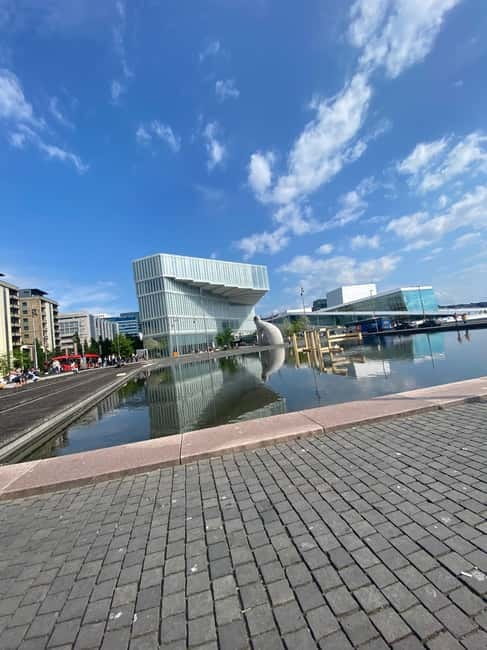
Oslo Opera House, the photo stop that feels like a viewpoint
You usually get a 20-minute Opera House stop that can include sightseeing and time for sunset photos. This is not just a building. It is a place where Oslo’s weather and light matter, because the area around the Opera House is all about skyline angles and that waterfront openness. Even if you do not go inside, the setting makes it an easy early win for your camera roll.
Munch Museum area, passing by for location context
Next up, you often pass by the Munch Museum zone with a short sightseeing moment. You are not likely doing a full museum visit in this time window, but it helps you anchor where the art institutions sit in the larger city flow. It is useful if you want to decide later whether you want a separate museum ticket.
Grønland and local markets, a quick taste of everyday Oslo
The route frequently includes a stop in Grønland, with walking time and a food market moment. Even in a short window, the purpose is to show you how different Oslo feels when you are not near the main monument corridor. You will likely notice multicultural everyday life, courtyards, independent shops, and a practical side to the city’s food scene.
One thing to consider: market moments take time if you want to browse. If you are running tight, tell your guide early how much shopping you want.
Grünerløkka, the neighborhood that rewards slow steps
Then you move toward Grünerløkka with about 30 minutes for visiting and sightseeing. This is where Oslo can feel creative and relaxed, with street art, café culture, and food-hall type energy. The walking time is your chance to spot details that buses never show you: the smaller lanes, the street-level art, the way people use outdoor spaces.
If you love people-watching, this is a good stop to aim for. If you hate crowds, go in with a plan: pick one or two streets to focus on, then move on.
Oslo Cathedral, a short visit with a big sense of place
In most classic routes, Oslo Cathedral gets a quick visit or pass-by moment. It is a strong landmark because it anchors the city’s older layers while you are still walking through modern Oslo. Even if you only spend a short time here, it helps you understand why the central area feels both civic and personal.
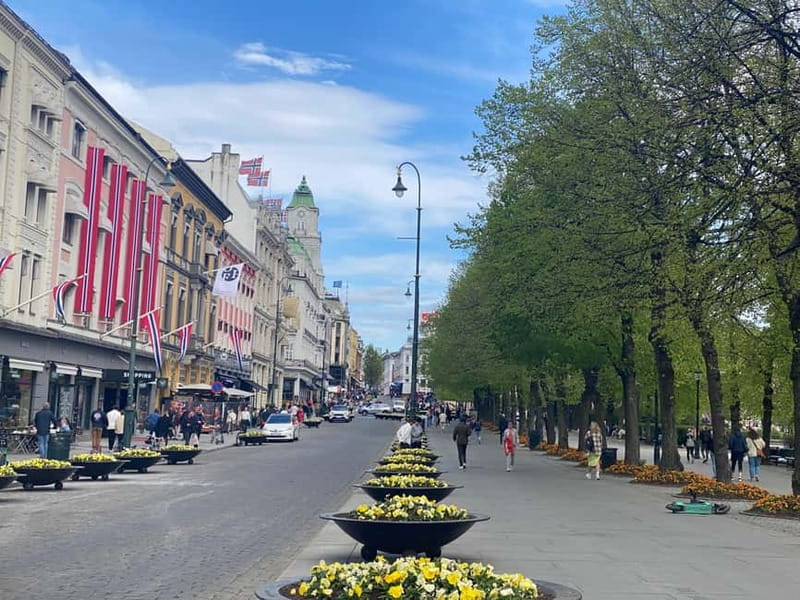
Karl Johans Street break time, where you reset
You get a break time at Karl Johans Street, with a quick photo stop and some shopping time (about 10 minutes). This is a practical breather. Use it to buy water, check your map, or step into a street-corner café. Since the tour is private, you can ask for a recommendation close by for a next stop.
Royal Palace and the surrounding civic geometry
The Royal Palace stop is often photo and pass-by sightseeing for about 20 minutes. The value here is not only the palace itself, it is the straight lines and open sightlines that make Oslo’s city planning easy to understand on foot.
Aker Brygge, waterfront architecture and easy photo time
Next, Aker Brygge appears with photo and pass-by time (about 20 minutes). This is where historic charm and modern Scandinavian design show up side by side. The waterfront makes it easy to capture wide city views, and it is a natural spot to pause because you can feel the wind off the water.
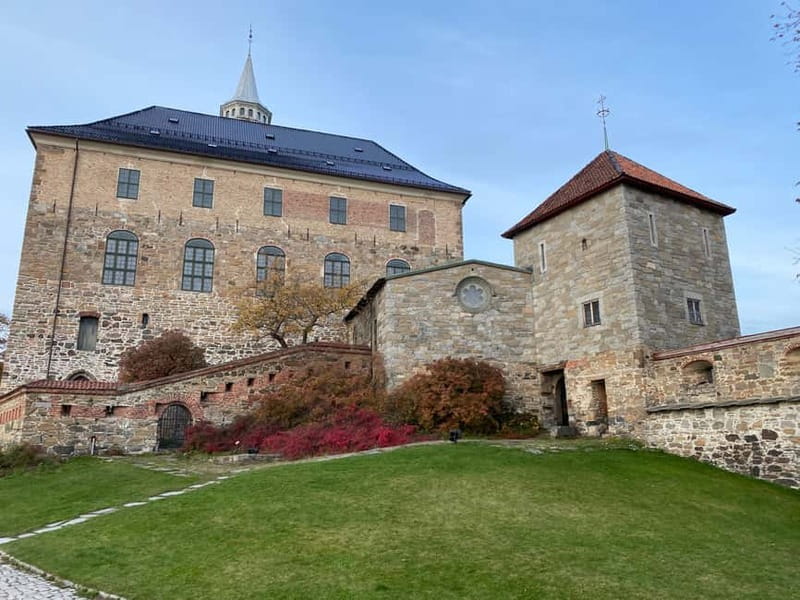
Akershus Fortress and the end-of-walk viewpoint moment
The tour commonly finishes with Akershus Fortress for about 25 minutes, with photo time and the option to see sunset views. The fortress area also ties into Oslo’s broader story, including resistance themes through the Resistance Museum in that zone. Even if you do not go deep into interior spaces, the walk up to the fortress gives you a strong sense of elevation and coastal framing.
Oslofjord, the last photo before you head out
You often get a final Oslofjord photo stop or pass-by, with a short sightseeing window. It is a good closer because it returns you to the water, which is a thread running through Oslo’s identity from opera to fortress.
Grünerløkka and Grønland, where the city feels lived-in
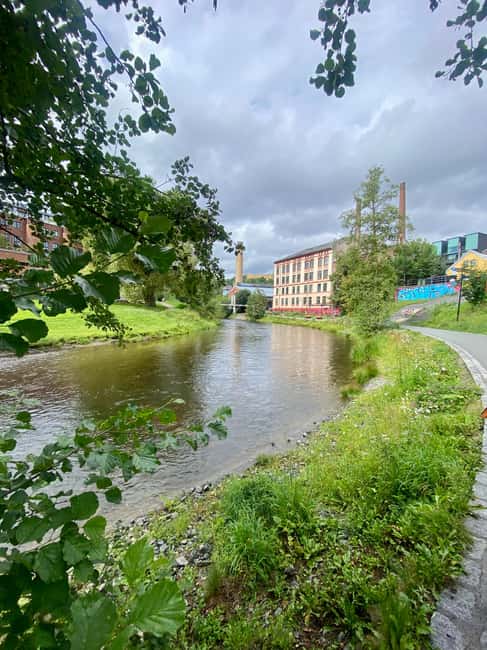
If you choose the Insider route or if your guide adds extra neighborhood time, the payoff comes from how Oslo feels at street level.
Grünerløkka: cafés, street art, and creative momentum
Grünerløkka is described as creative and bohemian, with street art plus cozy café culture. You also get a connection to food halls and local breweries, and stops in nearby areas can help you understand the neighborhood grid. In practice, this works well if you want a day that feels modern, casual, and photo-friendly without being stuck in one big attraction line.
Grønland and Brugata: multicultural streets with markets
Around Grønland and Brugata, the focus is on multicultural communities and everyday life. Hidden courtyards and independent shops show up, along with local fruit and vegetable markets. This is not about architecture for architecture’s sake. It is about seeing how people buy food, meet friends, and move through their day.
The smart move is to treat this section as a chance to ask your guide what to do next. A walking tour like this typically includes insider tips for cafés, restaurants, museums, and what to do after the walk. Ask for one or two places that fit what you liked today, not a long list.
A waterfront and fortress finale that works even when the weather changes
If Oslo’s weather is doing its own thing, you still can have a good day. That is because the route naturally mixes indoor-lite moments (short cathedral and palace stops) with outdoors photo time near water.
At Aker Brygge, you get views that hold up even under gray skies. At Akershus Fortress, you get high-ground framing for the fjord, and that is the kind of scenery that still looks good even when clouds roll in.
One practical advantage of a private guide is the ability to slow down where it matters. If the rain hits, your guide can keep you moving without rushing. In feedback about Sibani Bimala’s approach, adaptation to heavy rain is specifically mentioned, including thoughtful communication for visitors with hearing differences. That kind of care is a real value, because it helps the tour stay comfortable instead of stressful.
Nature Escape: Akerselva for quick calm, Lillomarka for a bigger breath
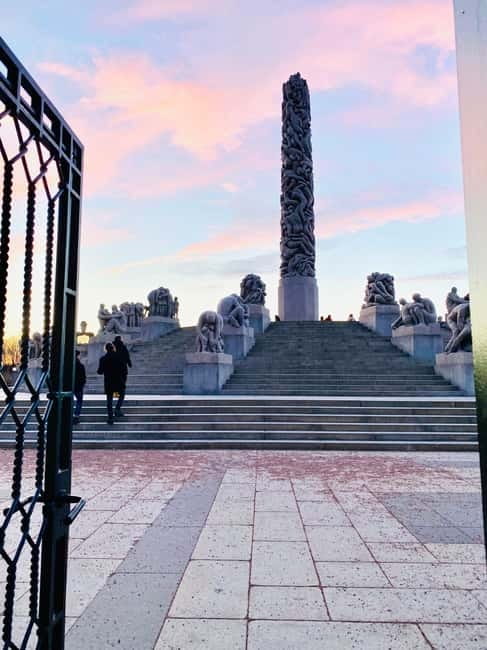
Nature is an option here, not an afterthought. You can go for the urban-green version, or the more serious hike style.
Akerselva River walk, waterfalls and industrial history
The Akerselva section is described as peaceful, with waterfalls and historic industrial buildings, plus quiet nature paths in the middle of the city. What makes this pairing smart is that it connects Oslo’s nature side to the city’s industrial past, so you are not just walking in the woods. You are learning why the city looks the way it does.
Lillomarka forest hike, viewpoint rewards and seasonal touches
For Lillomarka, you get a hike toward Glassberget viewpoint, plus chances for berry and mushroom picking from July to October. The plan can include Isdammen lake and the historic Årvoll Gård farm.
This route is the best fit if you like photography, calm walking, and a clear break from street noise. It is also a good choice when you want nature without going far outside Oslo’s core.
What’s included, what costs extra, and why the $67 feels fair
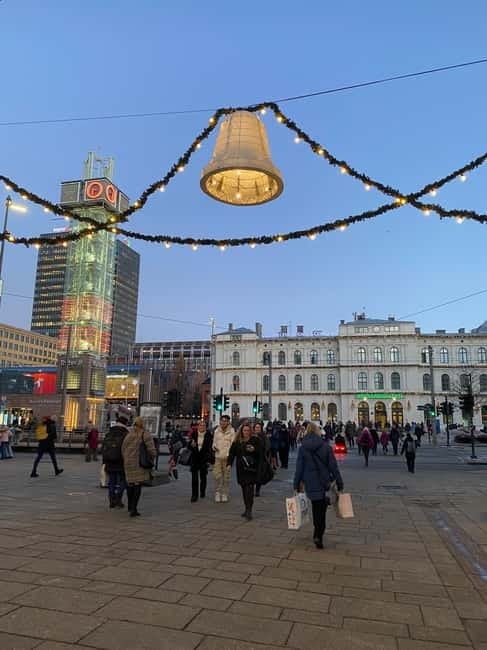
Here is the honest value picture.
You pay $67 per person for a private English-speaking guide, and you get either hotel pickup within the city center pickup area or a standard meeting point. You also get route flexibility and a guide focused on local stories and practical recommendations.
What is not included:
- entry fees to attractions
- food and drinks
- transportation
This matters because Oslo’s top sights often come with separate ticket prices. If you want museum entry or a specific attraction ticket, budget extra. Also, because food is not included, you should plan to stop for snacks or lunch on your own or use your guide’s suggestions to choose something that fits your pace.
One more important expectation-setting point: this is a city walk and neighborhood storytelling experience, not a deep historical lecture. If you want detailed timelines and an academic approach, you may need a different type of tour. If you want context that makes your walks click, this format usually delivers.
Who should book this private Oslo walking tour, and who should not

Book this if you:
- are in Oslo for a short time and want a clear orientation
- prefer a private guide who can adjust to your interests and pace
- want a mix of landmarks and neighborhood life
- like practical tips on where to eat, plus what to do after the tour
- enjoy nature options without committing to a full day outside the city
Be cautious if you:
- need an option for mobility limits, since the tour is not suitable for people with mobility impairments
- are traveling with someone over 95 years, since it is noted as not suitable for that age range
- want a long, lecture-style deep history experience, because this tour is built around everyday stories and walking
Should you book Oslo Walk: Private Walking Tour?
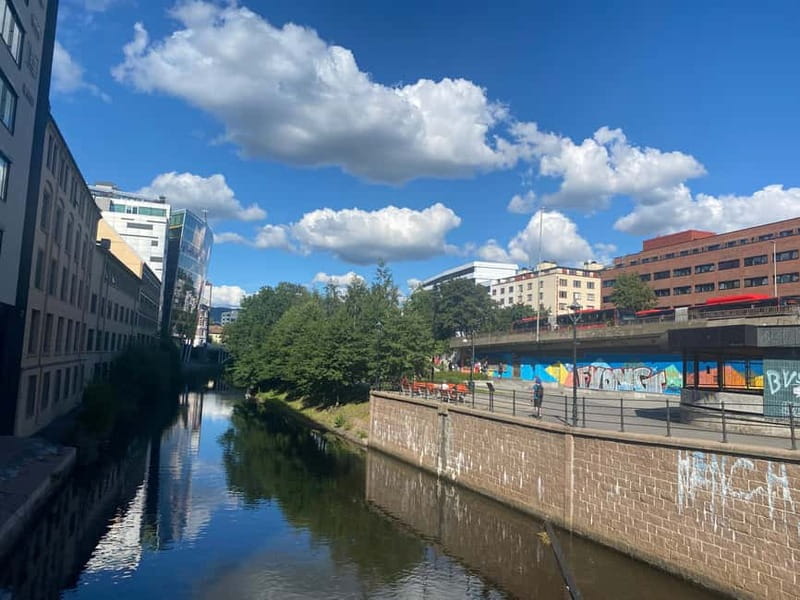
I would book it if you want Oslo to feel personal fast. The route choices let you match your day to your style, whether that is classic sights, neighborhood life in Grünerløkka and Grønland, or a nature breather along Akerselva or in Lillomarka.
I would skip it if you only want museum deep dives or if walking time is a problem for you. But for most first-timers and returning visitors who want a guide who can talk and adapt, this is a strong use of a half-day.
If you book, send a message with what you care about most, and ask your guide to steer you toward the version of Oslo you will actually remember.
FAQ
How long is the private Oslo walking tour?
The tour duration is listed as 2 to 3 hours.
Is this tour private?
Yes. It is a private group experience.
What language is the guide?
The live tour guide speaks English.
Where do we meet the guide?
Meeting point can vary by option. A standard meeting option is at Oslo Cathedral by the Iron Roses sculpture, about a 5 to 7 minute walk from Oslo Central Station.
Is hotel pickup available?
Yes, pickup is optional. The guide can meet you at your hotel within the city center pickup area or at the standard meeting point.
Are attraction entry fees included?
No. Entry fees to attractions are not included.
What is not included besides entry fees?
Food and drinks are not included, and transportation costs are also not included.
Between Waymarks
- Central Oslo Guided Walking Tour with Local Guide★ 4.5 · 278 reviews
- Oslo: Private Walking Tour with a Local★ 4.5 · 263 reviews
- Oslo: Snowy Forest Torchlight Walk with Campfire★ 4.6 · 254 reviews
- Oslo Grünerløkka Food & Culture Walking Tour★ 4.5 · 230 reviews
Newly marked on the map for Oslo
- Oslo Scavenger Hunt and Highlights Self Guided Audio Tour★ 4.5 · 6 reviews
- Oslo easy walk★ 5.0 · 7 reviews
- Oslo: Oslofjord Electric Boat Cookie Cruise★ 3.8 · 7 reviews
- Oslo City Walks: The City of Contrasts★ 3.4 · 7 reviews
- The Oslo Beer Adventure★ 1.9 · 7 reviews
- 7-Day Scenic Scandinavian Tour from Oslo exploring Denmark, Sweden and fjords in Norway★ 4.5 · 7 reviews
- Private Oslofjord Island Hopping Tour★ 4.5 · 8 reviews
- Free Oslo Photo Tour: Iconic & Instagrammable Spots★ 5.0 · 8 reviews
Guided Walks in Oslo, compared.
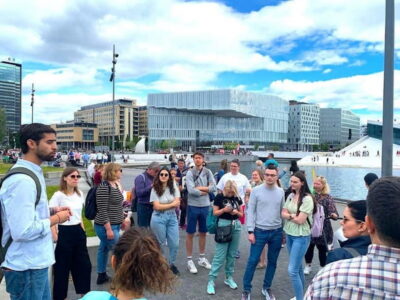
Guided Walking Tour of Central Oslo with Local Guide
Read our review →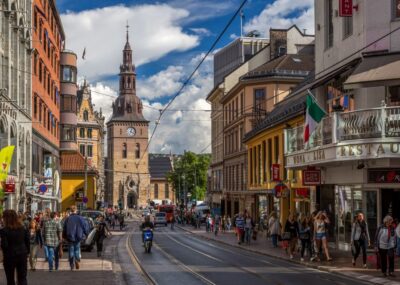
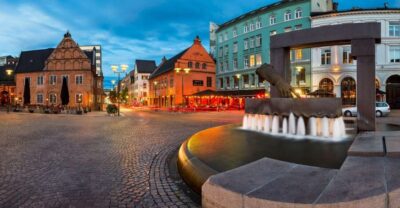


Central Oslo Guided Walking Tour with Local Guide
Read our review →

Browse the lists this tour appears in