
Reviewed · CITY TOURS IN OSLO
Oslo: City Sightseeing Hop-On Hop-Off Bus Tour
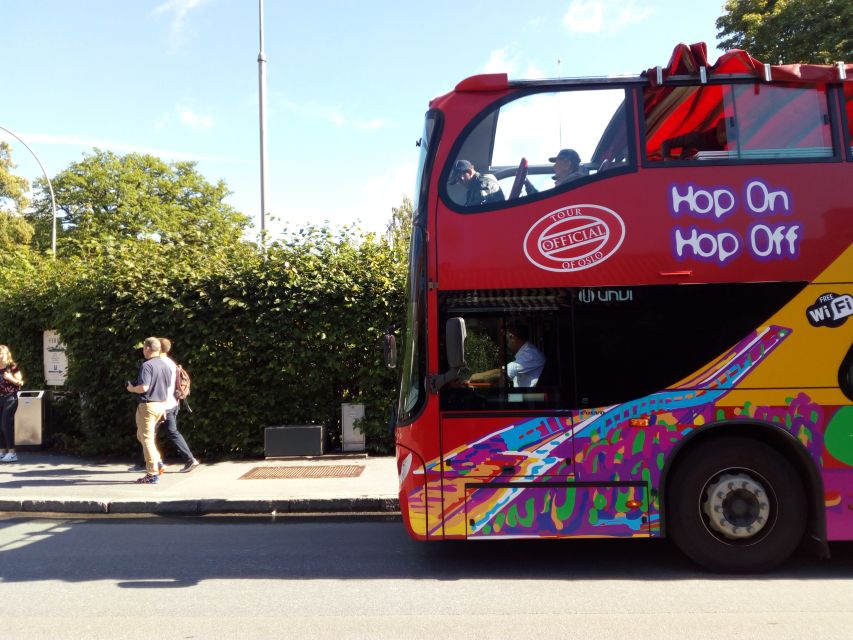
First, the big selling point is how fast you can clock Oslo from above. This open-top, double-decker loop gives you 360-degree city views, and the ride runs on eco-friendly electric buses with free Wi-Fi so you can stay connected between stops. I also like that the audio guide covers major sights and you can hop off at places like the Opera House and MUNCH Museum. One thing to plan for: if the headset jack or audio is glitchy, you can miss details, and some stops can feel a little easy to miss when you are busy getting on and off.
The overall feel is practical and time-saving. You get a flexible 24- or 48-hour ticket, so you can take this on a first day for orientation, then return the next day for the stops you actually care about. It is also a smart move for cruise days because several boarding points line up with terminals around the harbor, including cruise ship areas and ferry access points.
In This Review
- Key Points to Know Before You Ride
- Oslo Works Especially Well From a Hop-On Hop-Off Bus
- Electric Open-Top Comfort, Wi-Fi, and Audio That Keeps Moving
- Value Check: Making About $46 Count in Oslo
- The Route Loop: Nationaltheatret to Opera, Central Station, and Back
- Start at Nationaltheatret and Karl Johans Gate
- Majorstuen and Frogner Park: Good for Visual Orientation
- Norwegian Museum of Cultural History: A Strong Mid-Route Anchor
- Viking Ship Museum and the Maritime Cluster: One Museum Day, Many Options
- Cruise Terminal and Akershus Fortress Area: Easy When You Dock
- Oslo Opera House and MUNCH Museum: Waterfront Energy
- Oslo Central Station: Handy If You Pivot Plans
- Return to Nationaltheatret
- How to Use the 90-Minute Loop Like a Pro
- Best Seats and Headsets: Small Choices That Affect Your Views
- Who This Bus Tour Suits Best in Oslo
- Should You Book This Hop-On Hop-Off Bus in Oslo?
- FAQ
- How long is the Oslo hop-on hop-off bus tour?
- Does the ticket cover 24 hours or 48 hours?
- How often do the buses depart?
- Where is the first stop for boarding?
- What time is the first and last departure from the starting stop?
- What languages are included for the audio guide?
- Can I use a mobile voucher or do I need a printed ticket?
- What do I need to bring to board?
- Are pets and smoking allowed on the tour?
Key Points to Know Before You Ride
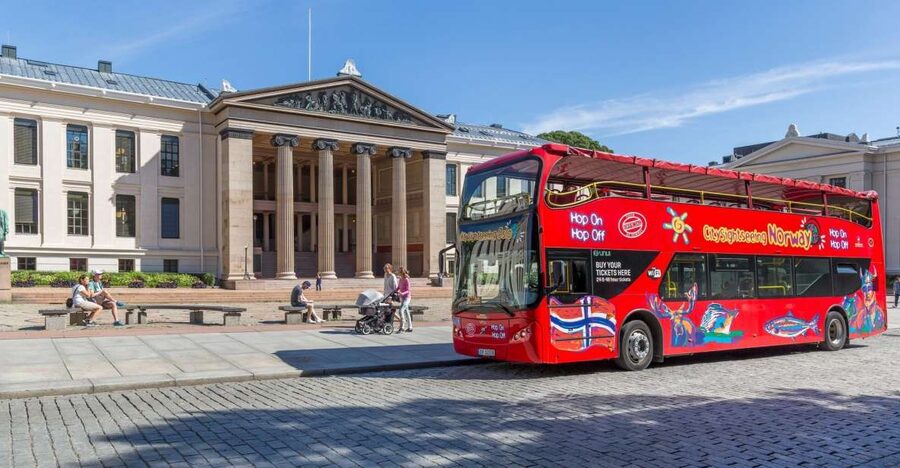
- Open-top 360-degree views from a double-decker for quick orientation across Oslo
- Electric buses plus free Wi-Fi, useful when weather changes fast
- 24 or 48 hours of hop-on hop-off freedom, not a single fixed excursion
- Frequent departures every 30 minutes, which helps when you are timing museum visits
- Many strong hop-off options near big-ticket sights like the Royal Palace, Vigeland Sculpture Park, and the Opera House
- Audio guide in 8 languages, with headphones and an option to use your own device
Oslo Works Especially Well From a Hop-On Hop-Off Bus
Oslo is spread out, and that can be a pain when your time is tight. This kind of route is built for that problem. You get to ride the main spine of the city, then choose where you actually want to spend time on foot.
I like the way the stops are spaced for real sightseeing flow. You can do a loop, then come back later for the museum you did not have time for. And because the service runs often, you do not feel locked into one “perfect” schedule.
Also, this is a good match for people who get hit with Oslo weather. When rain or wind moves in, staying on the upper deck can be less pleasant. The good news is you can simply ride through to the next stop instead of losing half a day waiting for conditions to improve.
Electric Open-Top Comfort, Wi-Fi, and Audio That Keeps Moving
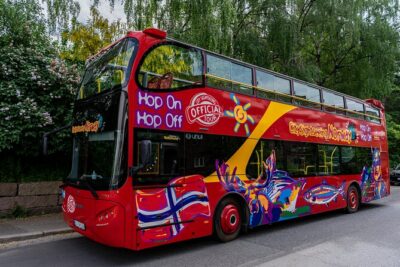
This tour is specifically an open-top experience. From up top, you get the kind of panoramas that are hard to recreate with any other single activity on a tight itinerary. Since the bus is a double-decker, you naturally spread out your view without needing to search for a specific viewpoint first.
The buses run on electric power, which keeps the ride feeling smoother and modern. Add free Wi-Fi on board, and it becomes easier to check times for attractions you plan to visit during your off-bus hours.
The commentary setup is a big part of why this works as an “intro day” tour. The audio guide is in 8 languages: English, Spanish, French, German, Italian, Dutch, Chinese, and Japanese. You get headphones as part of the experience, and there is also an audio guide option available on your own device.
One practical note from real-world experience: if a headset jack or audio port does not work right, you should be ready to switch seats or request a different connection at the start of the ride. Do not assume it will fix itself mid-route. And if sound is hard to hear, keep the volume up and try to position yourself closer to the headphone connection.
More City Tours in Oslo



Value Check: Making About $46 Count in Oslo

At around $46 per person, this is not a “cheap and cheerful” city bus ride. But the ticket is built to become value through time and flexibility.
Here is the math that matters: you are not buying a single 90-minute overview and done. Your pass is valid for a full 24 or 48 hours, and you can hop off and back on as you please within that window. Since the route revisits major areas and departures are frequent, you can shape the day around your energy, not around a fixed tour clock.
This also matters in Oslo because the top attractions are spread across different neighborhoods and areas along the harbor side and central core. A bus that stops close to multiple big names reduces the amount of backtracking you would do with taxis or multiple transit hops.
If you are traveling with a mix of interests, the flexibility is what makes it worth it. You can spend time at the Royal Palace area if you want state and architecture, then switch to museum stops like the Viking Ship Museum and the Kon-Tiki and FRAM cluster if you want history.
The Route Loop: Nationaltheatret to Opera, Central Station, and Back
The main starting point is Nationaltheatret on Karl Johans Gate. The first departure from Stop 1 is at 10am, and the last departure from Stop 1 is at 4pm. The ride itself is a 90-minute loop, with buses running about every 30 minutes, so you can jump in, get your bearings, and come back later without stressing too much.
Instead of treating the stops like a checklist, I like thinking in zones. Oslo’s route connects central, museum districts, and the waterfront and harbor areas, so you can mix-and-match.
Start at Nationaltheatret and Karl Johans Gate
Boarding here is convenient because it is a clear, central anchor. It is also where the route references the National Theatre and the Karl Johans Gate corridor, which is useful if you want to walk in the city center before or after your bus loop.
If you care about seeing the city efficiently, start at the first stop. You are more likely to find a seat, and sitting up top early makes it easier to take in the full sweep of the route.
Where the path branches next in Oslo
- Oslo: Oslo Fjord Sightseeing Cruise by Sailing Ship
★ 4.5 · 5,790 reviews - Oslo: Scenic Fjord Cruise with Audio Guide Commentary
★ 4.5 · 5,375 reviews - Oslo Nature Walks: Island Hopping Tour
★ 4.8 · 2,713 reviews - Oslo: 24 or 48-Hour Hop-On Hop-Off Sightseeing Bus GrayLine
★ 4.0 · 2,088 reviews
Majorstuen and Frogner Park: Good for Visual Orientation
The route passes by Majorstuen and Frogner Park. Even if you do not hop off there, the bus ride gives you a fast way to understand where those areas sit relative to the rest of Oslo.
If you want to turn this pass-by into a walking break, Frogner Park pairs well with the Vigeland Sculpture Park stop that is offered along the route. This is one of those “get outside and stretch” moves that fits well between museum visits.
Norwegian Museum of Cultural History: A Strong Mid-Route Anchor
The route includes a stop at the Norwegian Museum of Cultural History. I like this stop because it gives you a more grounded “what is Oslo about” moment during the day, rather than only chasing individual attractions.
The bus also revisits this area more than once on the loop pattern. That helps if you decide you want more time there after you see the rest of the city. It is the kind of stop that can work as a half-day plan or a quick visit depending on what else you have lined up.
Viking Ship Museum and the Maritime Cluster: One Museum Day, Many Options
The stop list includes the Viking Ship Museum and the Norwegian Maritime Museum, and it also names the Kon-Tiki Museum and the FRAM Polar Ship Museum along with the maritime museum in the same broader cluster.
Even without diving deep into each museum, the big win is logistics. You are not forced to choose between them based on transit difficulty. By grouping them along the route, the bus makes it easier to focus, then hop directly back on if you run ahead of your own schedule.
Practical tip: if you want to see one big museum deeply, plan to hop off there first and allow time to browse. If you want “several quick hits,” choose one stop to start, then use the bus loop to reposition and pick a second museum afterward.
Cruise Terminal and Akershus Fortress Area: Easy When You Dock
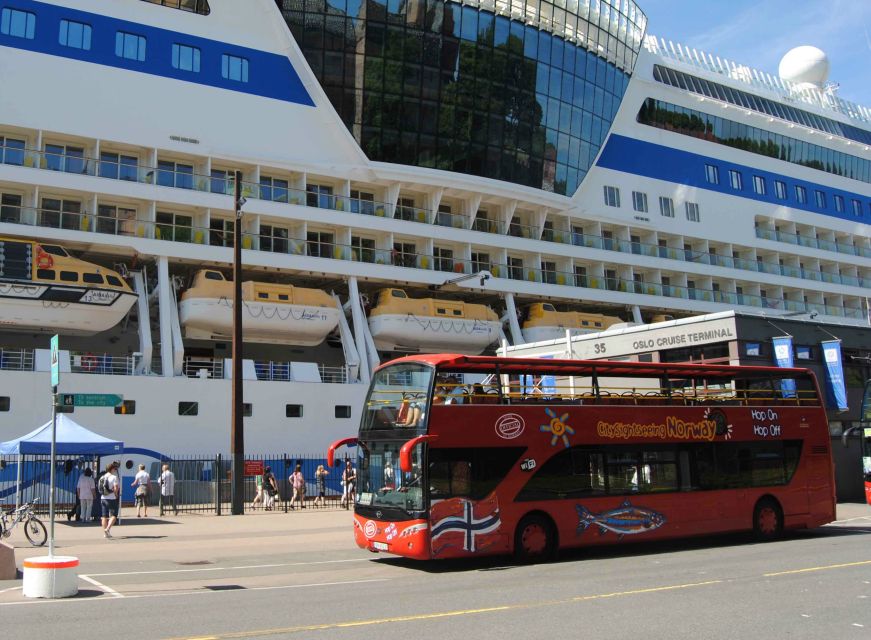
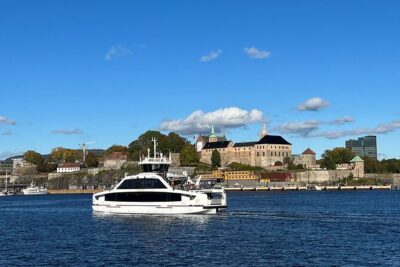
The route includes a stop at the Oslo Cruise Ship Terminal and also references the Akershus Fortress area. There are also specific terminal stops listed for cruise and harbor connections, including the Color Line Terminal Hjortnes and Filipstad Cruise Terminal.
If you are arriving by ship, this is where the tour becomes a practical lifesaver. Instead of guessing how to get into the city quickly, you start from a place designed for visitors already in the harbor zone. This is one of the reasons the ticket is labeled as ideal for cruise passengers.
Oslo Opera House and MUNCH Museum: Waterfront Energy
The route includes Oslo Opera House and the MUNCH Museum. This is a popular area for walking breaks, and it is a natural place to pair sightseeing with a meal stop on your own time.
The bus also connects here with the rest of the city route, so if you get off near the Opera House and MUNCH Museum area, you can keep your day flexible. You do not have to commit to a single long block of time.
Oslo Central Station: Handy If You Pivot Plans
The route mentions Oslo Central Station on the loop. This helps if you need to reposition, grab transit, or simply reset your timing. It is also a comfort feature when you have “must-see” priorities but you do not know how long they will take.
From a traveler point of view, Central Station is one of those places that can save you when your day runs late.
Return to Nationaltheatret
At the end, you cycle back to the same central anchor. That makes it easier to plan dinner and regroup without needing extra planning for where the bus will end.
How to Use the 90-Minute Loop Like a Pro
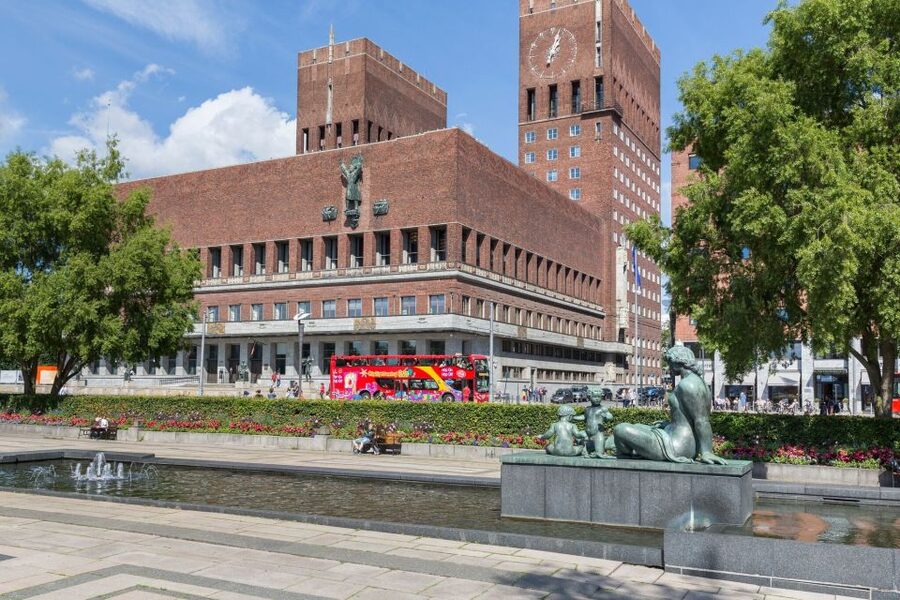
The loop is 90 minutes, and buses come about every 30 minutes. That combination is exactly why hop-on hop-off tickets work. You can do a full orientation loop, then treat the second round as a targeted visit to your favorites.
I recommend this approach:
- First pass: stay on the bus longer, watch the city, and mark the stops you want to revisit.
- Second pass: hop off earlier at your top pick, then use the frequent departures to stay in control of your time.
Also, keep an eye on the day window. Since the last departure from Stop 1 is at 4pm, you should not assume you can start late and still catch everything. If your day starts slow, focus on a tight set of stops and accept that the bus is your connector, not your whole itinerary.
If you only have 24 hours, you can still make this a meaningful first-day tour. Ride once, then plan one or two deeper museum stops. If you have 48 hours, you can spread it out and give the museums real room.
Best Seats and Headsets: Small Choices That Affect Your Views
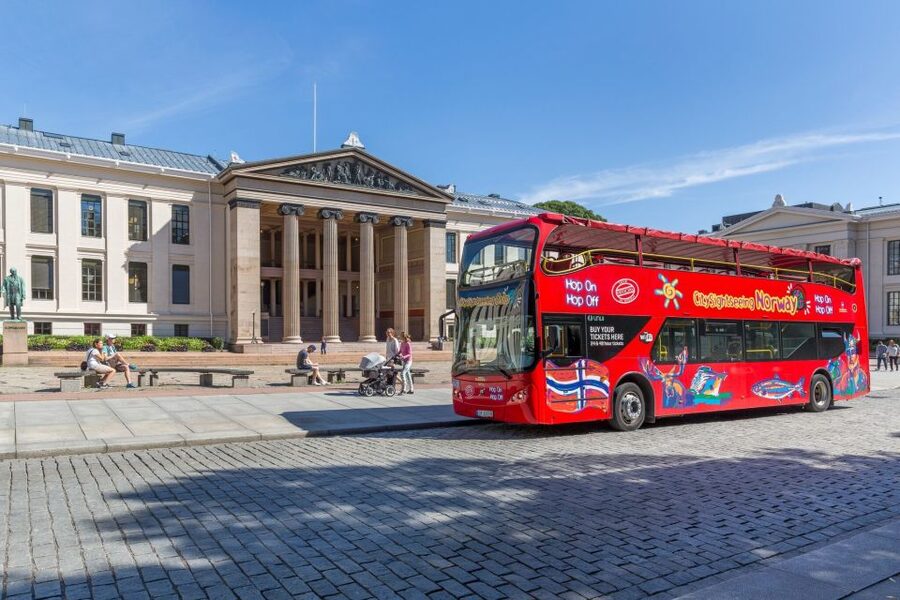
This is an upper-deck viewing experience, so your seat choices matter. In clear weather, the open deck is where you will want to be. In rougher weather, you might see upper-deck window panels or coverings. If your priority is clean views and photos, choose the side and seat setup that gives you the clearest sightlines.
For audio, headphones are included. The audio guide is offered in multiple languages, and it is also possible to use an audio guide on your own device. That gives you a backup plan if your headset connection acts up.
If the audio port is problematic on a specific bus, switch seats or ask about another connection early. The worst time to troubleshoot is when you are already halfway down the route and you cannot enjoy the information you paid for.
Who This Bus Tour Suits Best in Oslo
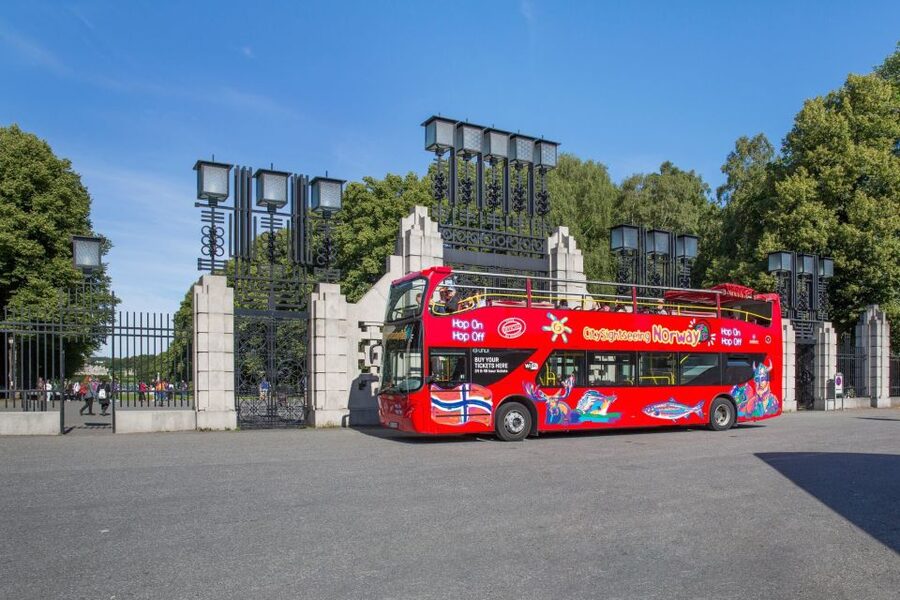
This tour is a strong fit for three types of trips.
First, it is ideal for first-time Oslo days. You get a wide sweep of neighborhoods and major attractions without needing to figure out transit between far-flung stops.
Second, it suits cruise schedules. Boarding points connected to cruise terminals help you avoid turning a short port stop into a transport headache.
Third, it fits travelers who want flexibility more than a fixed script. Since you can hop on and off during your 24 or 48 hours, you can tailor the day to weather, energy, and what you actually feel like doing once you arrive.
It is also good for groups with mixed interests. One person might want a palace stop, while someone else wants museum time. The bus keeps both happy because you can split up, then reconnect at later stops.
Should You Book This Hop-On Hop-Off Bus in Oslo?
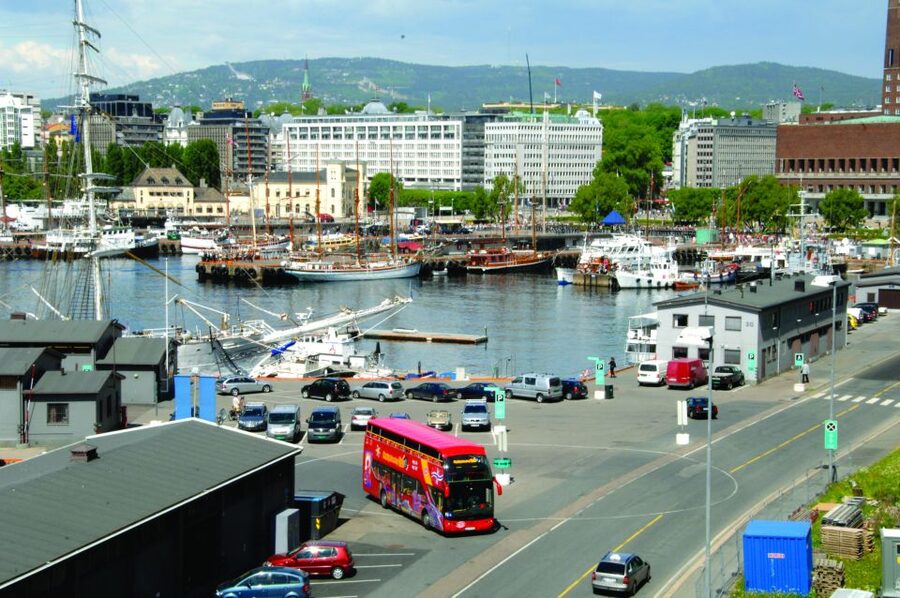
I think you should book it if you want a fast, flexible way to see Oslo’s big highlights without planning every single transit step. The 24- or 48-hour structure, frequent departures, and the mix of central sights plus harbor-area stops make it a smart foundation for your trip.
Skip it if you already have every neighborhood mapped out and you prefer to move by foot or train with minimal stops. Also consider your tolerance for onboard audio quirks. Most of the value comes from the commentary, so if you are the type who needs audio to work flawlessly, plan to troubleshoot quickly when you board.
If your goal is simple: get your bearings fast, reduce logistics stress, and still have real options to hop off at major places like the Opera House, MUNCH Museum, the Royal Palace area, and the Viking and maritime museums, this is an easy yes.
FAQ
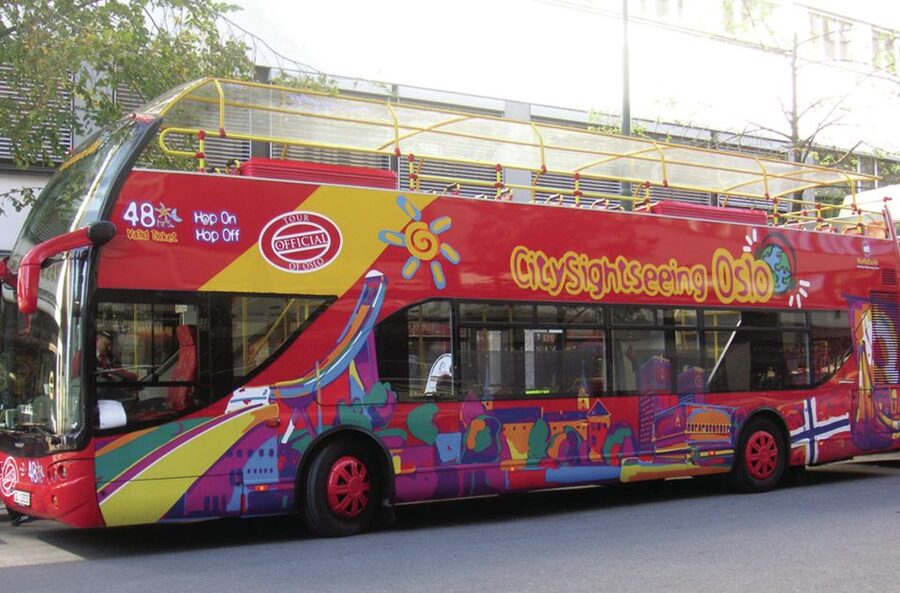
How long is the Oslo hop-on hop-off bus tour?
The tour duration is 90 minutes per loop.
Does the ticket cover 24 hours or 48 hours?
Yes. Your pass is valid for either 24 or 48 hours, depending on the option you choose.
How often do the buses depart?
Buses run every 30 minutes.
Where is the first stop for boarding?
The first bus stop is at Nationaltheatret on Karl Johans Gate.
What time is the first and last departure from the starting stop?
The first departure from Stop 1 is at 10am, and the last departure from Stop 1 is at 4pm.
What languages are included for the audio guide?
The audio guide is available in English, Spanish, French, German, Italian, Dutch, Chinese, and Japanese.
Can I use a mobile voucher or do I need a printed ticket?
Mobile and printed paper vouchers are both accepted, and vouchers can be redeemed at any of the stops along the route.
What do I need to bring to board?
Bring a passport or ID card.
Are pets and smoking allowed on the tour?
Pets are not allowed, and smoking is not allowed.
Newly marked on the map for Oslo
- Oslo Scavenger Hunt and Highlights Self Guided Audio Tour★ 4.5 · 6 reviews
- Oslo easy walk★ 5.0 · 7 reviews
- Oslo: Oslofjord Electric Boat Cookie Cruise★ 3.8 · 7 reviews
- Oslo City Walks: The City of Contrasts★ 3.4 · 7 reviews
- The Oslo Beer Adventure★ 1.9 · 7 reviews
- 7-Day Scenic Scandinavian Tour from Oslo exploring Denmark, Sweden and fjords in Norway★ 4.5 · 7 reviews
- Private Oslofjord Island Hopping Tour★ 4.5 · 8 reviews
- Free Oslo Photo Tour: Iconic & Instagrammable Spots★ 5.0 · 8 reviews
City Tours in Oslo, compared.

Grand City Sightseeing Tour by Bus with Fjord Cruise
Read our review →
Oslo Combo Tour: Grand City Tour and Oslo Fjord Cruise
Read our review →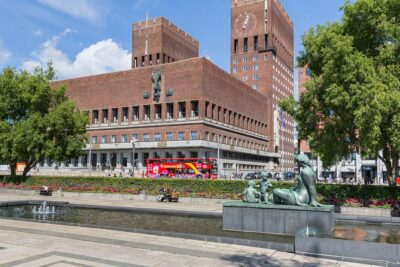


Oslo Shore Excursion: City Sightseeing Oslo Hop-On Hop-Off Bus Tour
Read our review →Browse the lists this tour appears in