
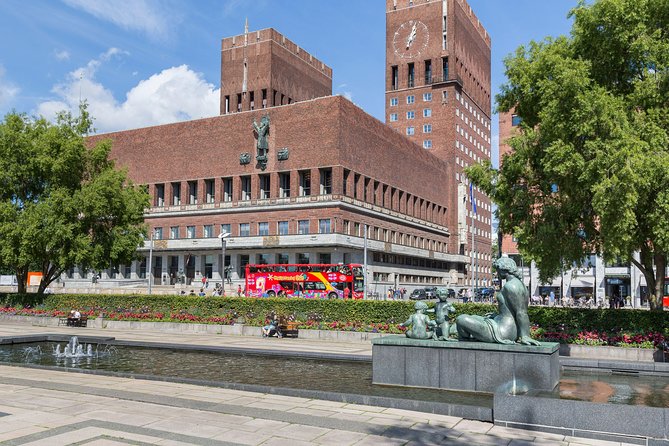
Reviewed · CITY TOURS IN OSLO
City Sightseeing Oslo Hop-On Hop-Off Bus Tour
Oslo on wheels beats guessing routes in the rain. This City Sightseeing hop-on hop-off is a simple way to sample Oslo’s big sights, with buses every 30 minutes and English audio with free headphones. One downside shows up in the feedback pattern too, the audio can be hard to hear or cut out, so have a backup like Maps ready.
The route takes about 90 minutes for a full loop, but the real perk is that your pass lets you hop off and back on again over 24 or 48 hours. That means you can spend real time at the museums that catch your eye, instead of sprinting between stops.
This is seasonal, usually running between June and October (it does not run on 17 May). Buses run from 10am to 4pm at the National Theatre stop, so if you are visiting outside summer, you may find it closed.
In This Review
- Key things to know before you ride
- The loop’s real job: get your bearings fast
- Price and value: does $46.60 make sense?
- Stop by stop: what each area is best for
- The National Theatre and Karl Johans Gate: your orientation hub
- Vigelandsparken and the Vigeland Museum area: sculptures that reward slow time
- Folkemuseet and Norwegian Museum of Cultural History: when you want context
- Bygdøynes: Kon-Tiki, FRAM, and the maritime museums
- Cruise terminals and the harbor zone: useful if you are arriving by ship
- Akershus Fortress: the dramatic harbor-side payoff
- Vippetangen and ferry connections: a smart option for flexible transport
- Langkaia and the Opera area: finish strong with modern Oslo
- Audio and headphones: the biggest swing factor
- Weather comfort: open-top vibes with real rain realities
- Frequency, timing, and the one thing that can break your day
- Who should book this hop-on hop-off, and who might skip it
- Should you book this Oslo hop-on hop-off bus?
- FAQ
- How long is the Oslo hop-on hop-off bus tour?
- Can I hop on and off more than once?
- What is included in the ticket price?
- Are museum entrance fees included?
- When does the tour operate?
- Where is the first departure stop, and what are the departure hours?
Key things to know before you ride
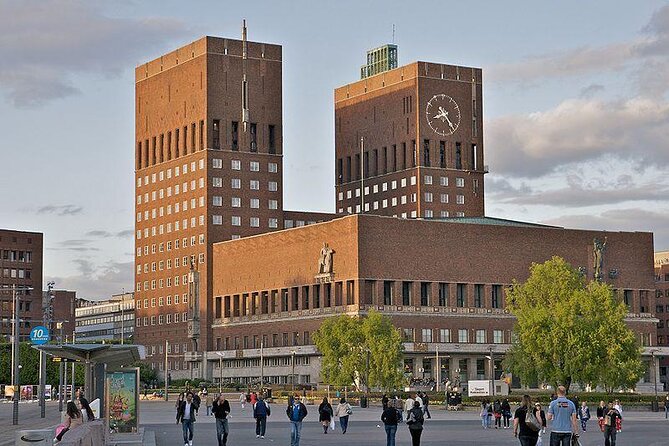
- Short loop, long flexibility: Do the basics in 90 minutes, then return to the stops you want to repeat during your 24 or 48-hour window.
- Most stops are set up for museum time: The route lines up with major sights like Vigeland, the Viking Ship area, and Bygdøynes museums, not just photo points.
- Audio is the selling point, so test it early: Some people report static, silence, or volume issues, so check your headset right at boarding.
- Good for cruise days and rainy afternoons: Multiple comments highlight convenience near cruise terminals and that the bus helps on bad-weather days.
- Bring your own listening solution if you can: There are two options for audio, in-seat modules or BYOD with adapters, and not every seat setup works perfectly.
The loop’s real job: get your bearings fast
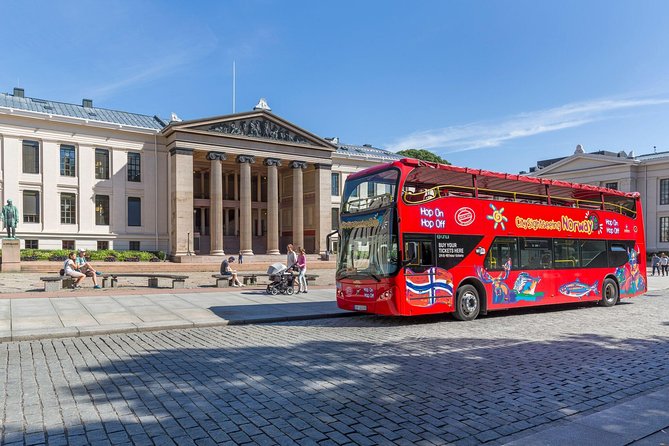
This hop-on hop-off tour is designed for one thing: helping you understand Oslo without spending hours planning. The buses run about every 30 minutes, so you are rarely stuck waiting long. In practice, that makes it easier to build a day around your energy level and the weather, especially with Oslo’s frequent changes.
The route is built around walkable chunks. It starts at the National Theatre on Karl Johans Gate, then moves outward to major attractions like Vigeland Sculpture Park and the Bygdøynes museum cluster. On a first visit, that matters because you get the big geographic map of the city in a single ride.
The pass length is also key to value. You do not just buy a one-time ride. You get a second chance to get it right, whether that means returning for better light, going back because the museum was worth more time, or hopping off later when crowds thin.
Price and value: does $46.60 make sense?
At $46.60 per person, this is not a bargain fare like a city bus ticket. You are paying for the convenience package: near-the-sights stops, audio commentary in 8 languages with free headphones, and the ability to hop off and back on as many times within 24 or 48 hours.
So when does it feel like good value?
If your day includes multiple sites that are spread out, the bus can save time and walking. Comments in the feedback often echo this idea: people liked how it covers many important points and helps them relax while still seeing a lot. The schedule also supports this. Buses come frequently enough that you can plan museum time without constantly re-checking transport.
It is less of a win if you already know Oslo well and you only need one or two stops. In that case, the bus may feel like you are paying for redundancy, especially because museum entry fees are not included. You will still need separate tickets for attractions.
More City Tours in Oslo



Stop by stop: what each area is best for
Below is how the route plays out as you move through Oslo, and what each cluster of stops really gives you.
The National Theatre and Karl Johans Gate: your orientation hub
The tour begins at Det juridiske fakultet (UIO) and the National Theatre, then ties into the The Royal Palace and Karl Johans Gate area. This is a smart starting point because Karl Johans Gate is one of the city’s main pedestrian axes. You can use the first ride as a living map, then decide what to walk later.
This part of town is also practical because you are close to a lot of the action. If the weather is gray, you can stay on the bus for the “first look” and then hop off later when you see where you want to spend time.
If you want a smooth day, do this early. Many of the rest of the route works best when you already know where the center is.
Vigelandsparken and the Vigeland Museum area: sculptures that reward slow time
The next stop area is Vigelandsparken, including Vigeland Sculpture Park and Oslo Museum. This is one of the easiest places to turn a bus ride into an actual experience. The outdoor sculptures mean you can enjoy the park even when you do not want to step into another museum.
The drawback is time. These parks are not a quick drive-by unless you only want photos. If you truly want to understand what you are looking at, plan at least a moderate stretch of time before returning to the bus.
Because it is open-air, rain can be a factor. The bus helps you get there and back comfortably, but you will still be walking on the park paths.
Where the path branches next in Oslo
- Oslo: Oslo Fjord Sightseeing Cruise by Sailing Ship
★ 4.5 · 5,790 reviews - Oslo: Scenic Fjord Cruise with Audio Guide Commentary
★ 4.5 · 5,375 reviews - Oslo Nature Walks: Island Hopping Tour
★ 4.8 · 2,713 reviews - Oslo: 24 or 48-Hour Hop-On Hop-Off Sightseeing Bus GrayLine
★ 4.0 · 2,088 reviews
Folkemuseet and Norwegian Museum of Cultural History: when you want context
Your route includes Folkemuseet, which corresponds to the Norwegian Museum of Cultural History, and it appears more than once on the itinerary. That repetition can be useful if you want to check your timing and avoid rushing.
This stop is for you if you like cultural background over only headline sights. It is also a good choice if you want a more hands-on day than just looking at city views from the bus.
The main consideration is that museum experiences can eat into your day. Since you are paying for a flexible pass, it makes sense to treat Folkemuseet as a “real hop-off,” not a five-minute stop.
Bygdøynes: Kon-Tiki, FRAM, and the maritime museums
Bygdøynes is where the tour really shifts from city sightseeing into story-based museums. This stop area includes Kon-Tiki Museum, FRAM, and the Norwegian Maritime Museum.
This is the kind of stop where you may want more than one visit. Some museum collections are dense, and you may not catch everything on a quick window. The good part is you do have options because the pass lets you hop on and back off later.
Also, this cluster is a big reason the hop-on hop-off format works. These attractions are close enough to group but far enough from the city center that you benefit from the bus loop.
Plan for extra time if the weather is good. If it is pouring, you can still use the museums to structure your day indoors.
Cruise terminals and the harbor zone: useful if you are arriving by ship
The route includes multiple harbor-related stops, including Hjortnes near the Color Line Terminal, cruise gates for cruise terminals, and stops around the Oslo Cruise Terminal area.
This is one of the places where the tour can be especially convenient. Feedback includes praise for meeting at cruise port and making the transition into the city easier. If you are on a tight cruise timetable, that matters.
This is also where you should be realistic. Some comments mention that at busy times, buses may skip stops or seats can be limited. If you are trying to keep a strict plan, arrive a few minutes early at your chosen stop and be ready to adjust.
Akershus Fortress: the dramatic harbor-side payoff
Near the Oslo Cruise Terminal, you also get Akershus Fortress. If you want that “fortress” feel without hunting it down, this stop is a clean way to do it.
It is also a good contrast to the museum-heavy Bygdøynes area. Fortresses are often best when you can take your time walking around and catching views over the water.
If your schedule is tight, use this stop as a quick photo and then decide if you want the deeper walk.
Vippetangen and ferry connections: a smart option for flexible transport
There is a stop at Vippetangen, tied to the Oslo Ferry Port and DFDS Go Nordic. This can be useful if you want to consider ferry options as part of your day.
Even if you do not use the ferry, it helps you understand where the sea routes sit relative to the city. When you are moving around a harbor city, that clarity reduces stress.
Langkaia and the Opera area: finish strong with modern Oslo
The route includes Narvesen Havnelageret, Langkaia, and then Operagata 4 for the Opera House and MUNCH Museum.
This ending stretch often works well because it puts you back in a very photogenic, city-forward zone. It also gives you a second chance to switch gears, from older historical sights and maritime stories into modern architecture and contemporary culture.
If you want to keep the day flowing, treat this as your final “hop off and wander” section. The bus can then take you back to the center area near where you started.
Audio and headphones: the biggest swing factor
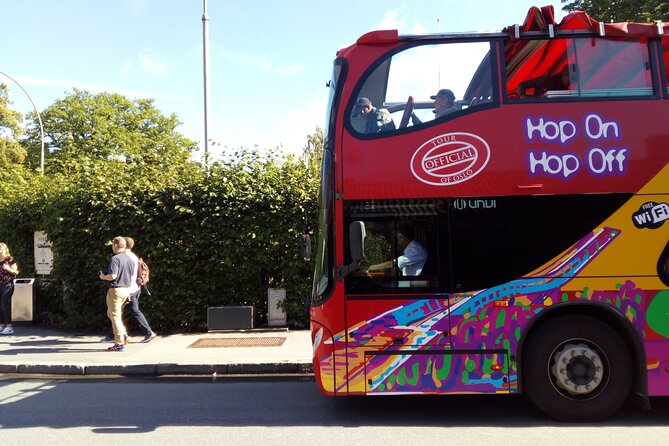
Audio commentary is one of the headline inclusions, with free headphones and guidance for two listening options. You can either use in-seat modules or bring your own device, with adapters available onboard. That setup is great in theory, but the real-world experience depends on whether the sound system is working properly on your specific bus.
From the feedback pattern, audio is the area with the most complaints. Common problems include volume being too low, static, long gaps where narration stops, or the audio not matching what you are seeing. Some comments also mention confusion about language channels and that signage on the bus was not clear about which channel is which.
So here is your practical game plan:
- Test the sound the moment you sit down, not after you have traveled a few stops.
- If you are using BYOD, keep your headset connection simple and double-check it early.
- Have a map backup ready. Even great audio can fail, and you still want to know what stop you are at.
If you hate tech uncertainty, consider planning your day around the visual stops first, then treat audio as a helpful extra.
Weather comfort: open-top vibes with real rain realities
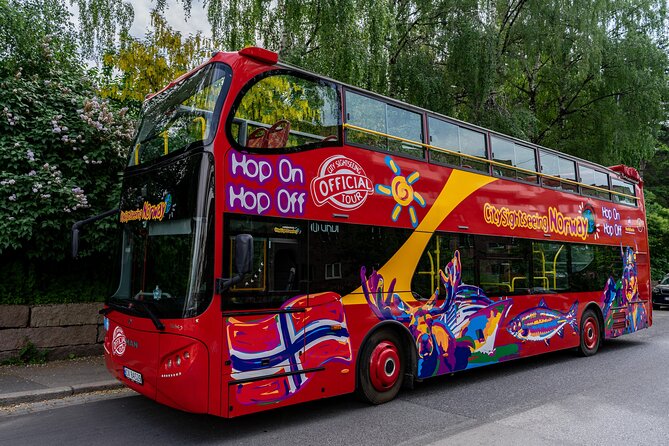
The buses are open-top double-deckers, but the service runs in all weather. On rainy days, that can mean covered upper seating, which is a big plus for comfort compared with walking the city between stops.
Still, some feedback mentions issues with rain covers or plastic blinds coming loose, and a few safety-related concerns tied to that equipment. If rain is heavy, choose your seat carefully. If you feel wind tugging at the top cover, move to a more sheltered spot.
Also, the bus keeps you dry during transit, but you will still get wet if you linger at stops. Dress for walking, not just riding.
Frequency, timing, and the one thing that can break your day

The bus frequency is every 30 minutes, and the tour runs from 10am to 4pm from the National Theatre stop. That structure is meant to make your planning easy.
Yet some comments point out timing problems, including buses departing early relative to the timetable, delays, and even buses skipping stops during busy periods. There are also a few reports of serious operational failures, including tours that did not run as expected.
This is the practical takeaway: use the hop-on hop-off bus as a flexible backbone, not as your only guarantee. Build in buffer time if you have a museum slot, a ferry departure, or a cruise all-aboard deadline.
Who should book this hop-on hop-off, and who might skip it
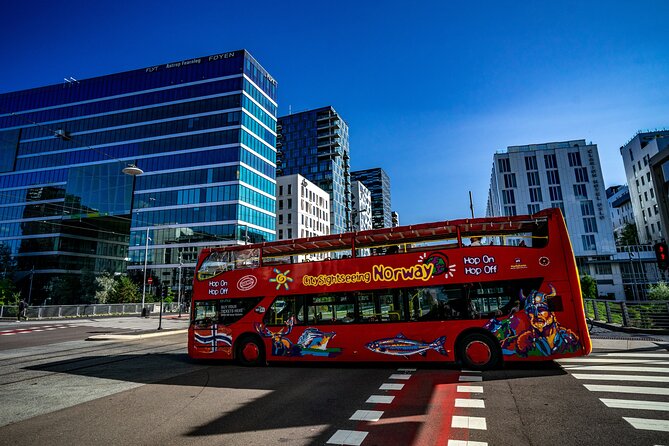
I think this tour is best for three types of visitors.
First, first-timers who want to see Oslo’s major zones without mental map work. The route does a good job connecting central Oslo with the park and museum areas.
Second, people who like museum hopping. The stops are aligned with major collections like the Kon-Tiki and maritime museums, plus the Norwegian Museum of Cultural History.
Third, cruise passengers and anyone with a limited day. The harbor-area coverage and the convenience near cruise terminals can turn a stressful day into a manageable one.
I would hesitate if you are extremely sensitive to audio issues or you rely on narration to understand what you are seeing. If you would rather control everything with your own guidebook or phone audio, you may prefer independent transport and direct museum tickets.
Should you book this Oslo hop-on hop-off bus?
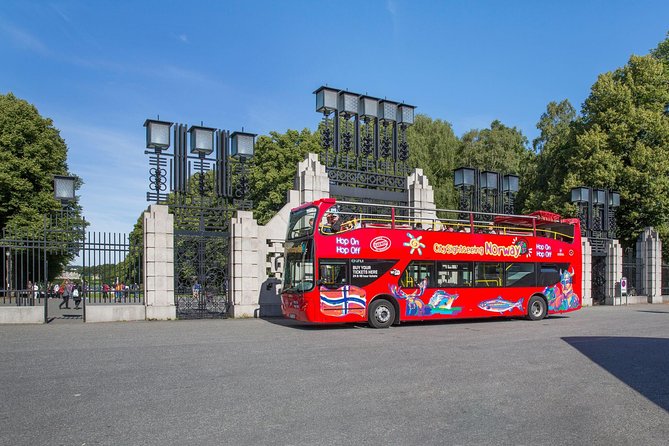
Book it if you want a stress-reducing overview and you plan to use the pass to return to at least a couple of stops. It is especially worth it when the weather is rough, because the bus keeps you moving while still letting you explore on your own time.
Pass on it if your priority is a smooth, scripted audio tour with zero surprises. In that case, you would be taking a gamble on equipment and clarity, and the feedback shows that this can vary by bus.
If you do book, do one thing that makes the biggest difference: check your audio right away, and keep a simple map backup. That way, even if the sound system stumbles, you still get your money’s worth from the city stops themselves.
FAQ
How long is the Oslo hop-on hop-off bus tour?
The tour duration is about 90 minutes for the loop, and buses run every 30 minutes.
Can I hop on and off more than once?
Yes. With a 24 or 48-hour hop-on hop-off pass, you can hop on and off at any stop as many times as you like within the selected time window.
What is included in the ticket price?
Your ticket includes the hop-on hop-off bus tour (24 or 48 hours), audio guide commentary in 8 languages with free headphones, stops near major sights, and free Wi-Fi onboard the buses.
Are museum entrance fees included?
No. Entrance fees for attractions are not included, so you will need to pay for visits separately.
When does the tour operate?
It is seasonal and typically runs between June and October. It does not run on 17 May each year.
Where is the first departure stop, and what are the departure hours?
The first departure from Stop 1 is at 10am, and the last departure from Stop 1 is at 4pm. The first stop is located at the National Theatre on Karl Johans Gate.
Newly marked on the map for Oslo
- Oslo Scavenger Hunt and Highlights Self Guided Audio Tour★ 4.5 · 6 reviews
- Oslo easy walk★ 5.0 · 7 reviews
- Oslo: Oslofjord Electric Boat Cookie Cruise★ 3.8 · 7 reviews
- Oslo City Walks: The City of Contrasts★ 3.4 · 7 reviews
- The Oslo Beer Adventure★ 1.9 · 7 reviews
- 7-Day Scenic Scandinavian Tour from Oslo exploring Denmark, Sweden and fjords in Norway★ 4.5 · 7 reviews
- Private Oslofjord Island Hopping Tour★ 4.5 · 8 reviews
- Free Oslo Photo Tour: Iconic & Instagrammable Spots★ 5.0 · 8 reviews
City Tours in Oslo, compared.

Grand City Sightseeing Tour by Bus with Fjord Cruise
Read our review →
Oslo Combo Tour: Grand City Tour and Oslo Fjord Cruise
Read our review →



Oslo Shore Excursion: City Sightseeing Oslo Hop-On Hop-Off Bus Tour
Read our review →Browse the lists this tour appears in