
Reviewed · GUIDED WALKS IN OSLO
Oslo: 3-hour Highlights & Vigeland Park Private Walking Tour
Oslo works best when you get a guided route, not when you wander cold and slow. This private highlights tour ties together the story of Norway and the city with photo stops at the Royal Palace, Akershus Fortress, and other big-name landmarks, then lands at Vigeland Park for the sculptures. I especially like how the guide keeps the pace efficient and how you get the context behind what you are seeing, not just the postcard view. The one drawback to plan for is the walking: some stretches are gravel or unpaved walkways, so you need solid shoes and a steady pace.
You are out for about 3 hours in total, with a public transport segment built in so you can cover ground without turning it into a full-day slog. Since it is a private group, it also tends to work well when you have a couple of questions or want small adjustments to your interests, like leaning more royal sights or more sculpture. If you are hoping for lots of museum time, this is more of a focused highlights route than a linger-around kind of day.
In This Review
- Key points at a glance
- From Alfred Nobel to the inner city, start strong at the Nobel Peace Center
- City Hall, the National Theatre, and the Royal Palace viewpoints that feel made for photos
- Karl Johans gate and Parliament: Oslo’s governing street in one walk
- Akershus Fortress and Bank Square: the harbour view that makes the city feel real
- A tram ride that turns distance into less effort
- Frogner Park and Vigeland: where the art feels made from the stone
- Monolith Plateau: 36 figures and the circle-of-life symbolism
- The Monolith totem: carved from a single block
- Price and value: what $518 per private group gets you
- What to wear and how to pace yourself so the walk feels good
- Who this private Oslo highlights tour is best for
- Should you book it?
- FAQ
- Where does the tour start?
- Where does the tour end?
- How long is the tour?
- Is this a private tour?
- What transportation is included?
- What will I see during the tour?
- Is entrance to Vigeland Park included?
- What language is the guide available in?
Key points at a glance

- Nobel Peace Center start: a strong opening point tied to Alfred Nobel’s story
- Inner-city landmarks in a tight route: City Hall, National Theatre, Royal Palace, Parliament
- Akershus Fortress with harbour views: one of the best reasons to walk the waterfront edges
- Tram ride included: about 30 minutes to connect you smoothly to Frogner Park
- Vigeland Park highlight circuit: Monolith Plateau and the Monolith totem, plus granite sculpture details
- Private format: great when it is just you, or your group wants a more tailored pace
From Alfred Nobel to the inner city, start strong at the Nobel Peace Center
The tour kicks off at the Nobel Peace Center outside the main entrance at Brynjulf Bulls plass 1. This is a smart start because it gives you a theme right away: Alfred Nobel and why his legacy matters in Oslo. Even if you have walked past this area before, a guide can help you see it as more than a building, you start noticing how the city frames its international story.
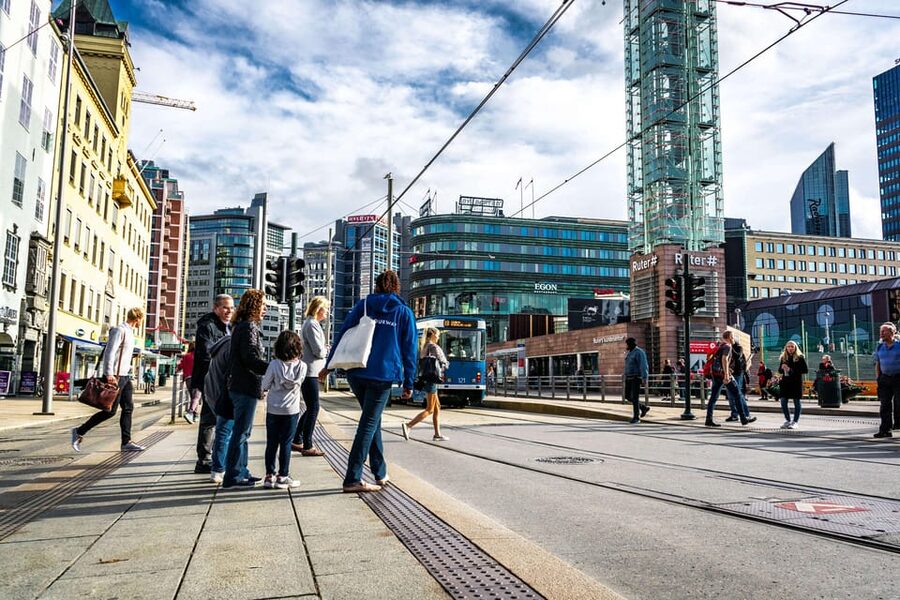
After that, you move into Sentrum, where the route is set up for maximum sight value in a short window. You will walk through the inner city while learning how Oslo’s identity formed and how its capital functions grew around key civic spaces. If you like knowing where you are standing, this part is especially useful because it turns streets into a timeline.
City Hall, the National Theatre, and the Royal Palace viewpoints that feel made for photos
Once you are in the core, you will hit the big architectural anchors. The Oslo City Hall comes first, and you will see it with the timing and framing that makes sense for a highlights tour. Next up is the Norwegian National Theatre, which matters because it is tied to Norwegian playwrights, so the building connects to the culture you will hear referenced across the city.
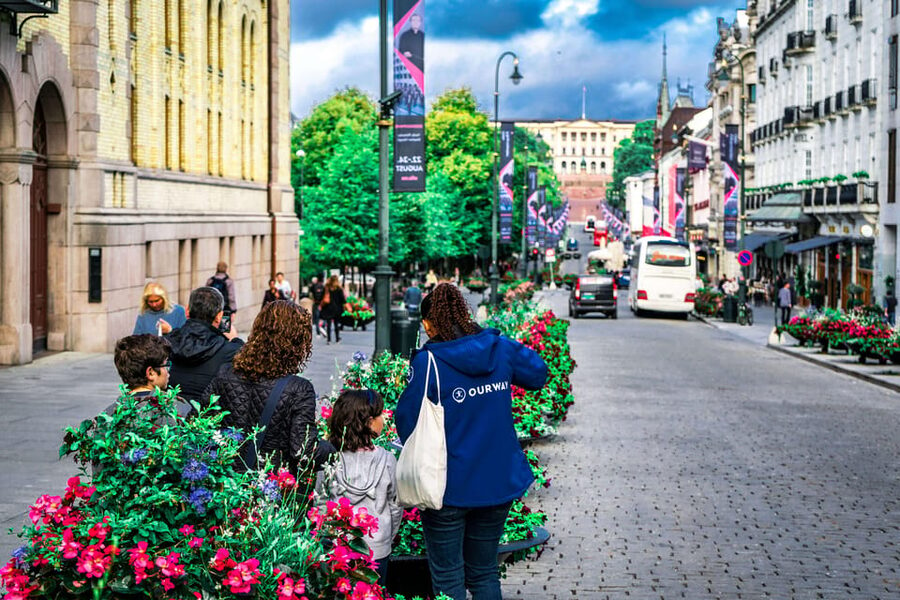
Then comes the Royal Palace. It sits on a hilltop overlooking the main pedestrian shopping street, Karl Johans gate, and that placement changes how you see the whole area. You get a sense of the geography, not just a glance. If you care about power and urban planning, it is a great moment, because you can literally see how the city’s movement funnels toward the palace side of things.
One thing I like here is that you are not rushed at each stop. You get enough time to orient your eyes, and the guide links each place to what it represents, so the highlights start clicking into place.
More Guided Walks in Oslo


Karl Johans gate and Parliament: Oslo’s governing street in one walk
Karl Johans gate is the kind of street you can feel in your legs, long enough to give you perspective, and important enough that it shapes the city’s daily rhythm. On this tour, you do not just pass it. You use it as a visual spine for the story of how Oslo is governed.
You also visit the Norwegian Parliament, which is a key stop because it anchors the civic side of the city. Parliament is not only about laws, it is about symbolism. Seeing it from the right angles while you are walking past the other civic buildings helps you understand why the city built and arranged these institutions where it did.
If you are traveling on limited time, this segment is a practical win. It covers a lot of the Oslo power core without you needing to plot it all on your phone map.
Akershus Fortress and Bank Square: the harbour view that makes the city feel real
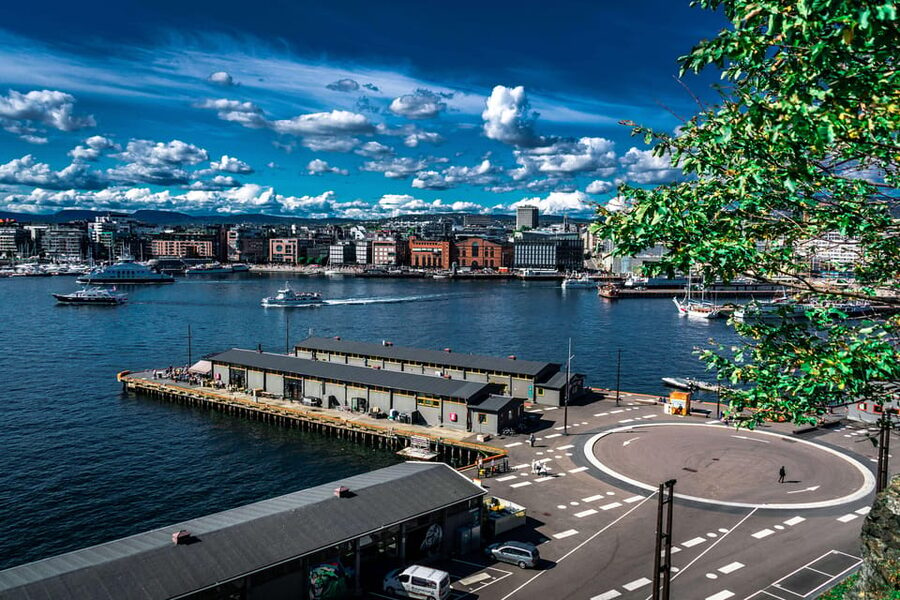
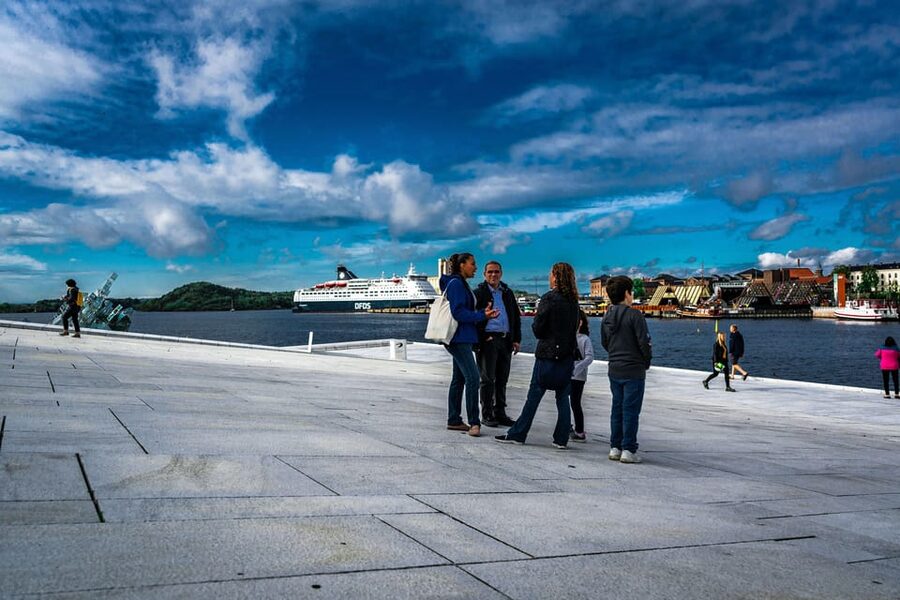
At Akershus Fortress, the big payoff is the harbour overlooking it. This is where Oslo stops being just buildings and turns into a working city with maritime edges. The fortress viewpoint helps you understand why strategic spots were built where they were, and it also shows how the harbour becomes part of Oslo’s identity.
From there you continue past areas like the Bank Square and Christiania Torv. These stops matter because they are part of how the city breathes at street level, even if you are mainly focused on major landmarks. You get a sense of where people move and gather, not only where the famous monuments are.
If the weather is clear, this area is especially worth taking a slow moment at. Even on a highlights route, the harbour air and open views help you reset before the next stretch.
A tram ride that turns distance into less effort
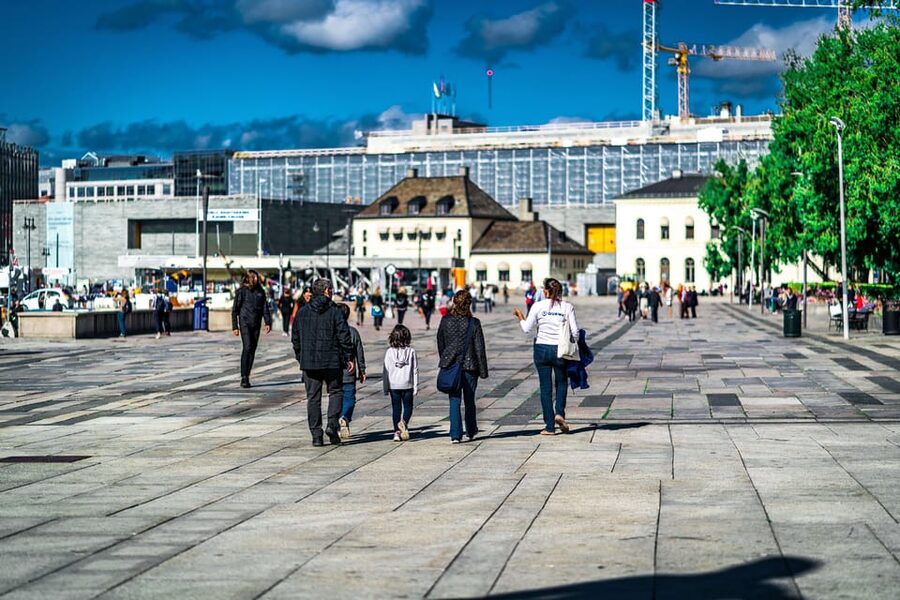
Halfway through, you get on public transport for about 30 minutes to reach Frogner Park. This is one of the most underrated benefits of a guided highlights tour. Instead of adding extra walking because you misjudged distance, you get the connection built in.
You are provided with a return ticket for public transportation, and the guide also provides the tickets. That means less scrambling. You can focus on the sights and the explanations instead of figuring out which line gets you where, especially helpful if you do not know the transit system.
Keep in mind that the tram segment still counts as part of your on-the-go time. If you tend to get cold easily, bring a layer. Oslo can shift its mood fast, and you will feel it more while moving.
More of Norway between waymarks, on foot:
- Taste of Oslo Walking Tour
★ 4.5 · 282 reviews - Central Oslo Guided Walking Tour with Local Guide
★ 4.5 · 278 reviews - Oslo: Private Walking Tour with a Local
★ 4.5 · 263 reviews - Oslo: Snowy Forest Torchlight Walk with Campfire
★ 4.6 · 254 reviews
Frogner Park and Vigeland: where the art feels made from the stone
Now for the reason many people book this kind of tour: Vigeland Sculpture Park. You enter Frogner Park and start the guided portion with the story of how one man built the world’s largest sculpture park. The guide connects the idea of a single vision to the sheer scale of what you are about to see, and it changes how you interpret the pieces. This is not just a walk through art, it is a walk through a creative obsession made physical.
You will also learn about material choices. Many of Gustav Vigeland’s works are crafted from local Iddefjord granite, and noticing that detail makes the sculptures feel grounded in place. You are not just looking at statues shipped in from elsewhere, you are seeing Oslo’s surrounding stone language turned into figures.
Monolith Plateau: 36 figures and the circle-of-life symbolism
One of the key stops is the Monolith Plateau, where 36 figures symbolize the circle of life. This arrangement is powerful because it gives you motion without actual movement. You can walk around and feel how the groupings suggest repetition and consequence at the same time.
This is also a spot where your guide’s pacing helps. If you rush, you miss how the figures relate. If you take a breath, you start seeing patterns.
The Monolith totem: carved from a single block
Next you will see the Monolith totem, carved from a single block of stone. That detail matters because it changes the sculpture from art objects to a physical feat. You begin to think about the labor and ambition, which makes the monument feel more human even while it is massive.
If you love craftsmanship, this stop is a highlight all by itself. It is one of those places where your camera will not tell the full story unless you stand back and let your eyes adjust to the scale.
Price and value: what $518 per private group gets you

The price is $518 per group, listed for up to 1 participant. Yes, that is a lot. But here is the value logic that makes sense for this tour format.
First, you are paying for a professional guide for about 3 hours, in a private setting. Second, you get public transport support via a return ticket, plus you have entrance to Vigeland Park included (the park entrance is free, but it is still part of the tour package). Third, the route is designed to pack together multiple major areas, which means you are buying time, not just knowledge.
If you are traveling alone and you want a guided route without the friction of planning each stop, this price can feel more reasonable. If you have a bigger group, the cost per person could drop compared with typical private pricing structures, but that depends on the exact group setup you book. Either way, the main decision is whether you want to pay to save planning and to get context at speed.
What to wear and how to pace yourself so the walk feels good
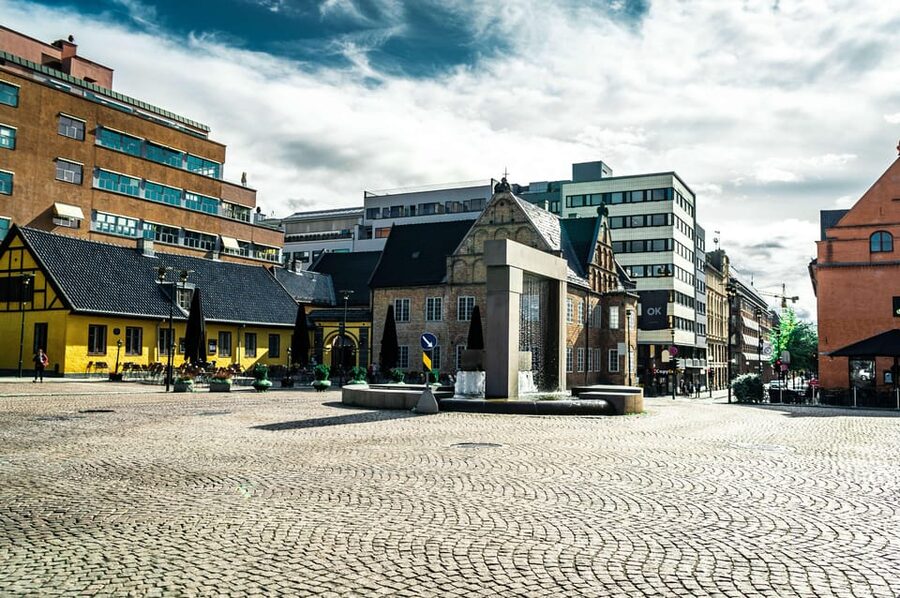
Bring comfortable shoes. Even though it is a “highlights” tour, you still cover real ground in a few hours, and the route includes areas with gravel or unpaved walkways. That is not the time for fragile sandals or slippery soles.
Dress for weather. Oslo can be cool and breezy, especially around open harbour areas and on tram rides. A simple layer system helps you adjust as the temperature changes.
The good news is that your tour ends at Vigeland Park, so you are not stuck racing to make a final connection. You can keep strolling afterward on your own pace.
Who this private Oslo highlights tour is best for
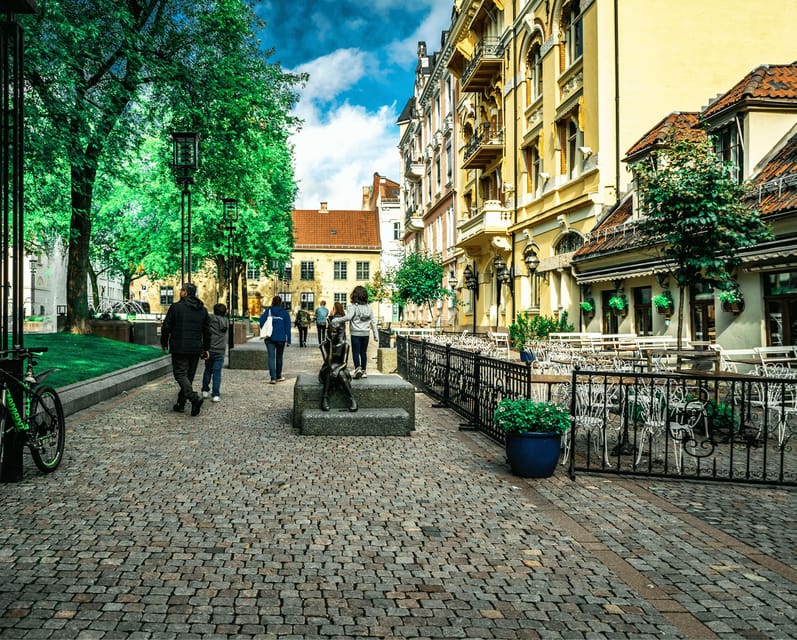
This tour is a great fit if you:
- want major Oslo sights in a short window
- like context, not just photos, especially around civic buildings and Nobel-related history
- prefer a private pace where your guide can answer questions and adapt to your interests
- are headed to Frogner Park anyway and want to see the most meaningful sculpture areas first
It is also ideal if you like structure. One review noted that the guide was organized and able to meet wishes, which matches the feel of this kind of route. Another highlighted how the guide spoke excellent English, answered questions well, and stayed personable, which is exactly what you want when you are trying to absorb a lot in a short time.
If you are the type who wants to linger for hours in one museum, you might find the pace a bit tight. For that style of trip, this tour is best as the primer day, not the only day.
Should you book it?
I would book this tour if your Oslo time is limited and you want to see the core landmarks plus the Vigeland Park sculptures without mapping stress. The private format is a real advantage, because it can turn a quick highlight day into a smoother, more question-friendly experience.
Skip it if you are chasing deep museum time or you have mobility constraints that make longer stretches of outdoor walking uncomfortable. Otherwise, it is a solid way to get your bearings fast, then let the city keep working on you after the tour ends at Vigeland Park.
FAQ
Where does the tour start?
The tour starts at the Nobel Peace Center, outside the entrance, located at Brynjulf Bulls plass 1.
Where does the tour end?
The tour ends at Frognerparken. You can continue enjoying the park after the guided part.
How long is the tour?
The total duration is 3 hours.
Is this a private tour?
Yes, it is a private group tour.
What transportation is included?
The tour includes a return ticket for public transportation, and there is a public transport segment during the experience. Tickets are provided by the guide.
What will I see during the tour?
You will see major inner city sights including Oslo City Hall, the Norwegian National Theatre, the Royal Palace, Karl Johans Street, the Norwegian Parliament, Akershus Fortress overlooking the Oslo harbour, plus Frogner Park and Vigeland Sculpture Park.
Is entrance to Vigeland Park included?
Yes. Entrance to Vigeland Park is included, and it is listed as free.
What language is the guide available in?
The live tour guide is available in English, Spanish, French, Italian, Norwegian, and German.
Newly marked on the map for Oslo
- Oslo Scavenger Hunt and Highlights Self Guided Audio Tour★ 4.5 · 6 reviews
- Oslo easy walk★ 5.0 · 7 reviews
- Oslo: Oslofjord Electric Boat Cookie Cruise★ 3.8 · 7 reviews
- Oslo City Walks: The City of Contrasts★ 3.4 · 7 reviews
- The Oslo Beer Adventure★ 1.9 · 7 reviews
- 7-Day Scenic Scandinavian Tour from Oslo exploring Denmark, Sweden and fjords in Norway★ 4.5 · 7 reviews
- Private Oslofjord Island Hopping Tour★ 4.5 · 8 reviews
- Free Oslo Photo Tour: Iconic & Instagrammable Spots★ 5.0 · 8 reviews
Guided Walks in Oslo, compared.
Guided Walking Tour of Central Oslo with Local Guide
Read our review →


Central Oslo Guided Walking Tour with Local Guide
Read our review →


Browse the lists this tour appears in