
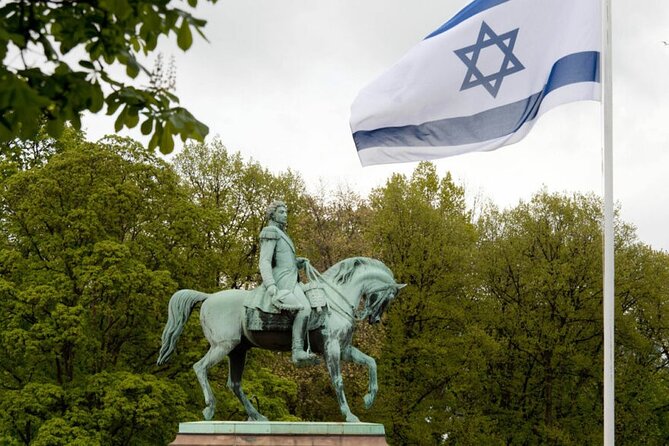
Reviewed · HISTORICAL TOURS
Jewish Heritage Tour in Oslo
Oslo has Jewish stories hiding in plain sight. This 2-hour private walk ties major sites in the center of town to Jewish life across centuries, from early settlement to occupation-era survival. I especially like the way the route uses real street-level locations, and the way the guide can shape the tour to your questions and pace.
One heads-up before you plan, though: the Oslo Synagogue is a highlight, but it is not always possible to step inside.
You’ll cover a focused circuit on foot with free time built into each stop. The tour is in English, runs on a mobile ticket, and is designed for a group of up to five people. The main drawback for some people is simply timing and access, especially around the synagogue, plus you’ll want decent walking weather.
In This Review
- Quick hits before you go
- Why a Jewish Heritage walk in central Oslo works
- Price and what you get for a group of up to 5
- Logistics: meeting at TigerJernbanetorget and finishing nearby
- Stop 1: Jernbanetorget and the first Jewish family in Oslo
- Stop 2: Stortorvet, Oslo Cathedral, and Christian IV’s monument
- Stop 3: The Norwegian Parliament and Jewish members of government
- Stop 4: Grand Hotel, Jewish shops, and the Nobel Peace Prize connection
- Stop 5: Karl Johans Gate and Jewish-owned stores
- Stop 6: The Royal Palace and Jewish life during the 1940 to 1945 occupation
- Stop 7: Oslo Synagogue and the question of access
- The guide factor: why this tour earns five-star reviews
- Who should book this Jewish Heritage Tour
- Should you book this tour?
- FAQ
- How long is the Jewish Heritage Tour in Oslo?
- What is the group size for this private tour?
- What language is the tour offered in?
- Where do we meet for the tour?
- Where does the tour end?
- Is the Oslo Synagogue always visitable inside?
- What ticket type do I need?
- What is the price for the tour?
- What weather conditions are required?
- What is the cancellation policy?
Quick hits before you go
- Private group, up to 5 people, so you can actually ask questions.
- Central Oslo route that makes history feel located, not distant.
- Synagogue stop is often the emotional high point, even when exterior only.
- WWII-era connections show up around prominent government and palace areas.
- Mobile ticket and easy public transport access keep it low-stress.
Why a Jewish Heritage walk in central Oslo works
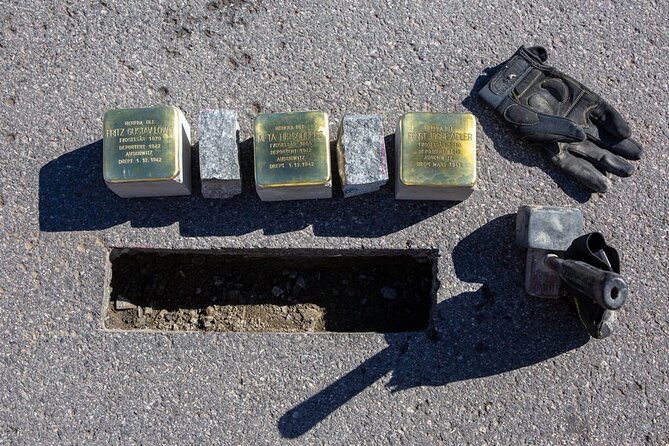
This isn’t a museum marathon. It is a street-level story walk, where you pause at key places and learn what happened in that exact spot. That approach matters in Oslo, because a lot of Jewish history is tied to where people lived, worked, prayed, and later were affected by the occupation years.
What you’ll get is a sense of continuity. You’re not only hearing about the past, you’re also seeing how Jewish presence, culture, and institutions relate to modern Oslo. And the route is built around landmarks you likely recognize already, like the cathedral area, the Parliament, and the Royal Palace vicinity. That makes it easier to remember, and easier to connect dots after the tour ends.
The guide’s job here is big: explain Norway’s wider history, then connect it to the Jewish community in ways that feel logical, not like random facts. Based on the consistently glowing feedback, that’s exactly how this tour is presented, with room for questions and a relaxed pace.
Price and what you get for a group of up to 5
At about $256.18 per group (up to five people), this is priced like a private, guide-led experience, not a big-group bus tour. The value comes from the format: you are not sharing a microphone with strangers, and you can slow down where you care most.
If you’re traveling solo, it may still be worth it if you prefer a personal pace and you enjoy history with direct answers. But if you’re cost-conscious, the sweet spot is pairing up with a few friends or family members to fill that group size. In that setup, the per-person cost drops and you get the best version of the experience: interactive, flexible, and focused on what you want to know.
Also, this is only about 2 hours. You are paying for a tight, high-impact route, not a long half day. That’s ideal if Oslo is just one stop on your trip and you want something meaningful without losing the rest of your day.
Where the path branches next in Oslo



Logistics: meeting at TigerJernbanetorget and finishing nearby
The meeting point is at TigerJernbanetorget, 0154 Oslo, Norway. That’s convenient because it puts you near a major hub area, so getting there by tram, metro, or bus is usually straightforward. The tour start is listed within a broad operating window (from 01/17/2023 to 12/08/2026), and it notes Monday hours from 8:00 AM to 8:00 PM.
Plan for an end location that is different from the start. The activity ends in another place, so after the tour, you’ll likely want to navigate from that finish point rather than backtracking to the meeting spot. If you like clean logistics, it helps to keep your transit options flexible for the final stretch.
The tour also calls for moderate physical fitness. This is still a walking tour in the city center, so bring comfortable shoes and expect typical Oslo walking surfaces.
Stop 1: Jernbanetorget and the first Jewish family in Oslo
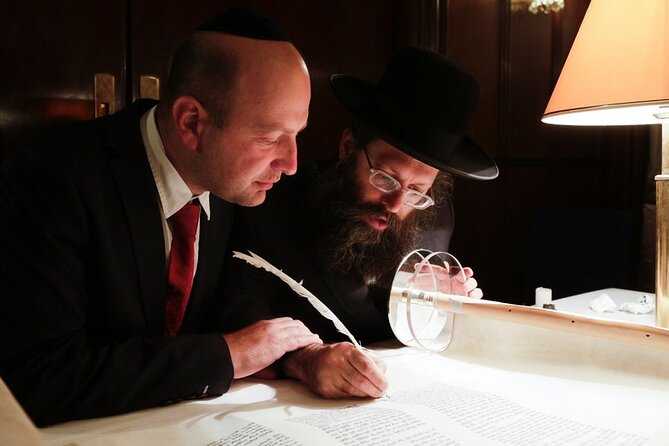
You begin at Jernbanetorget, where the guide introduces the tour with the story of the first Jewish family settled in Oslo. The key detail here is the emphasis on the actual location of their property. That kind of specificity is what makes this more than a generic overview.
Instead of learning history as a timeline only, you’re grounding it in street reality. You’ll likely come away thinking differently about Oslo’s layout, because you can connect where people lived to where you are standing now. It also sets the emotional tone early, which helps later stops feel connected rather than separate.
This first stop is short, about 10 minutes. In that time, expect an orientation to the overall narrative: early settlement, integration pressures, later constraints, and how the community’s public footprint changed over time.
Stop 2: Stortorvet, Oslo Cathedral, and Christian IV’s monument
Next is Stortorvet, where you pause by Oslo Cathedral and the Christian IV monument. On the surface, it’s just a beautiful, iconic area. In this tour, it becomes a “frame” for understanding how major Norwegian power and religious institutions existed alongside a small Jewish presence.
The value here is context. When you understand who had influence and where the religious and civic symbols were placed, the later Jewish references inside the political center feel more grounded. This stop is also about 10 minutes, so it’s designed to be digestible and not slow you down.
If you like history that ties architecture to power, this is a strong early moment. If you prefer more synagogue and community focus, keep going, because the route later moves into explicitly Jewish spaces and commerce.
Still ahead on the route through Oslo:
- Oslo: Oslo Fjord Sightseeing Cruise by Sailing Ship
★ 4.5 · 5,790 reviews - Oslo: Scenic Fjord Cruise with Audio Guide Commentary
★ 4.5 · 5,375 reviews - Oslo Nature Walks: Island Hopping Tour
★ 4.8 · 2,713 reviews - Oslo: 24 or 48-Hour Hop-On Hop-Off Sightseeing Bus GrayLine
★ 4.0 · 2,088 reviews
Stop 3: The Norwegian Parliament and Jewish members of government
At the Norwegian Parliament, you shift from setting the stage to seeing how Jewish life intersects with governance. The tour connects the Norwegian Constitution to remarkable Jewish members of Parliament.
This is one of those stops where the story can change how you see modern Europe. It’s not just about survival and exclusion. It’s also about participation and representation, showing how a minority community can become part of national institutions over time.
The stop is about 10 minutes. That means you’ll get clear, pointed highlights rather than a long lecture. If you want more detail, this is the moment to ask questions. The tour is set up for back-and-forth, and many guests note how responsive the guide is.
Stop 4: Grand Hotel, Jewish shops, and the Nobel Peace Prize connection
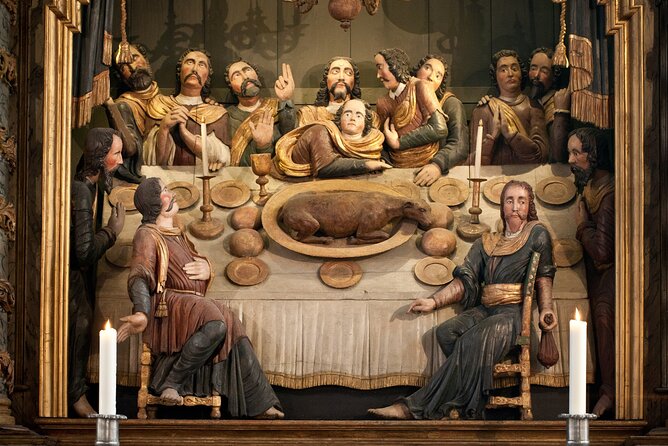
The Grand Hotel stop is built around the idea that Jewish life is not only religious, it is commercial and public. The tour references Jewish shops at the spot and also ties in the well-known Nobel Peace Prize association with the area.
Why this matters: you learn to look for evidence of everyday life. It’s easy to focus only on synagogues and wartime events, but communities also leave traces in businesses, gathering spaces, and street economies. That’s what makes the tour feel practical and real.
This is another short stop, about 10 minutes. Think of it as a “pause and read the city” moment. You’ll probably start noticing storefront patterns and street alignments differently after this.
Stop 5: Karl Johans Gate and Jewish-owned stores
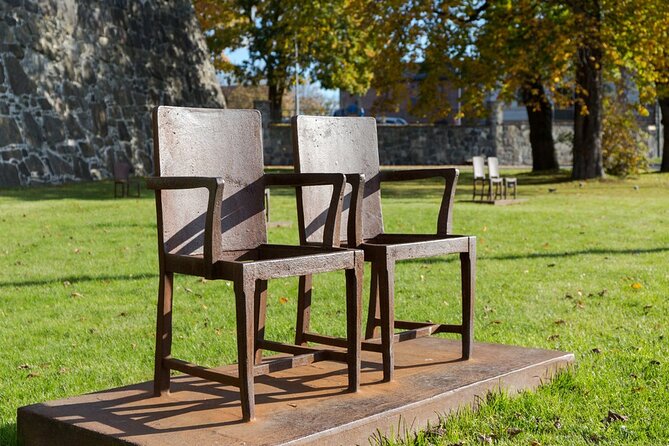
Then you move to Karl Johans Gate, one of Oslo’s main pedestrian-friendly streets. Here the tour points out that there were many Jewish-owned stores and references monuments connected to Jewish history in Norway and Oslo.
The time you spend here is longer, about 50 minutes. That tells you something important about the tour: this is a central walk segment where the guide expects your attention. You’ll likely get multiple stories, not just one or two, because the street itself can hold many layers.
This is also where the tour tends to feel most like a guided strolling city walk. The route gives you space to absorb details, ask questions, and let the connection between commerce, community, and public life sink in.
Stop 6: The Royal Palace and Jewish life during the 1940 to 1945 occupation
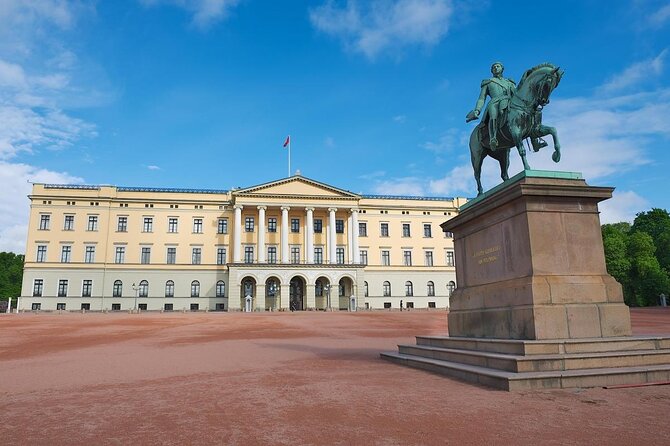
At the Royal Palace, the tour focuses on locations connected to Jewish life during the occupation years, specifically 1940 to 1945, around the Royal garden.
This is the stop where the tone can turn serious fast. It’s also one of the most important stops for understanding modern Oslo memory. Even if the details are brief, the placement is meaningful. You are learning how national-level power and wartime control showed up near symbols of the state.
If you prefer history that stays grounded in the city, this works well. You are not only hearing about tragedy. You are learning how it played out in recognizable public spaces. That’s a different kind of “place-based learning.”
The stop is about 10 minutes, so it’s not meant to overwhelm. But it’s usually the kind of moment that makes the rest of the tour hit harder.
Stop 7: Oslo Synagogue and the question of access
You finish at Oslo Synagogue, in an area described as a Jewish street in Oslo. The tour notes that it was the first built synagogue in Norway.
This stop is about 20 minutes and it’s often described as the emotional high point. Even if you cannot go inside, the synagogue is still a powerful final anchor because you’re closing the loop: from early settlement, through Parliament and commerce, into the occupation years, and ending at a living symbol of the community.
The key practical note is that it is not always possible to visit. So manage expectations. If interior access is part of your personal must-do checklist, keep in mind that outcomes can depend on factors outside the tour’s control.
If the interior is accessible, that changes everything, because it adds a physical, lived-in feel. If it is not, you’ll still come away with historical framing and the reason the synagogue matters in Norwegian Jewish history.
The guide factor: why this tour earns five-star reviews
The standout theme in the feedback is the guide. Rami Kafarov gets frequent praise for being engaging, responsive to questions, and strong at explaining Norwegian history in a way that helps you understand the Jewish story in context. That balance is not automatic. Many guides either focus too narrowly on Jewish events or too broadly on general Norwegian history. Here, the goal seems to be the connection, and guests like that approach.
There’s also mention of customization. One of the best parts of a private tour is the ability to shift emphasis. If you care more about wartime events, ask early. If you want the commerce angle, ask early. The tour is set up for that kind of adjustment.
Finally, there’s an extra, personal touch: Rami is credited with creating a short photo-book pairing current Oslo scenes with historic Jewish life images. That kind of takeaway is useful because it helps you remember faces, buildings, and streets after you leave. If you’re someone who likes souvenirs that actually tell a story, it’s worth asking about.
Even another guide name, Janine, is mentioned in connection with a memorable synagogue visit. The takeaway for you is simple: the tour seems to rely on guides who can handle both facts and emotion, without turning it into a script.
Who should book this Jewish Heritage Tour
You’ll probably love this tour if:
- You want a two-hour walking tour instead of a long museum day.
- You like history tied to real places, not just dates.
- You prefer small-group pacing, where questions are welcome.
- You’re interested in how Jewish life connected with Norway’s public institutions and wartime reality.
You might want to think twice if:
- You need guaranteed interior access to the synagogue. The tour itself says it is not always possible.
- You have zero flexibility for weather. The experience requires good weather, and poor weather can mean a different date or a refund.
- You dislike walking, even if it is moderate. It is city center walking, not a sit-down experience.
Should you book this tour?
If Jewish heritage in Oslo is on your list, I’d book this. The main reason is the format: you get a tight route through the most meaningful locations, and you get a guide who can connect the bigger Norwegian story to Jewish life without losing clarity. The private group size and the short duration make it easy to fit into a first visit.
The only reason not to book is if you’re only satisfied by a guaranteed inside synagogue visit. If you can accept exterior viewing as a possibility, you’re set up for a moving, well-paced walk through the city’s visible and less-visible layers.
If you do book, bring comfortable shoes, pick one or two topics you care about most, and ask the guide to focus there. This is the kind of tour where your questions shape the best moments.
FAQ
How long is the Jewish Heritage Tour in Oslo?
The tour runs for about 2 hours.
What is the group size for this private tour?
It is a private activity with only your group participating, up to 5 people.
What language is the tour offered in?
The tour is offered in English.
Where do we meet for the tour?
The start point is TigerJernbanetorget, 0154 Oslo, Norway.
Where does the tour end?
The tour ends in a different location, so your pickup or onward plans should start from that finish point rather than returning to the meeting spot.
Is the Oslo Synagogue always visitable inside?
It is not always possible to visit the synagogue inside, but you will still have the synagogue area as part of the tour.
What ticket type do I need?
You get a mobile ticket.
What is the price for the tour?
The price is $256.18 per group (up to 5).
What weather conditions are required?
The experience requires good weather. If it is canceled due to poor weather, you will be offered a different date or a full refund.
What is the cancellation policy?
Cancellation is free up to 24 hours in advance for a full refund. If you cancel less than 24 hours before the start time, the amount paid is not refunded.
Newly marked on the map for Oslo
- Oslo Scavenger Hunt and Highlights Self Guided Audio Tour★ 4.5 · 6 reviews
- Oslo easy walk★ 5.0 · 7 reviews
- Oslo: Oslofjord Electric Boat Cookie Cruise★ 3.8 · 7 reviews
- Oslo City Walks: The City of Contrasts★ 3.4 · 7 reviews
- The Oslo Beer Adventure★ 1.9 · 7 reviews
- 7-Day Scenic Scandinavian Tour from Oslo exploring Denmark, Sweden and fjords in Norway★ 4.5 · 7 reviews
- Private Oslofjord Island Hopping Tour★ 4.5 · 8 reviews
- Free Oslo Photo Tour: Iconic & Instagrammable Spots★ 5.0 · 8 reviews
Historical Tours, compared.

Reindeer Camp and Sami Cultural Tour with Lunch
Read our review →
Sámi Reindeer Sledding and Sami Cultural Tour
Read our review →



Browse the lists this tour appears in