
Ski lessons start with a safe fall. This beginner course on Tromsøya is built around confidence, starting with how to fall down and get up, then learning basic cross-country moves on prepared trails. You also get a warm break in the forest with a local treat, lefse, which makes the cold feel a lot more manageable.
I especially like the progression. You begin on totally flat ground to learn how to put on your gear and use simple techniques, then you ramp up to small hills at the end. One consideration: winter clothes are not included, and Northern Norway weather changes quickly, so you will want warm, windproof layers.
In This Review
- Key things I’d watch for
- Tromsøya is the beginner-friendly ski classroom
- Meeting Tromsø Outdoor and getting suited up quickly
- The first lesson: learn to fall down and recover
- Flat-ground technique drills that actually build skill
- From flat to small hills: the confidence moment
- A hot drink and lefse break in the forest
- The coaching style, from patient instructors to hands-on cues
- Transfer and timing: why 3 hours works for beginners
- Price and value: what $131 buys you in real terms
- After the course: rent skis and practice what you learned
- Who should book this beginner course, and who should skip it
- Should you book the Tromsø cross-country beginner course + transfer?
- FAQ
- How long is the cross-country skiing beginner course?
- What’s included in the price?
- Do I need to bring winter clothes?
- Where do I meet the guide in Tromsø?
- Is the instruction available in English, and is it a small group?
- Can I get a refund if plans change?
- Is this suitable for children and people with mobility issues?
Key things I’d watch for
- Fall-and-rise first. You learn the safest way to lose balance, then recover fast.
- Tromsøya trails with forest views. Birch and spruce forests, plus prepared routes near the top of the island.
- A real snack break. You stop for a hot drink and lefse.
- Small group coaching. Limited to 8 participants, so you get hands-on help.
- English instruction. The lessons are taught in English.
- Practice continues. After the course, you can rent skis to keep going on your own.
Tromsøya is the beginner-friendly ski classroom
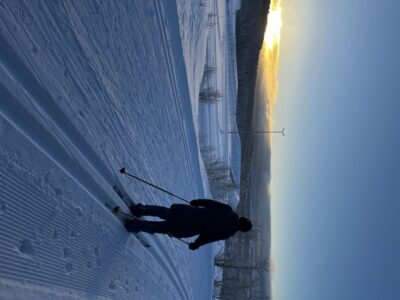
Tromsø cross-country skiing works because Tromsøya gives you variety without technical pressure. This course keeps you on the central part of the island first, then takes you toward the northern side for scenic routes. The terrain is mostly on prepared trails, and you pass through birch and spruce forest, which feels very Norwegian even when you are just learning to glide.
The timing and short drive matter more than you might think. You are not doing a long trek right off the bat, so you arrive ready to focus on technique, not survival. Several course comments point out how smooth the overall setup feels, with the transfer keeping the day from turning into log-jam hassle.
The last part of the ride is also where the island scenery helps your motivation. When you start small hills, you get that moment of, I can do this, even if your legs are already plotting their exit.
Meeting Tromsø Outdoor and getting suited up quickly
You meet your guide outside Tromsø Outdoor activity and rental centre, about 10 minutes before departure. That buffer is smart for beginners because you can collect skis and boots, ask one or two questions, and settle in before the lesson starts.
Here is what is included, which is a big part of the value:
- Skis
- Poles
- Ski boots
- Hot drink
- Sweet snack (lefse)
- Guide
- Transfer
That means you only need to focus on being warm and comfortable, not on tracking down rentals. Guides also handle the fit and setup process, since you learn how to put on and take off your skis during the course.
The main “not-included” piece is winter clothing. The course explicitly says winter clothes can be rented separately at the rental centre, and it also makes warm and windproof clothing obligatory due to fast-changing conditions. So plan for layers that block wind, because icy gusts can turn a mild day into a miserable one.
More of the Norwegian winter, booked:

The first lesson: learn to fall down and recover
Most beginner experiences fail because nobody wants to talk about falling. This one does. You start by learning how to fall down and get up, which instantly makes the course feel safer and less mysterious.
From there, you practice the basics of handling your equipment. You learn how to put skis on and take them off properly, then you begin moving using simple techniques. The structure is important: first you build control, then you add speed, then you add slope.
The course also uses a flat area as your training ground. That is exactly what you want on day one. If you are wobbling, falling, or dragging skis, a flat surface lets the instructor correct form without worrying about downhill momentum.
Even if your first attempts feel clumsy, you will likely notice the guide keeps bringing it back to small fixes. Several coaching comments highlight patience and step-by-step teaching, and names that come up include Alex, Joanna, Mathieu, Marta, Melanie, and Matthew, all described as supportive and methodical.
Flat-ground technique drills that actually build skill
Once you can manage the basics on flat terrain, the course transitions into more technique work. The goal is not to make you look smooth in 3 hours. The goal is to give you usable skills you can repeat on your own later.
You will start with the idea of controlled movement and basic mechanics, then you try different techniques as the lesson progresses. Since you end with small hills, those technique drills are the bridge between “I can stand on skis” and “I can move downhill without panicking.”
This is also where cross-country skiing becomes a workout, not just an activity. Your balance needs constant micro-adjustments, and your legs get to work even when you are not going fast. One of the common themes in the feedback is how fun it is, even when people admit it is harder than expected. That is a good sign. It means you are learning something real, not just doing a slow walk.
Also, because the group is limited to 8 participants, the guide can watch your form and adapt instruction. Some comments specifically mention different levels in the group and that everyone got help, which is exactly what you want as a true beginner.
From flat to small hills: the confidence moment
The tour finishes by challenging you on small hills. This is the part that makes the course feel like a real achievement, not a “stand and learn” demo.
Small hills matter because they teach you how to manage speed, balance, and direction without turning the session into a high-stress test. Your muscles learn to work while your brain stays calm enough to follow cues. If you are expecting big alpine-style downhill thrills, adjust your mindset. This is Nordic skiing, so the thrill comes from control, not racing.
Safety is taken seriously, too. One review mentions weather conditions that were hazardous, and that the guide prioritized keeping everyone safe. That aligns with the course’s insistence on warm, windproof clothing, because conditions in Northern Norway can change quickly and affect traction.
More turns above the fjord:
- Tromsø: Cross Country Guided Skiing Course
★ 4.7 · 503 reviews - Breivikeidet: Cross-Country Skiing & Husky Visit
★ 4.9 · 257 reviews - Tromsø: Learn to Ski – Developed With Local Olympic Champion
★ 4.9 · 187 reviews - Cross-Country Ski Lesson for Beginners in Tromso
★ 5.0 · 180 reviews
A hot drink and lefse break in the forest
The mid-tour break is not just a nice pause. It is part of how the course keeps you motivated and warm enough to keep learning.
You stop for a hot drink and a sweet snack: lefse, a traditional Norwegian treat. You get the snack in a forest setting, with the tour describing scenic areas and breaks along the route. Several feedback comments mention the tea and traditional snack included, which tells me this is a consistent part of the experience, not a random extra.
Why this matters: beginners often underestimate how quickly cold hands and stiff legs can kill progress. A warm drink helps you reset, and the calories help you keep moving through the technique phase and the hill challenge at the end.
The coaching style, from patient instructors to hands-on cues
What makes this kind of beginner course worth it is the coaching. The course is designed for small groups, limited to 8 participants, and instruction is in English.
In feedback, guides are frequently praised for being patient and professional, and a number of names show up:
- Joanna is mentioned for breaking things down and making it simple and fun for someone brand new to snow.
- Alex is noted for excellent teaching and smooth organization.
- Mathieu and Marta are highlighted as interactive and knowledgeable.
- Melanie is singled out for helping different levels in the group enjoy the experience.
- Helly and Matthew also appear with praise for support and instruction.
Even without you knowing those names ahead of time, the pattern is clear. Good instructors prevent beginners from getting stuck in frustration. They explain what you should do, then give you time to try it.
If you are the type who needs encouragement in the first 20 minutes, this is the kind of course where you can likely relax. The structure is also helpful. You are not thrown into hills immediately. You earn each step.
Transfer and timing: why 3 hours works for beginners
A 3-hour duration is short enough to keep energy up, but long enough to teach a real progression. You start with equipment handling and safety fundamentals, move into flat technique, then end with hills.
The included transfer also protects your time. You drive to the ski area on Tromsøya, which is described as a short drive away from the city centre. That keeps the experience focused on skiing and learning, instead of making you spend the morning or afternoon commuting.
This course also feels like a good afternoon or early-session activity because it gets you outdoors for a defined window. Northern Norway is a place where weather can shift, so having a contained schedule is practical.
Price and value: what $131 buys you in real terms
At about $131 per person for a 3-hour guided beginner course, the value is mostly about what is included, not just the hourly rate.
You are getting:
- ski equipment (skis, poles, boots)
- a guide for the whole lesson
- transfer to the ski area
- a hot drink plus lefse
- English instruction
- small group format
The biggest cost you might add is winter clothing, since winter clothes are not included. The course notes you can rent them separately at the rental centre upon prior arrangement. So do a quick mental budget check. If you already have proper windproof layers, you are set. If you do not, add rental cost so you do not get surprised.
For many first-timers, the best part is that you leave with enough skill confidence to try again. Multiple course comments mention getting the basics and feeling ready to practice on your own after. That is hard to price, but it is why a guided option can beat a cheap rental-only approach.
After the course: rent skis and practice what you learned
One of the most practical upsides is what happens at the end. After the tour, you can rent skis to practice cross-country skiing on your own. That means the beginner lesson does not end when you leave the forest.
Instead, you get a chance to reinforce the same moves in your own time. This can turn cross-country skiing from a one-time novelty into a repeat activity.
The course is also a smart way to learn what kind of skiing you enjoy. Cross-country can be slow and steady, or you can focus on technique and hills as you improve. Either way, renting skis afterward lets you experiment safely with your new baseline skills.
Who should book this beginner course, and who should skip it
This course is built for adults and older teens, and it is not meant for everyone. The provided information lists it as not suitable for:
- Children under 8 years
- Children under 12 years
- People with mobility impairments
- Wheelchair users
- People with vertigo
- People with pre-existing medical conditions
If you fit those exclusions, do not try to negotiate your way in. Cross-country involves balance, uneven snow, and the possibility of falling, even when the guide teaches how to recover.
On the plus side, it is a strong fit for:
- true beginners who have never tried cross-country skiing
- people who want a structured start, not random trail wandering
- visitors who want local Norwegian flavor, including lefse, without planning extra stops
Should you book the Tromsø cross-country beginner course + transfer?
If your goal is a high-support first taste of Norwegian cross-country skiing, I think this is a great choice. The course builds confidence the right way, with fall-and-rise basics, flat training, then a gentle hill challenge. You also get real value from the included gear, guide, transfer, and the warm break with lefse.
Book it if you want a guided day that feels scenic but still teachable, and if you can show up with warm, windproof clothing. Skip it if the listed unsuitability categories apply to you, or if you know you will struggle with balance and falling, even in a controlled beginner setting.
FAQ
How long is the cross-country skiing beginner course?
The activity lasts 3 hours.
What’s included in the price?
The included items are skis, poles, ski boots, a hot drink, a sweet snack, a guide, and transfer.
Do I need to bring winter clothes?
Warm clothing is required. Winter clothes are not included in the tour price, but you can rent them separately at the rental centre upon prior arrangement.
Where do I meet the guide in Tromsø?
The guide meets you outside Tromsø Outdoor activity and rental centre about 10 minutes before departure.
Is the instruction available in English, and is it a small group?
Yes, the instructor teaches in English. The group is small, limited to 8 participants.
Can I get a refund if plans change?
Yes, there is free cancellation up to 24 hours in advance for a full refund.
Is this suitable for children and people with mobility issues?
The activity is not suitable for children under 8 years and also lists children under 12 years. It is also not suitable for people with mobility impairments, wheelchair users, people with vertigo, or people with pre-existing medical conditions.
More Private Drivers in Tromso
- From Tromsø: Dog Sledding Experience with Transfer★ 4.4 · 752 reviews
- Tromsø: Husky Sledding Adventure with Soup & Transfers★ 4.8 · 166 reviews
- Tromso Cable Car Arctic Panorama Transfer★ 3.5 · 13 reviews
- Private Airport and City Transfer in Tromso★ 3.5 · 8 reviews
More Snow in Tromso
- From Tromsø: Snowshoe Hike in the Arctic★ 4.9 · 467 reviews
- Guided Snowshoe Walk on Tromsoya Island in Tromso★ 4.5 · 103 reviews
- Tromsø: Sledding, Toboggan, Mini Skiing, Lasso & Arctic Fun★ 4.8 · 95 reviews
- From Tromsø: Evening Fjellheisen Snowshoe Hike and Cable Car★ 4.8 · 91 reviews
Newly marked on the map for Tromso
- Tromsø: Big Bus Fjord Tour with free photos and wildlife★ 4.5 · 7 reviews
- Tromsø: Northern Lights Chase — Small Group Experience★ 4.6 · 7 reviews
- Tromsø City Walking Tour with Sámi History & Mythology★ 5.0 · 7 reviews
- Tromsø: Fjords & Sommarøy Tour with Warm Local Lunch Option★ 5.0 · 7 reviews
- Tromsø: Whale Safari by RIB Boat with Transfer★ 5.0 · 7 reviews
- Tromsø: Midnight Sun Fjord Adventure with Seaside Lunch★ 5.0 · 7 reviews
- Tromsø: Tromsø Snow Dome Entry Ticket★ 2.7 · 7 reviews
- Small Group Snowshoe Hike in Tromso★ 5.0 · 7 reviews
Skiing, compared.

Sightseeing with Holmenkollen Ski Jump & Vigeland Park
Read our review →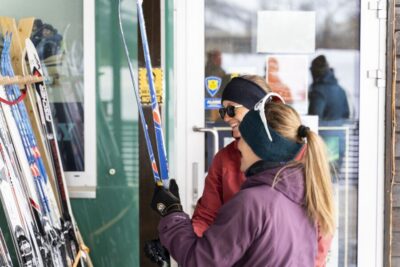
Breivikeidet: Cross-Country Skiing & Husky Visit
Read our review →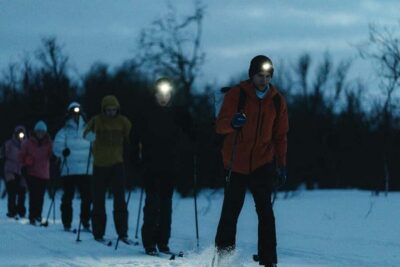
Learn to Ski – Developed With Local Olympic Champion
Read our review →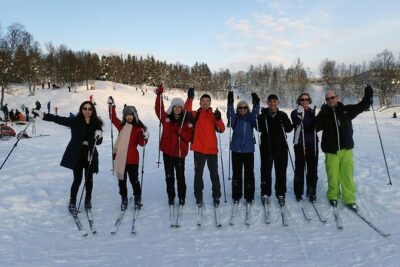
Cross-Country Ski Lesson for Beginners in Tromso
Read our review →
Oslo Panorama Tour with Holmenkollen Ski Jump and Vigeland Park
Read our review →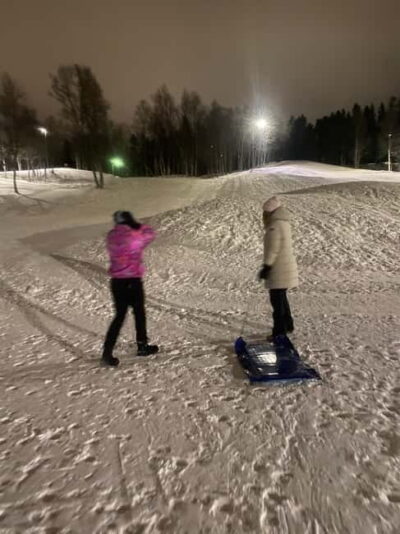
Sledding, Toboggan, Mini Skiing, Lasso & Arctic Fun
Read our review →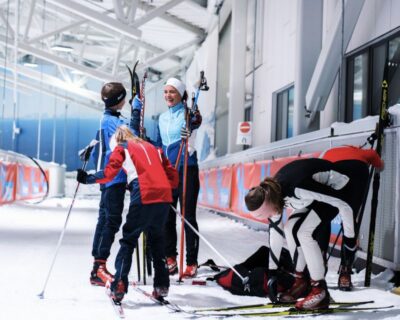
Browse the lists this tour appears in