
Reviewed · MUSEUMS
Stavanger: Norwegian Petroleum Museum – Entrance Ticket
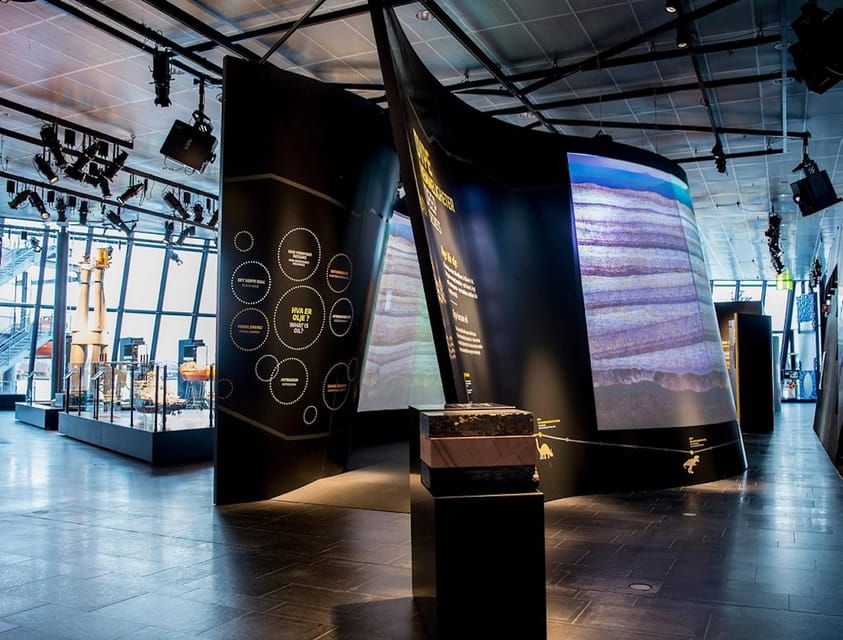
Stavanger turns the oil story into something you can use. At the Norwegian Petroleum Museum, you get interactive exhibits on how offshore operations work, plus original objects, models, films, and hands-on features that make a big industry feel understandable. I also like how clearly it connects petroleum to daily life in Norway, not just the machines offshore.
My second big plus is the climate section, where the museum tackles greenhouse gas emissions and global warming without pretending the topic is simple. A possible drawback to consider is that this is a focused, industry-and-impact museum. If you want a light, purely entertainment stop, the petroleum and climate themes may feel more serious than you expected.
In This Review
- Key things to know before you go
- Stavanger’s Norwegian Petroleum Museum: Why This Oil Story Matters
- Ticket Value for a Full-Day Museum Stop in the City Center
- Finding the Museum Near Vågen, Plus Parking at Jorenholmen
- What You’ll See First: Offshore Operations, Oil Formation, and the Seabed Story
- How Technology and Industrial History Show Up in the Exhibits
- Oil Revenue and Norwegian Society: The Human Side of Energy
- Climate Challenge and Global Warming: Energy’s Hard Question
- The Film Oilkid: Growing Up in Times of Change
- Family Fun at Norsk Oljemuseum: Rescue Chute, Catastrophe Room, and Play Platform
- Interactive Games and Picture Quiz: Making Adults Participate Too
- Practical Planning: Timing, Pacing, and Getting the Most From Your One-Day Ticket
- Should You Book the Norwegian Petroleum Museum Ticket in Stavanger?
- FAQ
- How much is the entrance ticket for the Norwegian Petroleum Museum?
- How long is the Norwegian Petroleum Museum experience valid for?
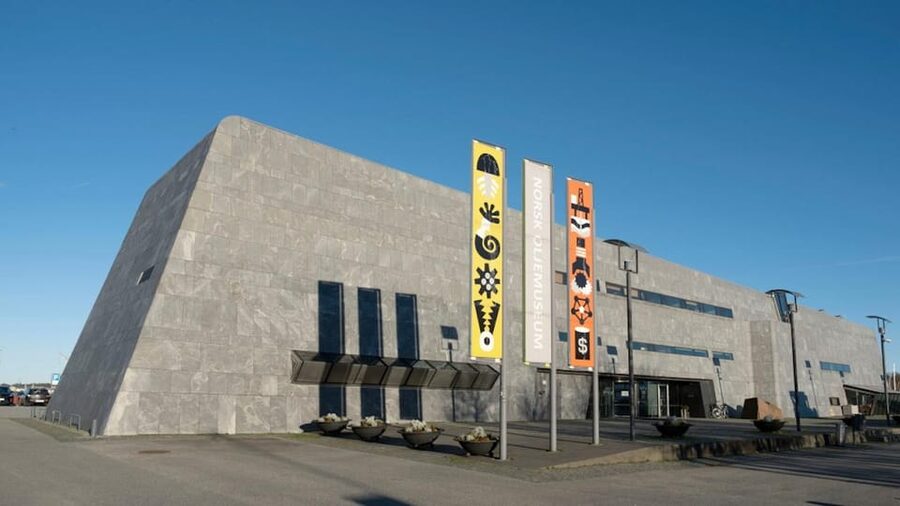
- Where is the museum in Stavanger?
- What are the museum opening hours?
- What language options are available?
- Is there anything for children at the museum?
Key things to know before you go
- Interactive exhibitions explain oil and gas formation, finding resources under the seabed, and how drilling and production work.
- Film callout: don’t miss the museum film Oilkid about growing up in times of change.
- Family play zones include a play-platform for little ones, plus features like a rescue chute and a catastrophe room.
- Climate challenge coverage looks at global warming and the role of greenhouse gas emissions.
- Location convenience puts you in central Stavanger near Vågen, with parking at Jorenholmen.
- All-year option means you can plan around weather, with seasonal opening hours.
Stavanger’s Norwegian Petroleum Museum: Why This Oil Story Matters
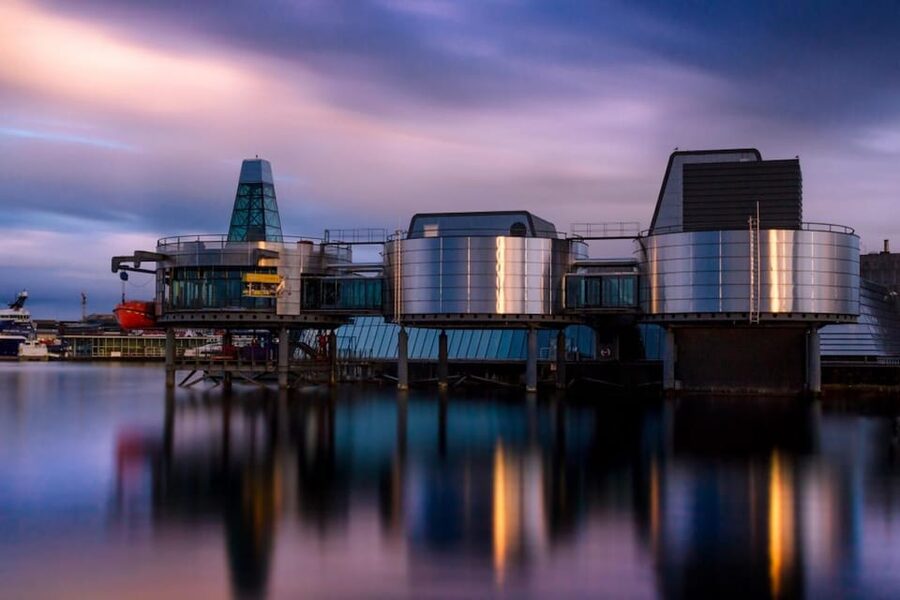
If you’ve ever wondered why Norway is so strongly tied to offshore energy, this museum gives you the why in plain language. The Norwegian Petroleum Museum (Norsk Oljemuseum) focuses on how offshore operations became the country’s most important industry. And it does more than describe oil. It explains the chain from formation to extraction, then follows through to what that revenue meant for Norwegian society.
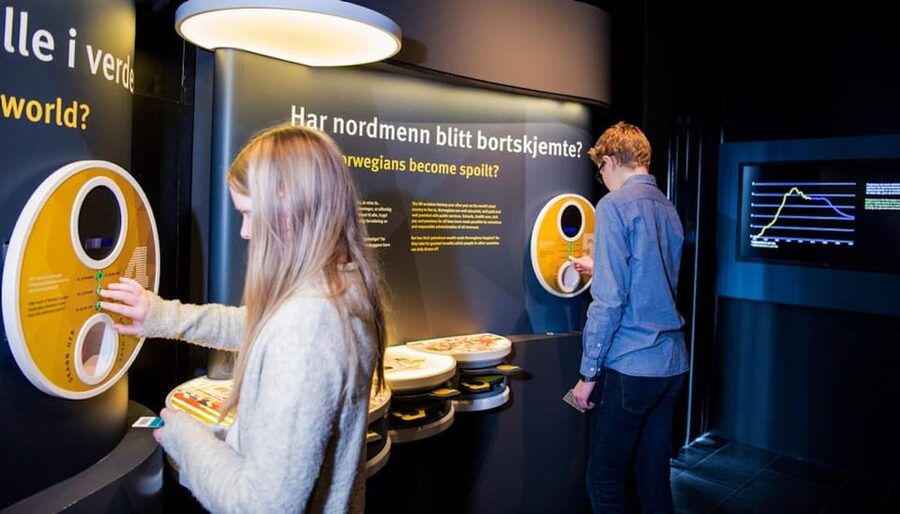
I like museums that don’t treat science as a wall of text. Here, you see the story through real artifacts, working-style models, and films, plus interactive displays that let you try the ideas instead of only reading them. That makes the museum work for adults and kids, especially if your group includes different ages and interests.
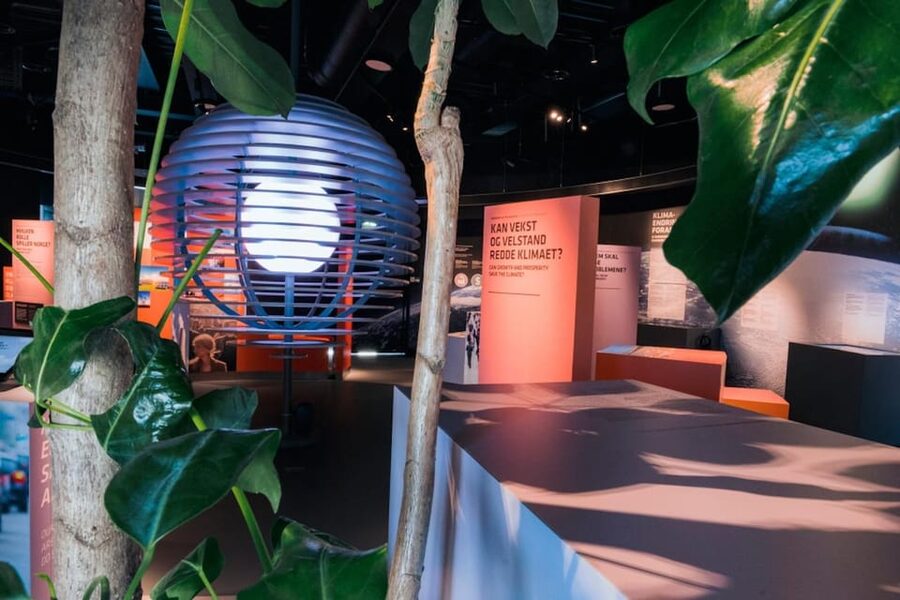
You should also know the museum makes climate part of the same conversation. Greenhouse gas emissions and global warming are not treated as a separate lecture. They’re woven into the broader story of energy and responsibility.
Ticket Value for a Full-Day Museum Stop in the City Center
The entrance ticket runs $19 per person, and that price makes sense because you are not buying a short show. You are buying access to a whole set of exhibitions built for repeat stopping. With original objects, models, films, and interactive areas, it’s the kind of museum where you can pace yourself and still feel like you saw something complete.
It’s also a practical value play if you are traveling with children. The museum isn’t only for adults who like industry details. It includes kid-focused activities like a play-platform for sliding, playing, and climbing, plus hands-on games and family-friendly challenges. That means one ticket can pay off for multiple interests, not just one.
One consideration is that the museum is not labeled as a quick hit. It’s a one-day activity, but you will get more out of it if you give yourself time to work through the interactive parts and the film. If you are trying to stack five stops in one tight window, you may feel rushed.
More Norwegian halls and collections:


Finding the Museum Near Vågen, Plus Parking at Jorenholmen
The museum sits in central Stavanger, close to Vågen, the harbor area. That matters because you are not hauling across town just to see one attraction. You can pair the stop with a harbor stroll, a cafe break, or a bit of city exploring before or after.
For parking, the recommended option is Jorenholmen. If you are driving, that tip can save time since you will not be guessing where to leave the car in a busy central zone.
Also, the museum is open year-round. In summer, it runs daily from 10:00 to 19:00 (June 1 to August 31). In the rest of the year, it shifts to Monday through Saturday 10:00 to 16:00, and Sunday 10:00 to 18:00 (September 1 to May). It also closes on specific days like Good Friday, Easter Sunday, and selected Christmas dates, plus it closes on May 17. If you plan your trip around holidays, double-check the exact dates.
And yes, it is wheelchair accessible, which is a real plus for families managing strollers or mobility needs.
What You’ll See First: Offshore Operations, Oil Formation, and the Seabed Story
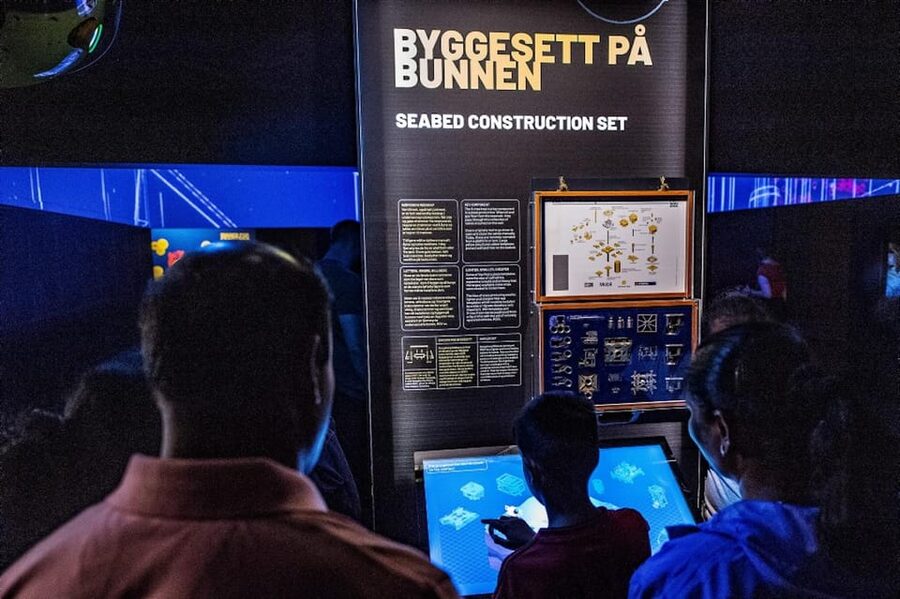
The heart of the museum is the explanation of offshore operations and why they became so central to Norway. As you walk through, the exhibitions build a clear progression: how oil and gas are formed, how resources under the seabed are found, and how drilling and production are conducted.
The museum uses a mix of formats to keep it from turning into a lecture hall. You will see original objects, plus models and films that show how systems work. Then you get interactive exhibits where you can test ideas, rather than just watch them. For families, this pacing is often the difference between a kid lingering willingly and a kid bouncing off to something else.
For adults, the value is in the framing. This is not only about oil as a product. It explains oil as a process, tied to technology, exploration, and national development. That makes the later sections, especially climate and revenue, feel grounded instead of abstract.
If you are short on time, I suggest prioritizing the interactive displays and the core process sections first. You can always circle back to smaller exhibits after you’ve built the main map of the story.
How Technology and Industrial History Show Up in the Exhibits

A big part of the museum’s appeal is how it presents technological advances made by the petroleum sector. You don’t have to be an engineer to grasp what’s going on, because the exhibits are presented through models, original items, and film segments that connect the tech to the work happening offshore.
You’ll also get a strong sense of history without it turning into a dusty timeline. The museum includes films and interactive components that explain how the operations evolved over time. And because the displays use multiple media types, it helps different learning styles. If your group is split between people who like reading and people who like trying things, the museum has a way to include both.
This is one of the best reasons to visit even if you already know the basics of oil and gas. You leave with a better understanding of the machinery of discovery and production, not just the end result.
Where the path branches next in Stavanger
- Stavanger: Electric Fjord Cruise to Lysefjord & Preikestolen
★ 4.6 · 8,385 reviews - Stavanger: Fjord Cruise to Lysefjord and Pulpit Rock
★ 4.8 · 1,357 reviews - From Stavanger: RIB Tour to Lysefjord
★ 4.9 · 1,288 reviews - From Stavanger: Lysefjorden & Pulpit Rock RIB Boat Tour
★ 4.8 · 1,156 reviews
Oil Revenue and Norwegian Society: The Human Side of Energy
One section that often clicks for visitors is how oil revenue affected Norwegian society. The museum connects petroleum to national change, showing that the story goes beyond extraction. You can expect exhibits that link the industry to how Norway developed, rather than treating oil as an isolated industrial topic.
This matters because it answers the question you might be carrying from your trip: why does Norway feel the way it does today? Even without getting political, the museum frames energy as a driver of real-world decisions and systems.
If you prefer museums that help you understand how place and economy interact, you will likely appreciate this part. It turns the oil story into something with consequences, not just engineering.
Climate Challenge and Global Warming: Energy’s Hard Question
The museum also tackles the climate challenge, including greenhouse gas emissions and global warming. This part of the experience is valuable because it keeps the conversation honest. It acknowledges the connection between energy use and emissions, and it treats climate as a real issue that must be considered alongside industry.
I like that the museum does not hide behind jargon. It presents the problem clearly and ties it to the larger context of the petroleum industry. That makes it a good stop if you want to avoid one-sided museum narratives.
Still, it is worth noting the topic can feel heavy. If you are traveling with kids who get overwhelmed by serious themes, focus on the interactive and kid-friendly zones first, then decide how much time to spend on climate content.
The Film Oilkid: Growing Up in Times of Change
Don’t plan to miss the museum film Oilkid. It’s described as a film about growing up in times of change. That one line tells you the film’s purpose: it brings the big themes into a human story, which can make the industry and climate topics easier to digest.
If you are visiting with children, the film can be a helpful reset. Even if your kids do not follow every detail, a story format can keep them engaged while still delivering the museum’s message.
If you are an adult visitor, I think this film is one of the best ways to get the museum’s theme into your brain quickly. It bridges the technical content with everyday life.
Family Fun at Norsk Oljemuseum: Rescue Chute, Catastrophe Room, and Play Platform
This museum is family-friendly in a very practical way. The activities are built for adults to supervise without turning the visit into pure babysitting.
For younger children, there’s a play-platform where kids can slide, play, and climb. That’s the kind of physical option that helps after reading-heavy exhibits. It also gives parents a chance to take in more complex content elsewhere without feeling they must manage constant entertainment.
For older kids, the museum includes features like the rescue chute and a catastrophe room. It sounds dramatic, but the setup is aimed at learning through experience. The museum also has interactive games and hands-on spots where kids can explore the themes in their own way.
One more family-friendly tool is the picture quiz, designed so the whole family can participate to find details of the exhibitions. That turns the museum into a scavenger hunt vibe, without requiring you to bring anything but curiosity.
Interactive Games and Picture Quiz: Making Adults Participate Too
Some museums separate adult learning and kid play into different rooms. Here, there’s more overlap. That picture quiz is a strong example. It nudges everyone to look closer at exhibit details, which helps adults slow down and notice things they might otherwise skip.
There are also interactive games throughout the museum. The idea is simple: if you touch, test, or respond, the content sticks. That is especially useful in a museum covering big systems like drilling, production, and climate impacts.
If you like structured challenges, do the quiz early. Then you can use it as a guide for what to watch for during the rest of your walk.
Practical Planning: Timing, Pacing, and Getting the Most From Your One-Day Ticket
You’re buying a one-day ticket, so you can choose your pace. The museum is open all year, with seasonal hours that can give you a full afternoon or a bigger day depending on the season. In summer it stays open late into the evening, while off-season hours are shorter on most days.
In practical terms, I’d plan this as a main event in your day, not a small add-on. The petroleum and climate topics deserve time, and the interactive areas and kids zones take up real attention. If you rush, you’ll likely miss the film and at least part of the interactive sections.
If your group includes kids, consider starting with the play-platform area and family activities early. That reduces the odds of your visit turning into a negotiation mid-day. Then come back to the exhibition story with calmer attention.
And if you are an adult visitor traveling solo or with another adult, you can still enjoy the hands-on parts. In fact, many of the interactive displays are built for non-experts, so you will not feel like you have to study petroleum engineering first.
Should You Book the Norwegian Petroleum Museum Ticket in Stavanger?
Book it if you want a high-impact museum that explains Norway’s offshore energy story with interactive exhibits, real objects, films, and kid-friendly activities. At $19 per person, the value is strongest when you can spend enough time to experience more than one section, especially the climate challenge and the Oilkid film.
Skip or reconsider if you only want light entertainment or if you are extremely short on time in Stavanger. This museum is focused, and the themes include climate and greenhouse gas emissions, which may not match every traveler’s mood.
If you are visiting Stavanger with a mixed-age family, I’d call this a confident pick. The museum gives adults meaningful content and gives kids enough to stay moving, from slide-and-play at the play-platform to rescue-themed and catastrophe-themed activities.
FAQ
How much is the entrance ticket for the Norwegian Petroleum Museum?
The entrance ticket is listed at $19 per person.
How long is the Norwegian Petroleum Museum experience valid for?
The ticket is valid for 1 day.
Where is the museum in Stavanger?
The museum is in Stavanger city center, close to Vågen (the harbor). Parking is recommended at Jorenholmen.
What are the museum opening hours?
Opening hours vary by season. June 1 to August 31 it is open every day 10:00 to 19:00. September 1 to May it is open Monday to Saturday 10:00 to 16:00 and Sunday 10:00 to 18:00. The museum is also closed on certain holidays, including Easter Sunday and Good Friday, and selected Christmas dates, plus it is closed on May 17.
What language options are available?
The host or greeter is available in English and Norwegian.
Is there anything for children at the museum?
Yes. There are multiple child-focused activities, including a play-platform for sliding, playing, and climbing, plus a rescue chute, a catastrophe room, and interactive games. There is also a picture quiz where the whole family can participate.
Newly marked on the map for Stavanger
- Discover Sensational Stavanger: Self-Guided Audio Tour★ 3.5 · 7 reviews
- e-Scavenger hunt Stavanger: Explore the city at your own pace★ 4.0 · 7 reviews
- The Pulpit Rock Air★ 4.5 · 8 reviews
- Stavanger: 5-Hour Fishing Trip with Equipment and Guide★ 3.1 · 8 reviews
- Stavanger’s Historic Sites Smartphone App GPS Audio Walking Tour★ 5.0 · 8 reviews
- Stavanger/Sandnes: Preikestolen Guided Hidden Nature Hike★ 4.9 · 8 reviews
- Stavanger Private Safari and Fishing’s★ 5.0 · 8 reviews
- Discover Haugesund with the locals, visit the rising tides★ 5.0 · 8 reviews
Museums, compared.




Troll Museum Entry Ticket with AR Media Experience
Read our review →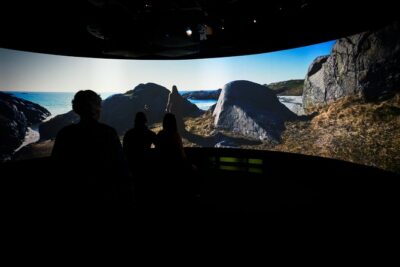


Aksla-Alnes-Giske-Sunnmøre museum 100 % Highlights 4.5 H
Read our review →Browse the lists this tour appears in