
Reviewed · MUSEUMS
Oslo: Museum of Oslo and Theatre Museum Entry Ticket
Oslo’s stories are staged and preserved in one stop. With a two-museum ticket, you get Oslo city-building history plus theatre artifacts, and I like the café and craft shop as a natural breather. One possible downside: the museum experience can feel a bit worn in places if you are picky about how polished everything looks.
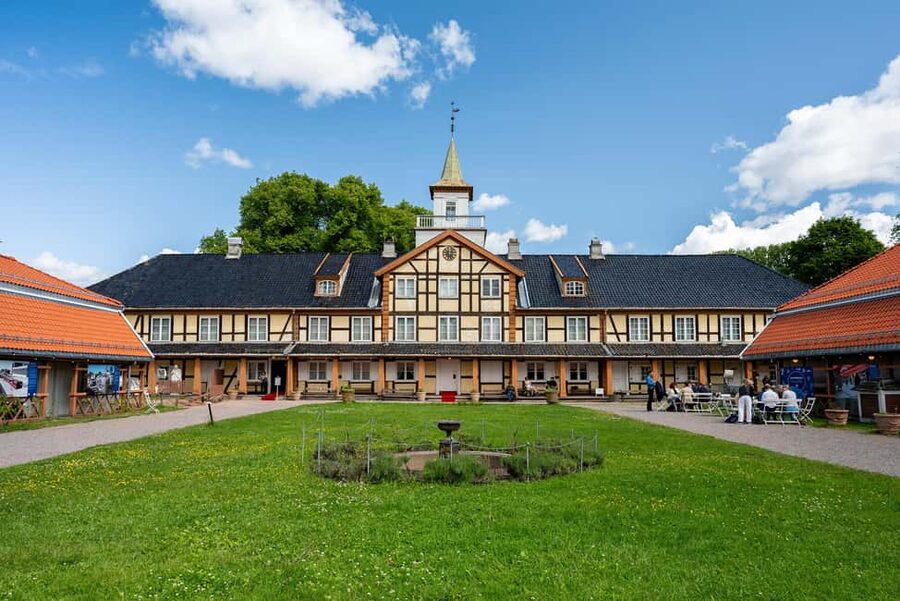
You’ll find both museums in Frogner Manor within Frogner Park, in an old building setting that makes the visit feel like more than just a checklist. Plan on self-guided exploring, with friendly staff help when you need it, and use Frogner plass as your tram landmark.
Timing matters, especially if you want the most out of limited opening hours. Adults pay NOK 120, students NOK 60, under-26 visitors get free admission, and the first Thursday of the month is free for everyone. Also, if you were hoping for English guided commentary, note that guided tours are only in Norwegian.
In This Review
- Key things to know before you go
- Frogner Manor at Frogner Park: the perfect setting for a one-day culture stop
- Museum of Oslo: understand urban change and everyday life
- A small consideration for your expectations
- Theatre Museum: original costumes, props, photos, and stage models
- Who this section suits best
- A smart way to plan your 1-day visit at a museum that covers two topics
- Café and gift shop breaks: a real part of the experience
- What to do if you’re coming with bags, bikes, or a stroller
- Getting the most from your self-guided visit
- Mobility access: step-free movement and borrowing wheelchairs
- Value for money: what you actually get for the price
- Should you book this museum ticket?
- FAQ
- What is included in the ticket?
- Where are the museums located?
- What is the nearest tram station?
- How long is the ticket valid?
- What are the opening hours?
- How much does it cost?
- Are guided tours included?
- Is the museum wheelchair accessible?
- What items are not allowed?
Key things to know before you go
- Two museums, one ticket, Museum of Oslo plus the Theatre Museum
- Frogner Manor in Frogner Park, an easy, scenic pre-walk before you enter
- Stage history material, original costumes, props, photos, and stage design models
- You’ll learn how Oslo works as a city, not only dates and famous names
- A proper break option, café time and a craft-focused gift shop
- Practical rules for your visit, especially around food, bikes, backpacks, and strollers
Frogner Manor at Frogner Park: the perfect setting for a one-day culture stop
This ticket is built around a simple idea: you can learn how Oslo became Oslo, then switch gears and see how the city tells stories on stage. Both parts happen in Frogner Manor, so you are not zigzagging across town like a commuter. Instead, you get a calm start in Frogner Park and then a focused indoor visit.
I also like that the building itself helps. Even before you hit the first exhibit, the setting gives you a sense of place. It is one of those locations where you can slow down, take a minute, and get oriented without needing a guide in your ear.
If you are coming by tram, keep Frogner plass in mind. It is the nearest tram station listed, and it makes the final approach straightforward. Once you are there, the museum building is visible from the park, which cuts down on that slightly stressful walking-around-with-a-map feeling.
Museum of Oslo: understand urban change and everyday life
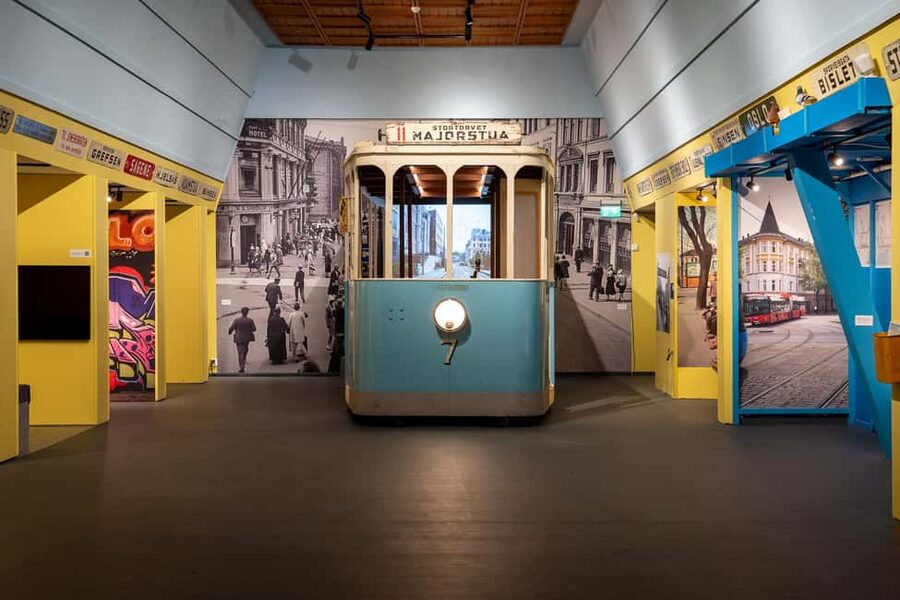
The Museum of Oslo part is where you get the city context. You’re not just looking at isolated artifacts. You’re seeing Oslo’s story through urban development, and how the city shaped the lives of its inhabitants.
What I especially like is the way the museum talks about the city as a living system. You get material related to Oslo’s history and how the city developed, plus exhibits that connect that past to what Oslo deals with today. That matters because otherwise museum history can feel like it belongs to another timeline.
As you move through, expect different exhibition variations on themes like:
- Oslo’s urban development
- Who lives in the city and how city life evolves
- Current issues facing Oslo today
You’ll also get a slower, reflective pace compared with a fast-moving walking tour. The museum format gives you time to stand still and read, which is great when you want to make sense of a place rather than just see it.
More Norwegian halls and collections:


A small consideration for your expectations
Not every museum room feels newly refurbished. One visitor found the experience older and a bit used. If you love pristine, brand-new interiors, you might feel that more than others. Personally, I think it is still worth it because the content themes are the main attraction here, but it is something to keep in mind.
Theatre Museum: original costumes, props, photos, and stage models
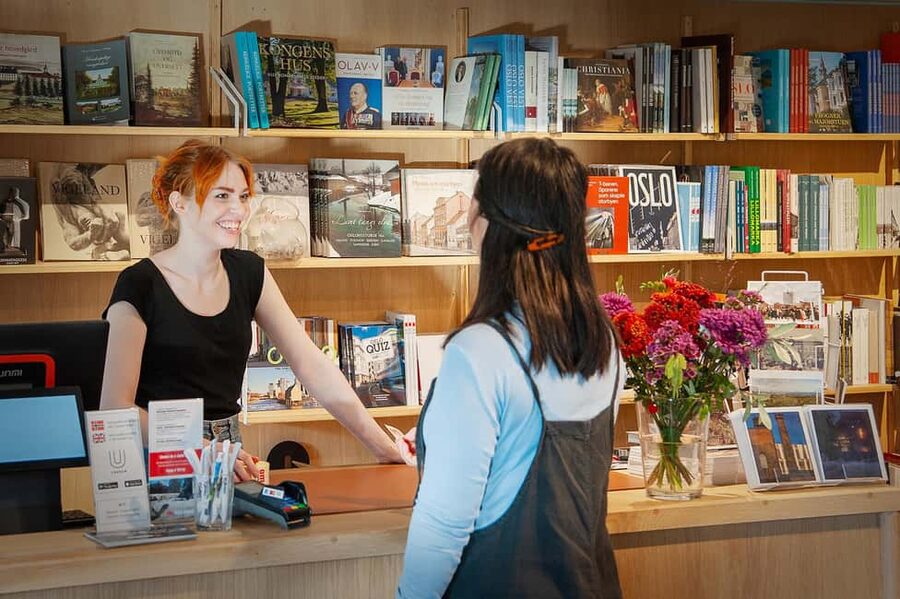
Then comes the shift into the Theatre Museum. This is where the ticket turns from city-building history into performance history you can see with your own eyes.
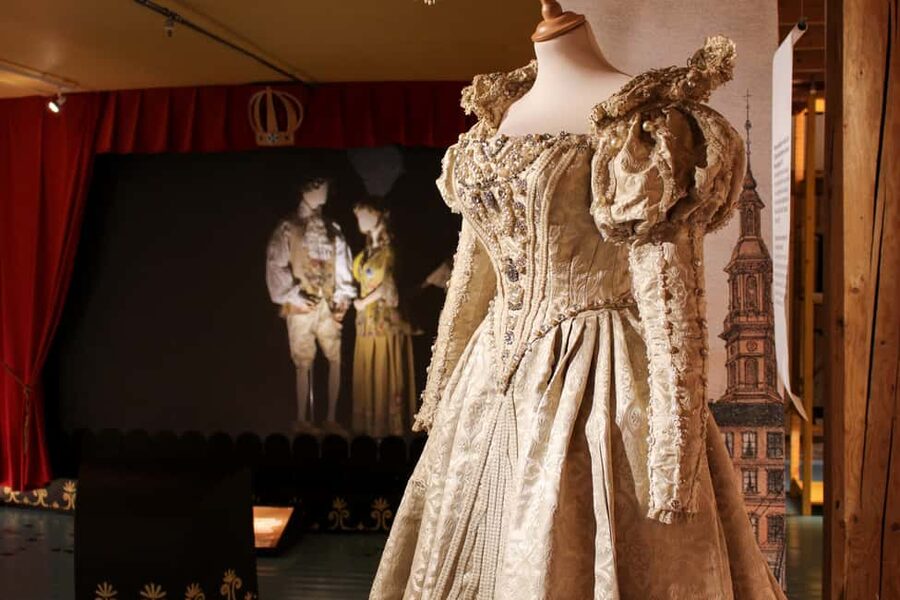
The Theatre Museum highlights what you can find on stage, behind the scenes, and in the visual language of productions. You can expect original costumes, props, photos, and stage design models. Even if you do not consider yourself a theatre person, this is the part that tends to hook people fast because it is tangible.
Here’s why it works well:
- Costumes make the era real. You stop imagining and start seeing materials, shapes, and details that reflect the times.
- Props and stage design models translate ideas into physical form. You get a clearer picture of how sets and scenes are planned.
- Photos add context. They connect objects to actual performances and people.
This is also a good museum option if you like creativity and design. You can read history, but you can also appreciate how theatre uses craft. The artifacts help you understand stage-making as a system, not just a performance outcome.
Who this section suits best
You’ll like this most if you enjoy art, design, fashion, or if you simply like stories you can touch. If you prefer only large-scale, modern museum displays, you might want to check your priorities before booking. But if you enjoy original objects and how they tell a story, this is a strong match.
Where the path branches next in Oslo
- Oslo: Oslo Fjord Sightseeing Cruise by Sailing Ship
★ 4.5 · 5,790 reviews - Oslo: Scenic Fjord Cruise with Audio Guide Commentary
★ 4.5 · 5,375 reviews - Oslo Nature Walks: Island Hopping Tour
★ 4.8 · 2,713 reviews - Oslo: 24 or 48-Hour Hop-On Hop-Off Sightseeing Bus GrayLine
★ 4.0 · 2,088 reviews
A smart way to plan your 1-day visit at a museum that covers two topics
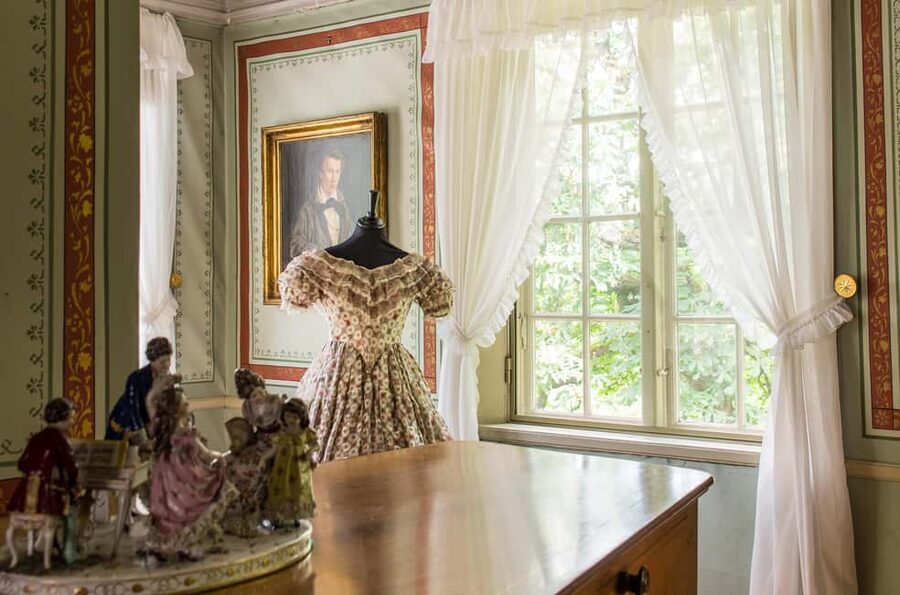
Because this is a one-day ticket, you want to manage your time like a local. The opening hours split by day are your biggest planning factor. Tue, Wed, Fri, Sat, and Sun run 11am to 4pm, while Thu runs 11am to 6pm. You’ll want to arrive with enough margin that you do not feel rushed during either museum wing.
A practical flow I recommend:
- Start with the Museum of Oslo first, since it sets up the city context.
- Take a break if you need it, then move into the Theatre Museum.
- Finish with café time and a slow look in the shop so you end the day on your own terms.
How long should you spend? There’s no strict formula because exhibit pacing varies. But aim for enough time that you can read key sections without skating. If you only have 90 minutes, you’ll feel pressed. If you give yourself closer to half a day total inside, you’ll get the benefit of both themes.
Also, use the café and shop as part of your pacing. Museums feel more relaxing when you treat food as a schedule tool, not an interruption. It helps you keep your energy for the theatre artifacts that can be surprisingly absorbing.
Café and gift shop breaks: a real part of the experience
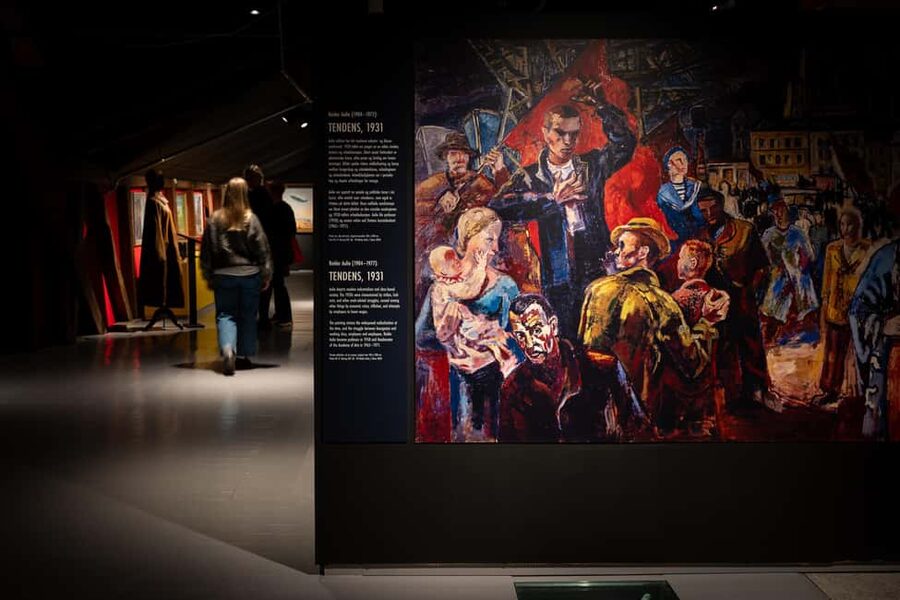
This ticket does not just get you into exhibits. It also includes access to the café and gift shop, and that matters because it turns a museum visit into a full outing.
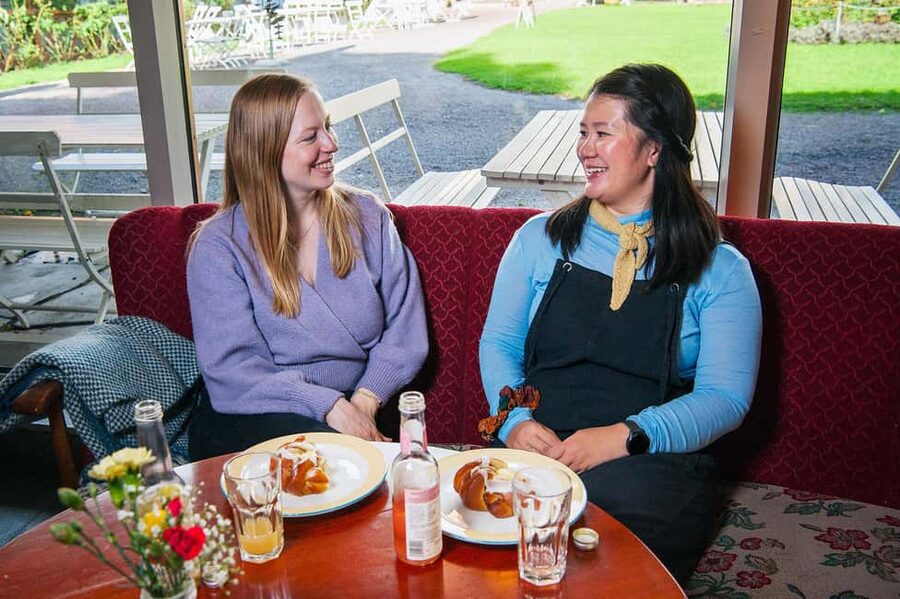
I love this kind of built-in break because you do not have to hunt for food in a busy day. If you’re visiting on a cold or rainy Oslo day, the café gives you a warm reset so the rest of the exhibits feel less like endurance.
You’ll also find a gift shop with crafts. One visitor specifically called out the craft shop and coffee as a highlight. Even if you do not plan to buy anything, browsing is a nice way to remember what you saw. If theatre history and costume details caught your attention, you might find the craft items more thematically linked than you would in a generic souvenir store.
What to do if you’re coming with bags, bikes, or a stroller
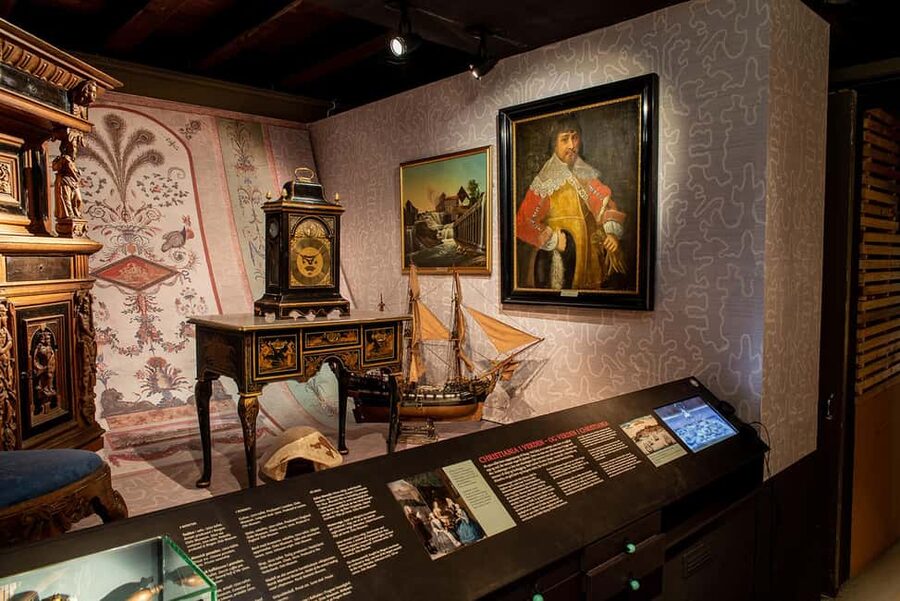
The rules are worth knowing because they affect how easy your visit feels. The museum states that baby strollers are not allowed, and also that food and drinks, bikes, and backpacks are not allowed.
At the same time, there are practical options:
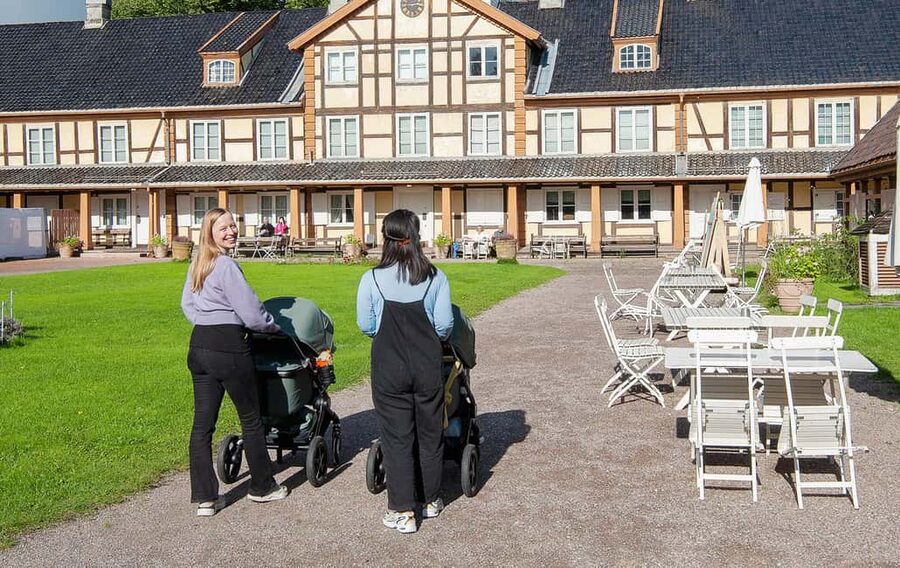
- You can park strollers in the courtyard outside the museum entrance.
- You can borrow strollers for use in the exhibition.
So the key is this: expect that personal stroller use inside galleries may be restricted, but you have ways to make it workable. If you are traveling with a stroller, plan to keep it easy. Use the courtyard parking option, and ask about borrowing a stroller for the exhibition if that applies to your situation.
For bags and backpacks, plan light. If you usually carry a heavy day pack, you may need to rethink your setup or leave items behind. The museum rules are clear enough that you should not show up assuming you can bring everything in.
Getting the most from your self-guided visit
This is a self-paced museum experience, and that can be a good thing. With guided tours only in Norwegian, you will likely be relying on your own pace and the museum’s exhibit signage and displays.
Here’s how to get value quickly:
- Start by identifying the big themes. For Museum of Oslo, look for the connections between urban development and today’s issues.
- In the Theatre Museum, slow down around the original costumes and stage design models. Those objects reward closer viewing.
- Use the café as your checkpoint. If you start the day rushed, stop at the café once you’re halfway through and reset.
One more practical tip: plan your day around the hours. Since closing times are fixed, it is better to aim for a morning or early afternoon entry. That way you can explore both areas without feeling like you must choose between them.
Mobility access: step-free movement and borrowing wheelchairs
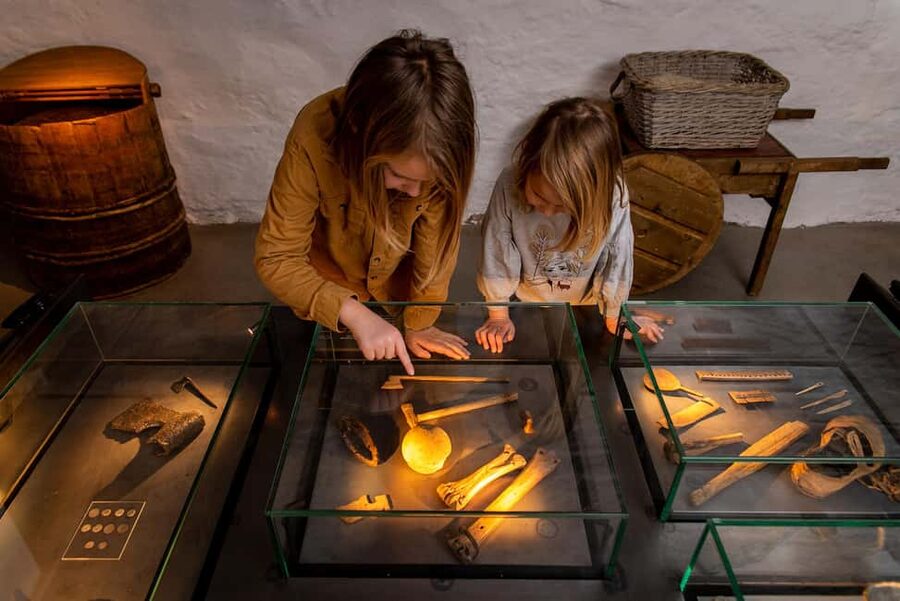
If you have mobility needs, this museum is set up with real support. The site is wheelchair accessible, and it states that you can access exhibits through elevator and/or step-free access.
It also says wheelchairs are available to borrow during your visit, and there is an accessible toilet. That is helpful if you do not want to bring your own chair or if your transport plan is complicated.
If you are visiting with a wheelchair, it helps to think of it as a smooth logistics day, not just an exhibit day. Aim to arrive when you are fresh, use elevator routes confidently, and schedule enough time that you do not feel forced to rush.
Value for money: what you actually get for the price
Yes, it costs money. Adults are NOK 120, students NOK 60, and under 26 is free. There is also free admission for everyone on the first Thursday of the month.
The best value angle here is simple: you are paying for access to two focused museum experiences in one ticket. You’re getting both the city context of Oslo and the theatre heritage with original objects like costumes, props, photos, and stage design models. For a one-day outing, that’s a lot of thematic ground for a single entry.
If you are a student, the price drops meaningfully, so it becomes an easy yes. If you are under 26, the ticket is free in general, which makes this a no-brainer if you want a calm indoor day that still feels cultural and specific.
Even if you are paying the adult price, I think it is worth it if your travel style includes museums that connect past and present. The Museum of Oslo part in particular aims to connect history and current issues, which is where many city-history museums feel more relevant than rote chronology.
Should you book this museum ticket?
Book this ticket if:
- You want a one-day plan that covers both Oslo’s city story and its theatre heritage.
- You like original objects, especially costumes, props, photos, and stage design models.
- You want a museum day with a built-in break option through the café and craft-focused gift shop.
- You prefer a self-guided pace, without depending on tours in a specific language.
Skip it or think twice if:
- You strongly dislike older museum interiors and you feel easily bothered by the look and condition of spaces.
- You want a guided tour in English or another language, since guided tours are only in Norwegian.
- You plan to carry a full backpack or bring food and drinks, because those are not allowed.
If your ideal Oslo day is calm, indoor, and thoughtful, this is a solid choice. It gives you two different ways to understand the same city, and Frogner Manor makes the setting feel like you are visiting something more than just a museum checklist item.
FAQ
What is included in the ticket?
The ticket includes entrance to both the Museum of Oslo and the Theatre Museum, plus access to exhibitions on Oslo’s history, urban development, and theatre history. You also have access to the café and gift shop.
Where are the museums located?
They are located at Frogner Manor in Frogner Park.
What is the nearest tram station?
The nearest tram station is Frogner plass.
How long is the ticket valid?
The ticket is valid for 1 day.
What are the opening hours?
Tue/Wed/Fri/Sat/Sun: 11am to 4pm. Thu: 11am to 6pm.
How much does it cost?
Adults: NOK 120. Students: NOK 60. Children and youth under 26: free admission. There is also free admission for everyone on the first Thursday of the month.
Are guided tours included?
A guided tour is not included, and guided tours are only in Norwegian.
Is the museum wheelchair accessible?
Yes. The museum and exhibitions are accessible through elevator and/or step-free access. Wheelchairs are available to borrow, and an accessible toilet is available.
What items are not allowed?
Baby strollers, food and drinks, bikes, and backpacks are listed as not allowed. Strollers can be parked in the courtyard outside the entrance, and strollers for use in the exhibition can be borrowed during your visit.
Newly marked on the map for Oslo
- Oslo: WWII History Private Walking Tour★ 5.0 · 1 review
- Oslo: All-Inclusive Self-Guided Kayaking & Camping Adventure★ 5.0 · 1 review
- Stand up paddleboard adventure in Leangbukta★ 5.0 · 1 review
- Kayak and Canoe Tour in Lake Bogstad★ 5.0 · 1 review
- Oslo All Inclusive Private Walking Tour★ 5.0 · 1 review
- Sightseeing Private Tour of Oslo and Viking Ship Museum★ 5.0 · 1 review
- 3days tour to Flåm-næroyfjord(or Preikstolen Hiking)-Bergen★ 5.0 · 1 review
- Departure Private Transfer from Oslo City to Oslo Airport OSL by Luxury Van★ 5.0 · 1 review
Museums, compared.
Troll Museum Entry Ticket with AR Media Experience
Read our review →

Aksla-Alnes-Giske-Sunnmøre museum 100 % Highlights 4.5 H
Read our review →Browse the lists this tour appears in