
Reviewed · MUSEUMS
Oslo Museum: Frogner Manor Guided Tour
Frogner Manor feels like a quick time jump. I like how the tour stays focused on real rooms and period details from 1750–1900, and I also like the specific highlights, like Bernt Anker’s ballroom from the 1790s and portraits connected to Asta Nørregaard. One thing to plan around: there’s no elevator, so expect stairs and a less comfortable visit if mobility is an issue.
You’ll get a live English guide who shares small stories as you move through the first and second floors, including notes about the manor’s earlier owners. Best of all, your ticket does not stop at the manor, you also get entry to other exhibitions at the Museum of Oslo and the Theatre Museum.
In This Review
- Key things to know before you go
- Why Frogner Manor Works So Well in 30 Minutes
- What You’ll See: Halls and Rooms on the First and Second Floors
- Bernt Anker’s Ballroom: The Highlight Room You’ll Want Photos For
- Asta Nørregaard Portraits: How Faces Make the Estate Feel Human
- Christiania in the 19th Century: Landscape Paintings You Can Actually Use
- The Guide Factor: Small Anecdotes That Make It Stick
- Where to Start in Frogner Park, and How to Get There Smoothly
- Price and Value: When $13 Feels Fair
- Rules You’ll Want to Know Before You Show Up
- Who This Tour Fits Best
- Should You Book This Frogner Manor Guided Tour?
- FAQ
- How long is the Oslo Museum Frogner Manor guided tour?
- What areas of Frogner Manor does the tour include?
- Is the tour wheelchair accessible or does Frogner Manor have an elevator?
- Where do I check in before the tour starts?
- What is included with my ticket besides the Frogner Manor tour?
- Are baby strollers, food, bikes, or backpacks allowed?
- Is it possible to reserve now and pay later, and can I cancel?
Key things to know before you go
- 30-minute guided tour focused on the main house, with time-efficient pacing
- First and second floors only, so you will feel the building is a proper manor
- Bernt Anker’s ballroom (1790s) is a named highlight, not just a vague “nice room”
- Portraits by Asta Nørregaard and multiple 19th-century works from Christiania
- Included museum access to the Museum of Oslo and the Theatre Museum
- Check in at the museum shop in the visitor center before you start the tour
Why Frogner Manor Works So Well in 30 Minutes
If you only have a small window, this tour is a smart use of it. Thirty minutes sounds short, but it is built for a guided route through the manor house rather than a long free-for-all. You come in, you get orientation, then you walk from room to room with a guide keeping the story straight.
I also like the way the focus stays on the manor itself. Instead of making you sort through a pile of displays, you get a short sequence of rooms and the guide points out what matters. That matters in museums, because your attention is a limited resource while you are traveling.
The other value angle is your ticket includes more than one stop. While Frogner Manor is the main draw, you also get entry to other exhibitions at the Museum of Oslo and the Theatre Museum. If you like to build a visit around one main anchor, this combination helps.
What You’ll See: Halls and Rooms on the First and Second Floors
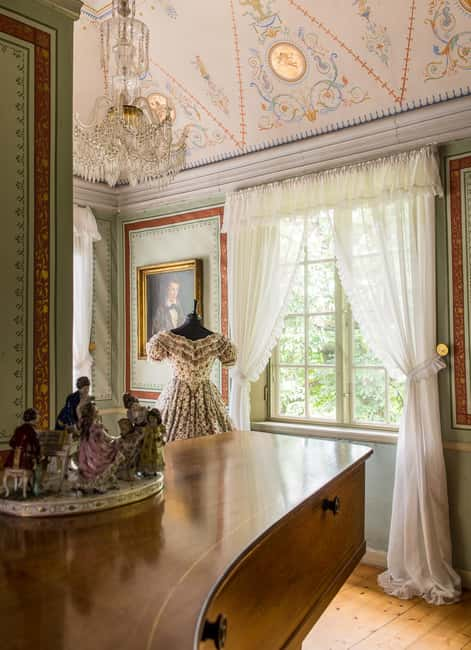
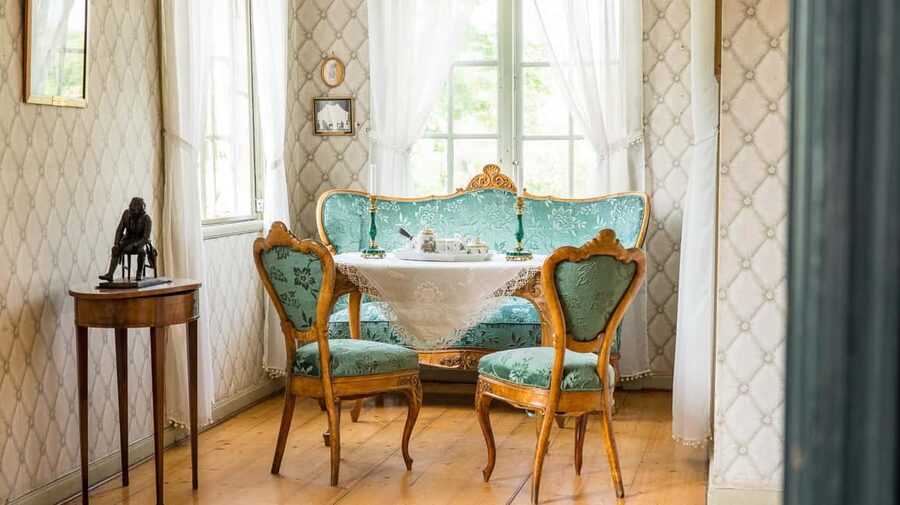
Inside Frogner Manor, you are looking at interiors from 1750 to 1900. That range is useful because it gives you a sense of how tastes and lifestyles changed across the 18th and 19th centuries, rather than freezing the place in one single moment.
The tour covers the first and second floors. Expect to move through halls and rooms where you can see furniture, portraits, artworks, and landscapes from the Oslo Museum collections. In other words, you are not just reading captions. You are using the rooms as a “stage” for understanding what life at the estate looked like.
A practical note that affects your comfort: there is no elevator. If you are bringing anyone with limited stamina, stairs will be the limiting factor. There is also no wheelchair accessibility, so plan for a route that matches your group’s mobility.
More Norwegian halls and collections:


Bernt Anker’s Ballroom: The Highlight Room You’ll Want Photos For
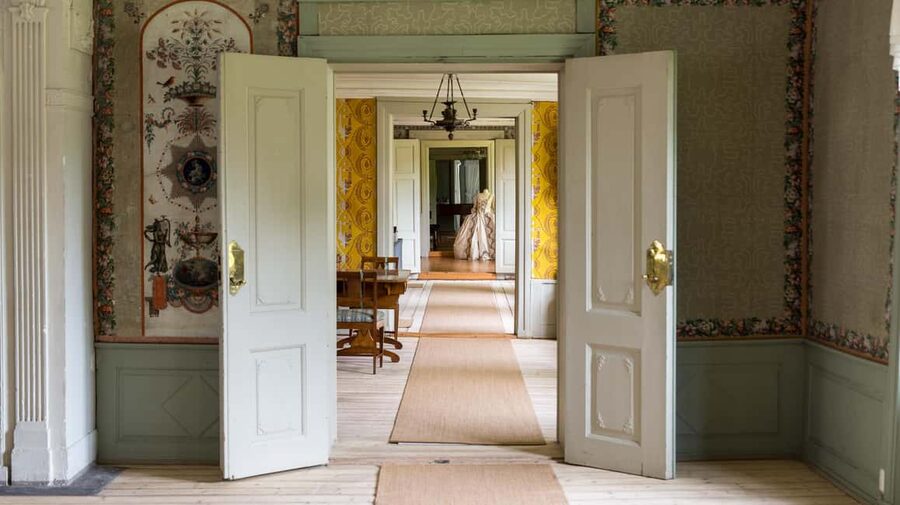
One of the most specific moments on this tour is Bernt Anker’s ballroom, from the 1790s. That detail is gold because it gives you a clear time anchor. When the guide points it out, you are not guessing whether it belongs to the right era. You can actually picture how the room would have worked for gatherings in that period.
Ballrooms can be tricky in museums, because sometimes they get treated like wallpaper. Here, the tour setup helps you pay attention to the room as an experience, not just a space. You get to see the ballroom as part of the manor’s story, alongside other rooms and artworks, so the building feels coherent.
If you enjoy decorative interiors, keep your camera ready but do not rush. The guide’s rhythm matters, so take a few shots, then stay close enough to hear the explanations.
Asta Nørregaard Portraits: How Faces Make the Estate Feel Human
The tour also includes several portraits by Asta Nørregaard. Portraits are one of the fastest ways to make historic interiors feel personal, because they give you people to connect with. Instead of everything being about objects and architecture, you get faces, presence, and the sense that real families and visitors moved through these rooms.
I like how the tour pairs portraits with other types of works, like furniture and landscapes. You are not stuck in one category. You see a wider “ecosystem” of the manor’s material culture, which helps the place feel like a lived-in home rather than a staged exhibit.
Also, the guided format helps with portraits because you can ask your brain to look for cues. Even without extra instructions from you, a good guide tends to point out what to notice, like how the portraits sit within the room and why they matter to the manor’s story.
Christiania in the 19th Century: Landscape Paintings You Can Actually Use
This tour includes numerous 19th-century landscape paintings connected to Christiania. That matters because Christiania is the historic name associated with Oslo, so you are essentially getting an artistic window onto the city’s earlier identity.
Landscape paintings can sometimes feel like background decoration when you are not sure what you are looking at. Here, because the paintings are presented inside the manor tour route, they sit in context. You are seeing them as part of the estate’s visual world, not as random art on a wall.
If you like to “read” a room, treat these paintings like visual documents. Use them to imagine what people valued in that era, and how the idea of place and scenery fit into life at the manor.
Where the path branches next in Oslo
- Oslo: Oslo Fjord Sightseeing Cruise by Sailing Ship
★ 4.5 · 5,790 reviews - Oslo: Scenic Fjord Cruise with Audio Guide Commentary
★ 4.5 · 5,375 reviews - Oslo Nature Walks: Island Hopping Tour
★ 4.8 · 2,713 reviews - Oslo: 24 or 48-Hour Hop-On Hop-Off Sightseeing Bus GrayLine
★ 4.0 · 2,088 reviews
The Guide Factor: Small Anecdotes That Make It Stick
The strongest signal from the available feedback is that the tour delivers real explanation, plus small anecdotes about earlier owners. I find that combination is what turns a museum visit from facts into understanding.
In practice, that means the guide does more than point out what is on display. The guide gives context, and the little stories about previous owners help you connect the rooms and artworks to actual people and decisions. That is especially valuable in places like Frogner Manor, where you are walking through multiple rooms with period interiors from 1750 to 1900.
Also, the guide is described as nice and well-informed. That matters because guided tours can swing either way, either mechanical and rushed, or friendly and clear. For a 30-minute format, you want clarity, and you want the guide to keep things moving without flattening the story.
Where to Start in Frogner Park, and How to Get There Smoothly
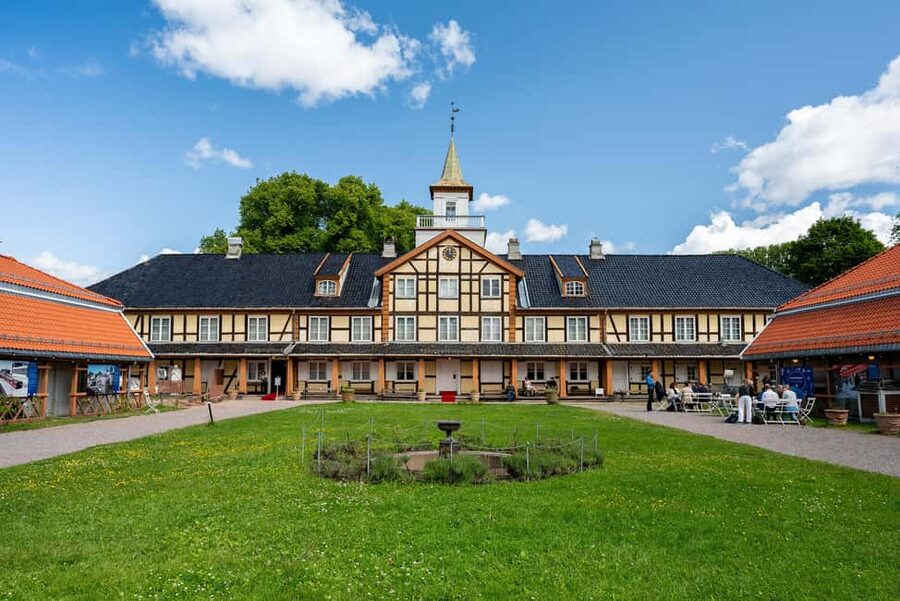
Frogner Manor sits in Frogner Park, together with the Museum of Oslo and the Theatre Museum. If you are already walking around the park, you will spot the old building from the green space.
Your nearest tram station is Frogner plass. That is convenient if you are doing Oslo in a hop-on, hop-off way or you are balancing this stop with other sights nearby.
On arrival, check in at the museum shop in the visitor center. This is your best bet to avoid confusion about where the tour begins. Then you follow the guide and start heading up to the first and second floors.
Price and Value: When $13 Feels Fair
At about $13 per person for a 30-minute English tour, the price is reasonable if you treat it as guided access to one of Oslo’s more “in-person” interior experiences. The main thing you are paying for is not a long exhibition circuit. You are paying for a time-saving guided route through the manor rooms, plus focused attention on specific highlights.
The bigger value move is the included museum access. Your ticket also gives entry to other exhibitions at the Museum of Oslo and the Theatre Museum. So you can think of it like this: Frogner Manor is your anchored activity, then you use the same ticket to extend your day with more museum content.
If you like museums but hate feeling stuck reading alone, this format typically gives you the best payoff per minute.
Rules You’ll Want to Know Before You Show Up
A few restrictions here are simple but worth noting so you do not get caught at the entrance.
- Baby strollers are not allowed inside, but you can park them in the courtyard
- Food and drinks are not allowed
- Bikes are not allowed
- Backpacks are not allowed
You do get help for the usual travel problem: there is a cloakroom with lockers for coats, bags, and other belongings. So if you are carrying a day bag, you can store it and travel lighter through the manor rooms.
This is one of those tours where comfort comes from preparation. Light bag, store what you need, and you will spend your time looking at rooms and art instead of wrestling with what you can bring.
Who This Tour Fits Best
This guided tour is a good match if you want historic interiors with a short guided storyline. I would especially recommend it if you:
- enjoy art and portraits as part of a place’s story
- like specific highlights, like Bernt Anker’s ballroom and the Asta Nørregaard portraits
- want a quick, structured visit that does not swallow your whole afternoon
- prefer an English live guide
If you or someone in your group relies on wheelchair access, you should skip this one. There is no elevator and the tour is not accessible for wheelchair users.
Should You Book This Frogner Manor Guided Tour?
Yes, book it if you want a focused, 30-minute guided look at Frogner Manor’s interiors from 1750–1900, with clear named highlights and a guide who shares small, story-based context. The included entry to the Museum of Oslo and the Theatre Museum makes it easier to stretch your ticket into a fuller museum block.
Skip it if stairs and limited accessibility are a deal-breaker. Also, if you prefer total freedom and you hate rules about bags, this may feel a bit strict, though the cloakroom lockers do help.
If you are planning a half-day around Frogner Park, this is one of those simple add-ons that can give you a lot of atmosphere without taking over your schedule.
FAQ
How long is the Oslo Museum Frogner Manor guided tour?
The tour duration is 30 minutes.
What areas of Frogner Manor does the tour include?
The guided tour covers the first and second floors of Frogner Manor.
Is the tour wheelchair accessible or does Frogner Manor have an elevator?
No. There is no elevator, and the tour is unfortunately not accessible for wheelchair users.
Where do I check in before the tour starts?
Check in at the museum shop in the visitor center when you arrive at Frogner Manor.
What is included with my ticket besides the Frogner Manor tour?
Your ticket also includes entry to other exhibitions at the Museum of Oslo and the Theatre Museum.
Are baby strollers, food, bikes, or backpacks allowed?
Baby strollers are not allowed inside, but you can park them in the courtyard. Food and drinks, bikes, and backpacks are not allowed.
Is it possible to reserve now and pay later, and can I cancel?
Yes. You can reserve now and pay later, and free cancellation is available up to 24 hours in advance for a full refund.
Newly marked on the map for Oslo
- Oslo: WWII History Private Walking Tour★ 5.0 · 1 review
- Oslo: All-Inclusive Self-Guided Kayaking & Camping Adventure★ 5.0 · 1 review
- Kayak and Canoe Tour in Lake Bogstad★ 5.0 · 1 review
- Stand up paddleboard adventure in Leangbukta★ 5.0 · 1 review
- Oslo All Inclusive Private Walking Tour★ 5.0 · 1 review
- Sightseeing Private Tour of Oslo and Viking Ship Museum★ 5.0 · 1 review
- 3days tour to Flåm-næroyfjord(or Preikstolen Hiking)-Bergen★ 5.0 · 1 review
- Departure Private Transfer from Oslo City to Oslo Airport OSL by Luxury Van★ 5.0 · 1 review
Museums, compared.


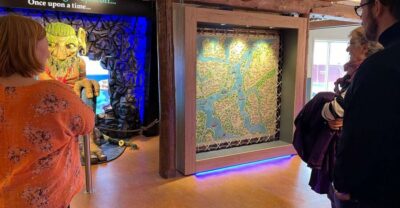
Troll Museum Entry Ticket with AR Media Experience
Read our review →

Aksla-Alnes-Giske-Sunnmøre museum 100 % Highlights 4.5 H
Read our review →Browse the lists this tour appears in