
Reviewed · MUSEUMS
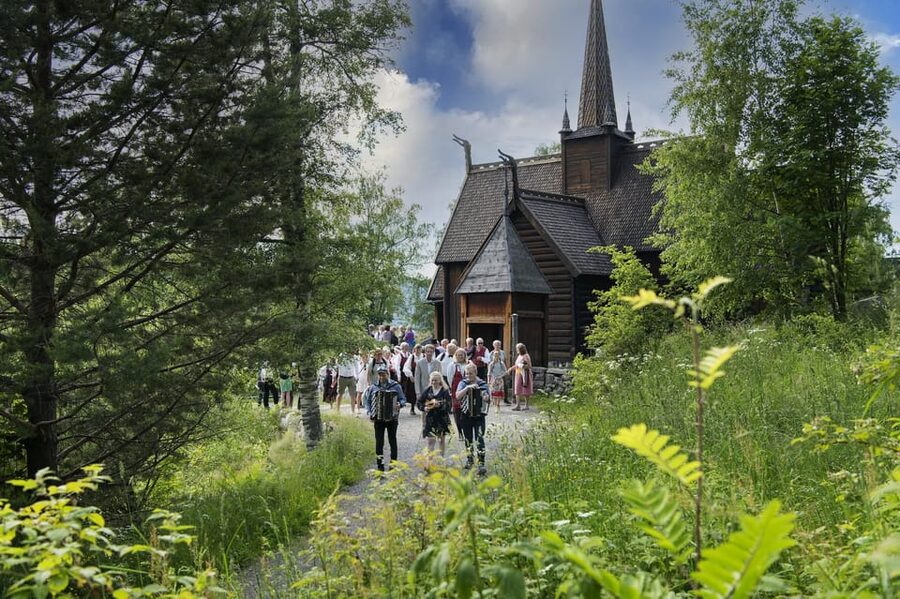
Maihaugen Museum/The Norwegian Olympic Museum, Lillehammer.
A museum where buildings time travel on their own. Maihaugen in Lillehammer is Norway’s biggest open-air museum, and pairing it with the Norwegian Olympic Museum makes the day feel bigger than its one ticket price. I especially love the Garmo stave church from the 1200s and the way the site mixes outdoor farm life with indoor exhibits. The one catch is that in the off season, you may find fewer open-air buildings accessible, so you will want a flexible plan and prioritize the indoor areas.
I also like that you can shape the day for your pace, from medieval-style timber buildings to farms from the 16th and 17th centuries and houses from the 1900s. You’ll get a true all-in-one cultural stop, with indoor exhibitions plus the summer-only Norwegian Postal Museum and even a Christmas Market during Advent weekends. Just remember, this is a lot of walking and looking, so wear shoes you trust.
In This Review
- Key highlights worth building your day around
- Maihaugen and the Olympic Museum: what this ticket really gives you
- Start at the Visitor Center, then pick a practical route
- The open-air museum: stave church, mountain farms, and 400 years of change
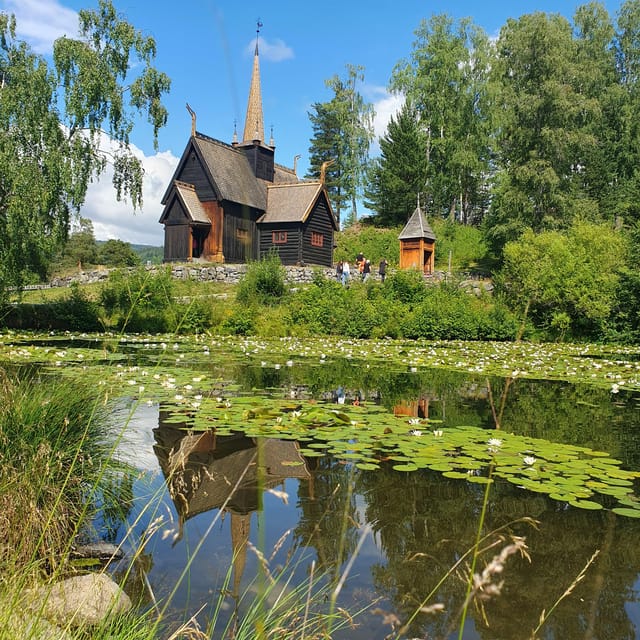
- Garmo stave church, built for centuries
- Old farms from the 16th and 17th centuries
- Homes and buildings from the 1900s
- Traditional crafts and summer acting hosts
- Indoor exhibitions: Impulses and We won the land when you need context
- Norwegian Olympic Museum: sports history that starts long ago and lands close
- How to get the most out of it
- A good pairing with open-air history
- Postal Museum in summer: the old train and a surprising angle on Norway
- Christmas Market during Advent: a seasonal reason to go
- Cafeteria, breaks, and pacing a one-day ticket
- Price and value: why $19 can work for many budgets
- Who this fits best, and who should adjust expectations
- Should you book Maihaugen and the Olympic Museum?
- FAQ
- How long does the Maihaugen and Norwegian Olympic Museum visit take?
- How much is the ticket?
- What is included with the ticket?
- Is the Norwegian Postal Museum included year-round?
- Where do I meet for the activity?
- Is this experience wheelchair accessible?
Key highlights worth building your day around
- Garmo stave church (1200s): a standout historical structure that anchors the open-air experience
- 200+ buildings across eight centuries: outdoor history you can actually move through
- Indoor exhibitions like Impulses and We won the land: best when weather changes your plans
- Norwegian Olympic Museum focus: Oslo 1952 and Lillehammer 1994, with interactive elements and films
- Norwegian Postal Museum in summer: including an old train with a postal carriage
- Christmas Market first weekend of Advent: adds craft stalls and decorated historic houses
Maihaugen and the Olympic Museum: what this ticket really gives you
Maihaugen is set up like a living history lesson, except you are doing the walking. The site covers Norway’s past across eight centuries with more than 200 buildings, plus indoor exhibitions. It is not just a museum where you stand back and look. You move through farms, homes, and worksites, and the buildings give you scale for daily life.
What I like about the pairing is the contrast. After you’ve spent time with stave churches and old farm structures, you switch to sport and national moments at the Norwegian Olympic Museum. It is an easy rhythm shift for a day trip, especially if you are traveling with a mixed group that includes both history fans and people who prefer stories with athletes at the center.
The value comes from the fact that the ticket is not single-theme. You are getting open-air history, indoor context, and two museum experiences in one place. And for families, it also makes planning simpler because most of what you want to do is on the same grounds.
Start at the Visitor Center, then pick a practical route
Go to the Visitor Center first. That is where the counter is, and where the hosts meet you. From there, you can get your bearings, then decide which areas to prioritize. Since this is a full-day ticket, you do not want to spend the first hour wandering without a plan.
Here is a practical way to structure it:
- Begin in the open-air museum while you have energy for outdoor paths and building-to-building stops.
- Then shift indoors for the Olympic Museum and indoor exhibitions if the weather turns or you want a slower pace.
- Finish with the summer-only Norwegian Postal Museum if it is open on your dates.
Also, you will notice the site is designed so you can do different depths. If you only have a shorter window, focusing on the “big anchors” like Garmo stave church and the Olympic Museum still makes the day feel complete. If you have more time, the decade-by-decade houses of the 1900s and the farm buildings reward a slower approach.
The open-air museum: stave church, mountain farms, and 400 years of change
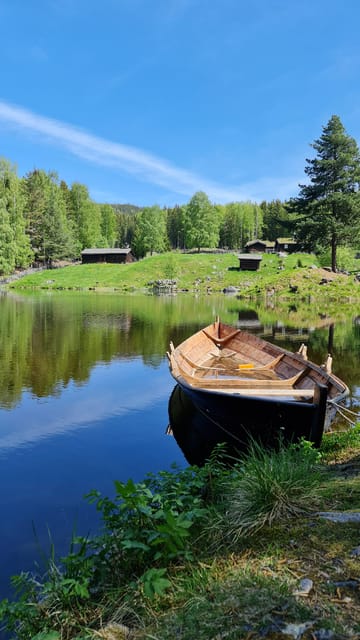
Maihaugen’s outdoor side is the main event. The highlights are spread across eras, and the trick is to let the timeline build naturally as you walk.
Garmo stave church, built for centuries
One of the big standouts is Garmo stave church from the 1200s. Even if you do not know much Norwegian medieval architecture yet, you can feel why it matters. It is a rare survival, and it instantly gives you a sense of how old the site’s stories go.
Old farms from the 16th and 17th centuries
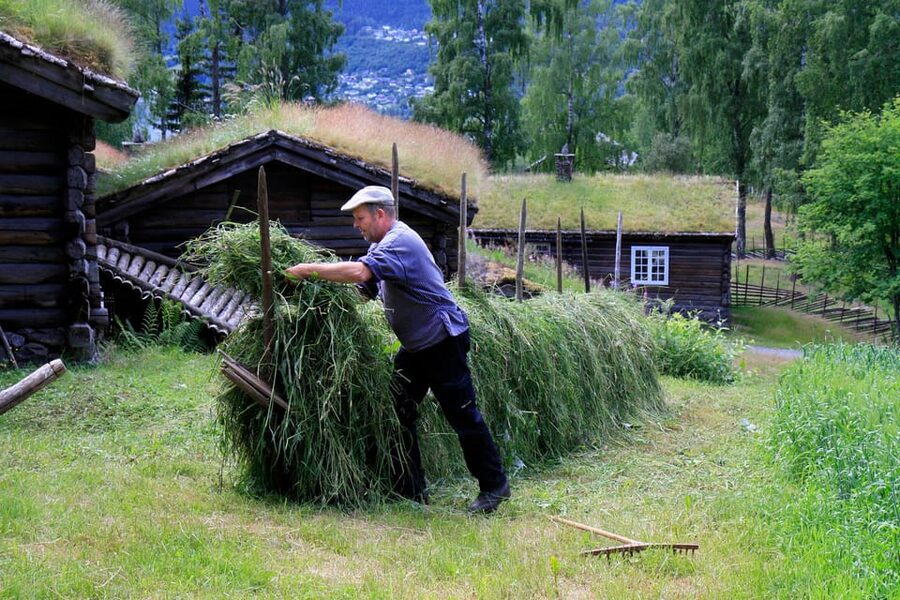
Next, you get the older farm structures. These old farms help you understand how food, land, and survival shaped everyday life. The museum uses real buildings to show the difference between eras, so you are not just reading about history. You are seeing the physical results of changing tools, housing needs, and farming routines.
Homes and buildings from the 1900s
Then the outdoor route moves into the 20th century, including houses arranged by decades. This is one reason the place works for people who want more recent history too. You can compare how living space and everyday details evolved over time, without needing a separate museum ticket.
Traditional crafts and summer acting hosts
During summer, you may also encounter actors and hosts in historic houses. That helps the buildings stop feeling like static objects and start feeling like places where real life happened. You might also see traditional crafts on display, which adds a hands-on layer to what you are observing.
The practical consideration: the open-air museum is best when it feels like a stroll you chose. In colder or wetter months, many buildings may be closed, and you may feel like you are doing more “window peeking” than exploring. If that is your travel timing, lean on the indoor collections to carry the visit.
Indoor exhibitions: Impulses and We won the land when you need context
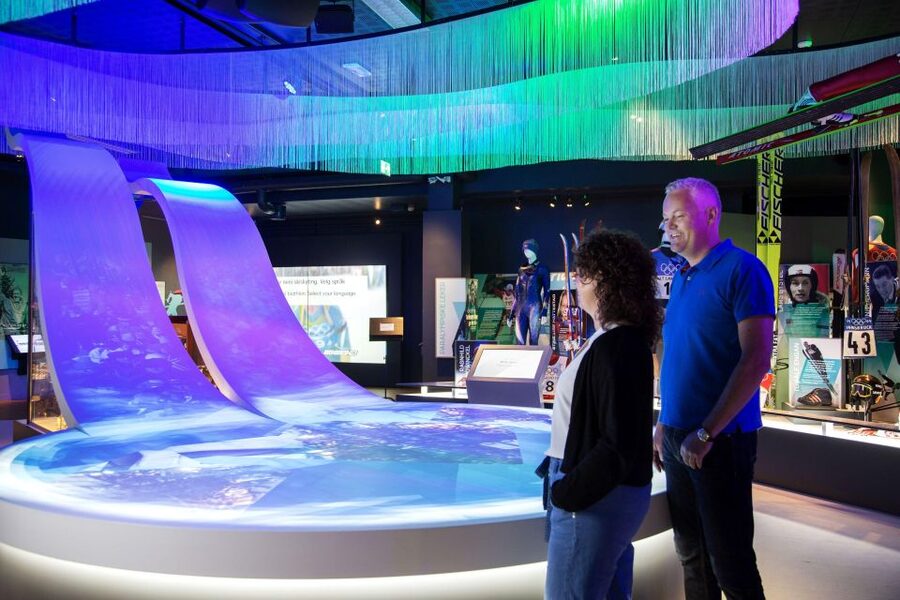
Maihaugen also has indoor exhibitions, which are a smart bet for any day in Lillehammer. They help you connect the outdoor buildings to wider stories about Norway’s culture and development.
Two named exhibitions you should look for are:
- Impulses
- We won the land
The value of indoor exhibits is simple: they give you explanations and timelines without asking you to interpret everything on your own. Outdoors, you can spend a lot of time noticing details. Indoors, you get the structure that tells you what those details mean.
I also like that indoor spaces make the day feel less exhausting. Even if you start outdoors in the morning, a mid-day switch indoors can reset your focus. It is a good way to avoid the classic museum problem where you rush the last hour because your legs are done.
Norwegian Olympic Museum: sports history that starts long ago and lands close
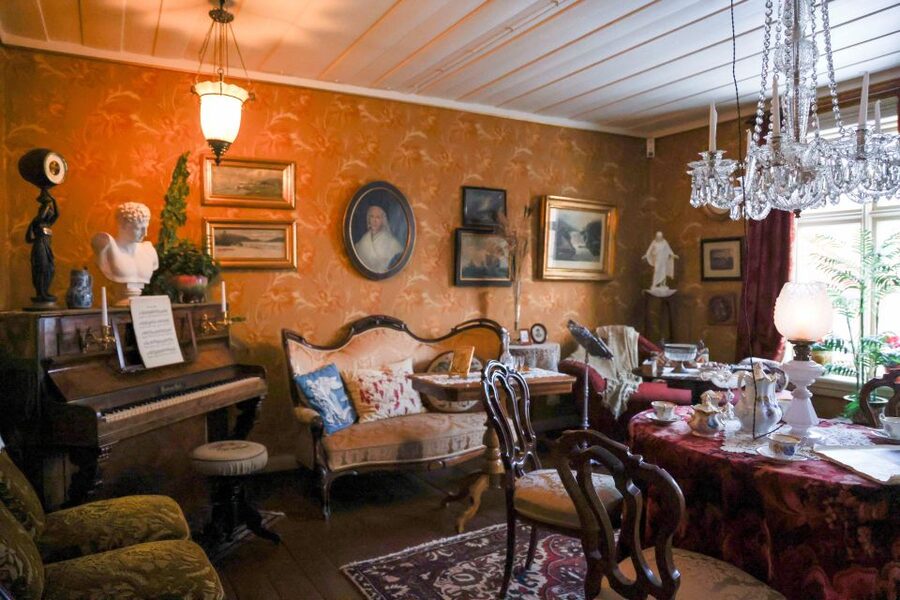
The Norwegian Olympic Museum sits on the same site, which is a win for planning. It covers Olympic history from ancient times to the present, but it puts special emphasis on Norway’s two key Olympic moments: Oslo 1952 and Lillehammer 1994.
What makes this museum work, in my view, is that it does not treat Olympic success like a list of results. It uses original objects, interactive installations, and films to bring big moments to life. The result is that you can understand both the sports side and the national story side without needing to already be an Olympic expert.
How to get the most out of it
Spend time with the interactive sections instead of only reading. The museum is described as modern and engaging, so it is built for learning through doing. And because the focus is narrowed to Norway’s own Olympic highs, it tends to feel relevant even if you are not a hardcore sports fan.
A good pairing with open-air history
There’s also a mood benefit. After you’ve been surrounded by historical buildings and farm structures, the Olympic Museum gives you a different kind of heritage, one tied to training, teamwork, and a Norway that performs on the world stage. It is a satisfying shift for a one-day itinerary.
Postal Museum in summer: the old train and a surprising angle on Norway
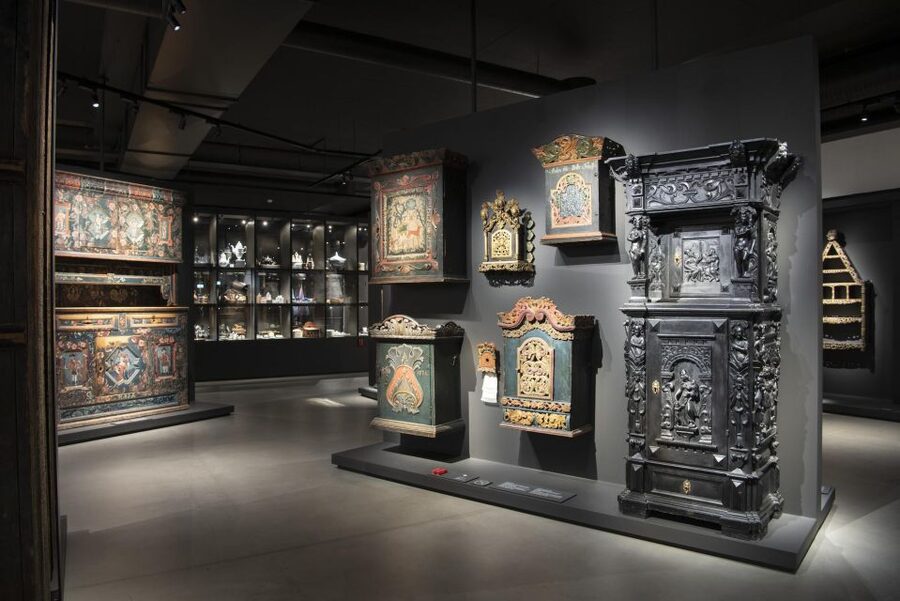
In summer, the Norwegian Postal Museum is included in the ticket. It preserves and shares postal history and offers exhibitions that fit well with the rest of Maihaugen’s culture focus.
A standout element is an old train with a postal carriage. That detail matters because you are not just learning how communication worked in theory. You are seeing a piece of the infrastructure that made messages possible across distance.
If your travel dates fall outside summer, you might miss this part because the Postal Museum is listed as summer only. In that case, I’d treat the open-air museum plus the Olympic Museum as the core, and let postal history be the bonus when it is available.
Christmas Market during Advent: a seasonal reason to go
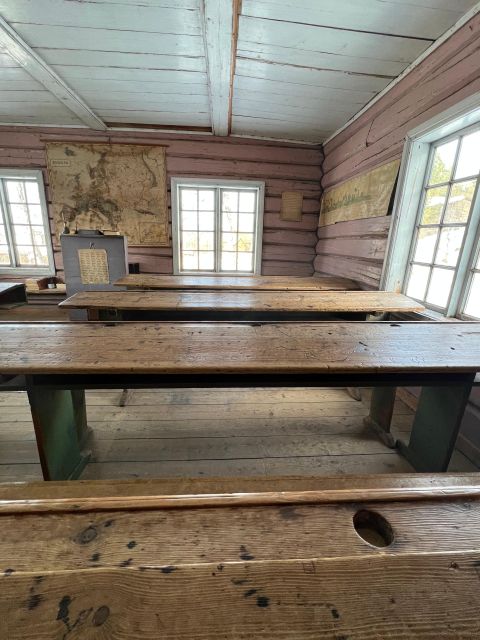
Maihaugen has a Christmas Market during the first weekend of Advent. If you visit around that time, it adds a whole other layer to the day.
You can expect Christmas shopping and decorated houses from different historic periods. There are also stalls with Norwegian crafts, handmade products, local food, and Christmas decorations. The museum’s historic setting makes this feel more like a themed stroll through Norway’s past and present traditions, not just a standard market.
If your goal is winter holiday vibes plus history, this timing can be a big deal. If you are visiting for Olympic or educational content, you can still enjoy the market, but it may shift your attention and crowd flow.
Cafeteria, breaks, and pacing a one-day ticket
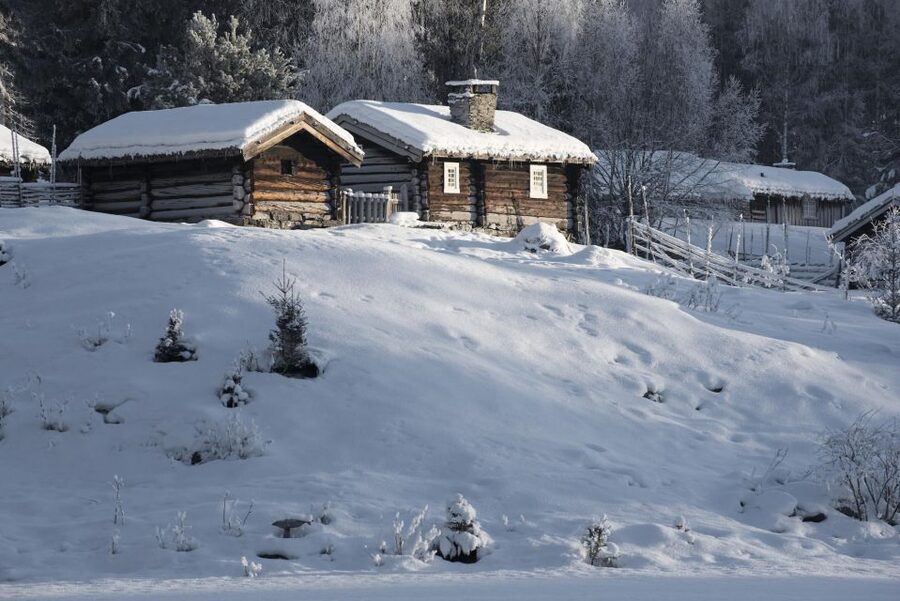
Food is not included, but the good news is that you do have options. There is a cafeteria in the main building that is open all year round. In summer, there are additional places to eat around the grounds.
My practical advice: plan one main sit-down break, then do smaller snack stops as needed. With a site that includes outdoor buildings and indoor museums, you want to prevent the last third of the day from turning into museum survival.
Also keep time for the museum shop. It is described as offering a diverse selection of quality design products. That is often the easiest place to buy a thoughtful souvenir that does not feel like airport filler.
Price and value: why $19 can work for many budgets
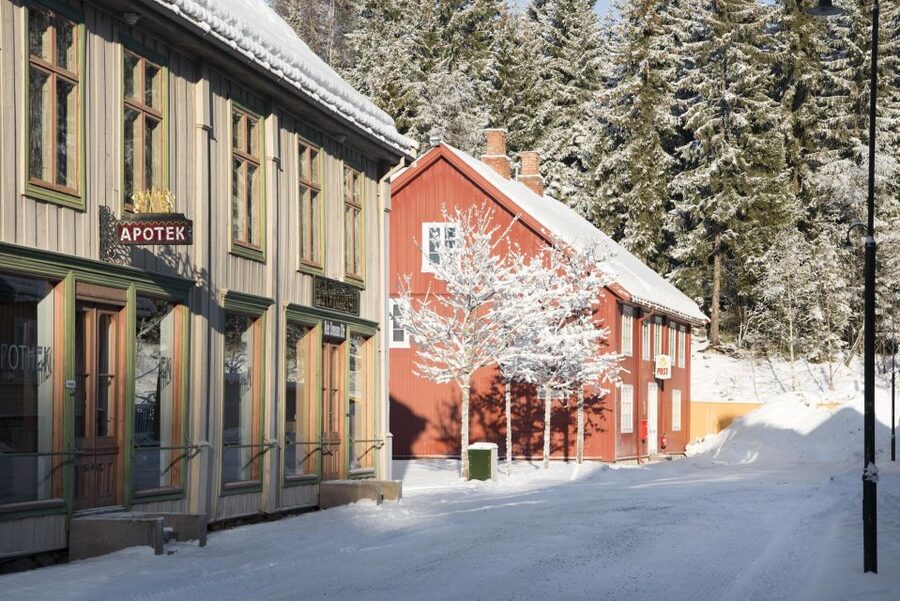
The price is listed as $19 per person, and that matters because the ticket covers multiple components:
- Entrance to the Maihaugen open-air museum
- Entrance to indoor exhibitions
- Entrance to outdoor exhibitions (varies by season)
- Entrance to the Norwegian Olympic Museum
- Entrance to the Norwegian Postal Museum (summer only)
Food and transportation are not included, so you will still want some extra budget for meals and getting to and from the site. But the value math is solid when you consider how you would normally pay for separate admissions. Here, you are buying a combined day that can cover history, sport, and postal culture.
The biggest value tip is seasonal. If your visit happens in a time when many outdoor buildings are open, you get more of what you came for. If not, you still have strong indoor anchors like the Olympic Museum and the indoor exhibitions, so the ticket is not wasted.
Who this fits best, and who should adjust expectations
Maihaugen works well for:
- Families who want outdoor exploration plus indoor “escape from weather” stops
- History lovers who like architecture, rural life, and time periods laid out in real buildings
- Sport fans, especially if you care about Norway’s Olympic moments in Oslo 1952 and Lillehammer 1994
- People who like cultural topics beyond the obvious, like postal history by summer
It may feel less ideal if:
- You are visiting in a period when outdoor access is limited, and you hate museums where you are mostly looking through windows
- You want a very short, low-walking experience, because this is a full site with many buildings and paths
If you do fall into the second group, your best move is to prioritize the indoor offerings and the most important outdoor highlights like the stave church. Treat the open-air museum as the bonus layer rather than the only mission.
Should you book Maihaugen and the Olympic Museum?
Yes, I’d book it if you are spending a day in Lillehammer and you want real variety in one place. The combination of open-air history plus the Norwegian Olympic Museum makes the ticket feel purposeful, not like you are juggling separate stops across town. For summer dates, the added Norwegian Postal Museum is a nice extra, and for early Advent dates, the Christmas Market can turn the day into something special.
Before you commit, match your expectations to the season. If you are visiting in winter months, go in knowing that outdoor access may be reduced, and let the indoor exhibitions and Olympic Museum carry more of the experience.
If that sounds like your kind of day, Maihaugen is one of the best uses of time in the Lillehammer area.
FAQ
How long does the Maihaugen and Norwegian Olympic Museum visit take?
The activity is listed as valid for 1 day, and it is meant to be done within that timeframe.
How much is the ticket?
The price is listed as $19 per person.
What is included with the ticket?
The ticket includes entrance to the Maihaugen open-air museum, entrance to the indoor exhibitions, entrance to the outdoor exhibitions (varies by season), entrance to the Norwegian Olympic Museum, and entrance to the Norwegian Postal Museum in summer.
Is the Norwegian Postal Museum included year-round?
No. The Norwegian Postal Museum is included only in summer.
Where do I meet for the activity?
Go into the Visitor Center, where the counter is and the hosts are.
Is this experience wheelchair accessible?
Yes. The activity is wheelchair accessible.
Halls & Collections
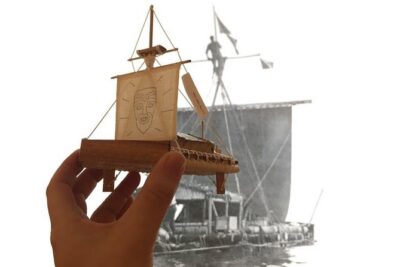
- Kon-Tiki Museum Entrance Ticket★ 4.5 · 1,096 reviews
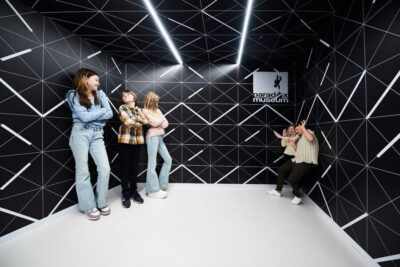
- Oslo: Paradox Museum Entry Ticket★ 4.3 · 799 reviews
- The Fram Museum Admission Ticket★ 4.5 · 490 reviews
- Oslo: Oslo Discovery Tour with 2 Museums Included★ 4.7 · 376 reviews
Museums, compared.
Troll Museum Entry Ticket with AR Media Experience
Read our review →

Aksla-Alnes-Giske-Sunnmøre museum 100 % Highlights 4.5 H
Read our review →Browse the lists this tour appears in