
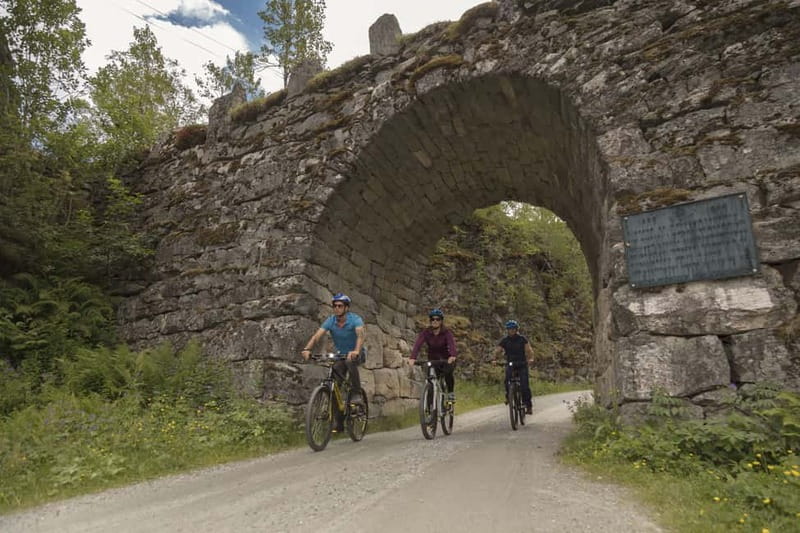
Reviewed · CYCLING TOURS
Geiranger Fjord: Downhill Self-Guided Bike Tour
Geiranger Fjord by bike is pure Norway. This self-guided downhill ride pairs a dramatic mountain start with fjord views you can actually take in at speed. It is a short day, but the scenery hits hard, especially around the famous Flydalsjuvet viewpoint.
What I love most is how naturally the ride flows, you get driven up, then you just go. I also really like the way you can set your own pace, stopping for photos without feeling rushed.
The one real drawback to plan for is that this is self-guided and the road can be busy, so you need to stay sharp. In heavy rain or poor visibility, the ride becomes more of a confidence test than a casual cruise.
In This Review
- Key things to know before you pedal
- Why the Geiranger Fjord downhill bike works so well
- Where you start: Geiranger village, safety talk, and the Djupvatnet drop
- The downhill ride: reading the road and enjoying the fjord from above
- Flydalsjuvet viewpoint stop, and photo strategy that keeps you safe
- If Djupvatnet is closed: the Eagle Bend backup plan
- Gear, weather, and what to pack for this 3 hour day
- The self-guided part: how to make it feel smooth, not stressful
- Price and value at $156 per person
- Who this downhill Geiranger ride suits best
- Should you book this Geiranger Fjord bike tour?
- FAQ
- What is the duration of the Geiranger Fjord downhill bike tour?
- Where do I meet for the tour?
- Is there a guide with you during the ride?
- What is included in the price?
- What age is the tour suitable for?
- What should I bring, and what happens in bad weather?
Key things to know before you pedal
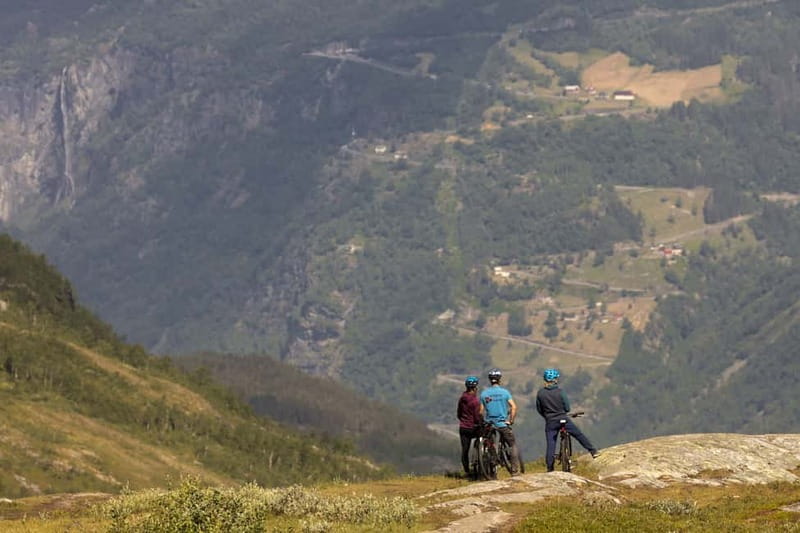
- Small group, max 8 riders means you spend less time waiting and more time moving.
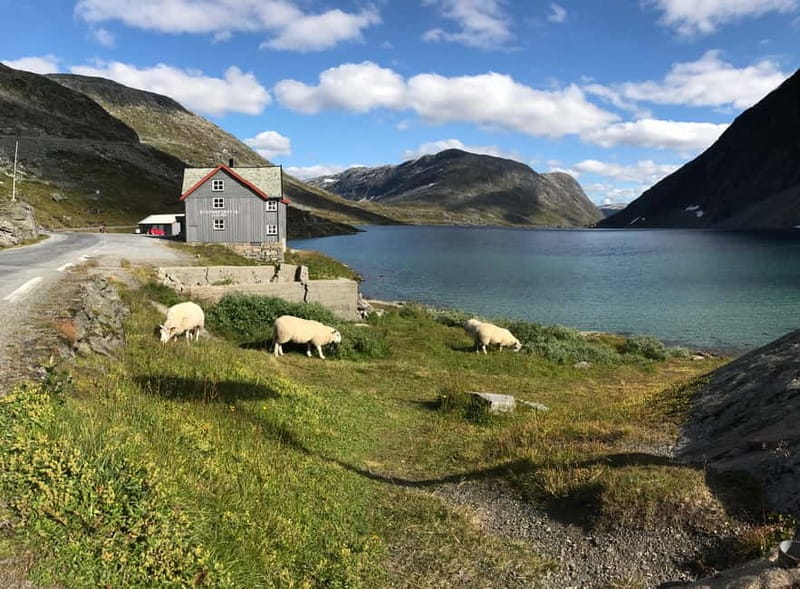
- Start at Djupvatnet Lake, about 1,030 meters for a big downhill payoff in just a few hours.
- Flydalsjuvet viewpoint is the must-stop for fjord views and classic photos.
- About 2.5 hours of cycling inside a total 3 hour experience, so it stays manageable.
- Weather dependent, with an Eagle Bend backup if the Djupvatnet road is closed.
- No guide riding with you, so you control your speed and your stops.
Why the Geiranger Fjord downhill bike works so well
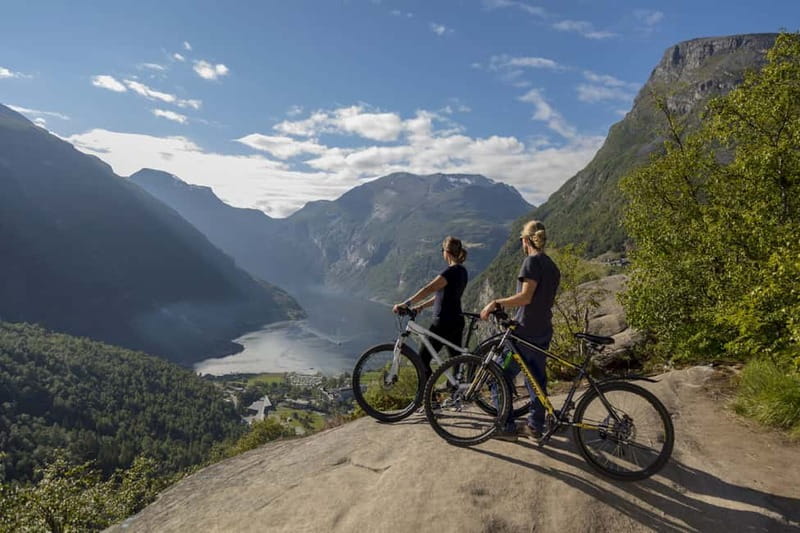
This tour makes a clever choice. Instead of asking you to climb and grind, it gives you a mountain start, then lets gravity do the heavy lifting. You get that “I can’t believe we’re doing this” feeling without needing a high-end mountain bike skill set.
The core payoff is the fjord from above. From the road, the Geiranger Fjord scenery stacks up in layers, so each turn feels like a new postcard. And because you are on a bike, you move through the view, not just around it. It is not just about getting to a point. It is about experiencing the coastline as it unwinds down the valley.
Also, the format is practical. You meet in Geiranger, get kitted out, get driven up, then you ride back down on your own schedule. The safety talk and the provided gear take the edge off the self-guided part.
Where you start: Geiranger village, safety talk, and the Djupvatnet drop
You meet at the local supplier’s office at Geirangervegen 10, right before Cafe Ole. This is one of those “easy to find” setups that matters in Norway, where parking can be tight and everyone funnels into the same handful of central streets.
Once you arrive, you get a safety talk in English and you are kitted out with the basics. Included is a bike, helmet, bicycle gloves, and a visibility vest. That sounds small, but it helps a lot. You do not have to guess what kind of riding gloves fit your hands, or whether you should bring a bright layer for cars.
Then comes the big moment. You get driven up the mountain to your starting point at Djupvatnet Lake. The elevation is listed at about 1,030 meters above sea level, which tells you the ride has real downhill energy. The higher you start, the easier it is to feel the “wow” in the first minutes instead of waiting until the final stretch.
Where the path branches next in Geiranger
The downhill ride: reading the road and enjoying the fjord from above
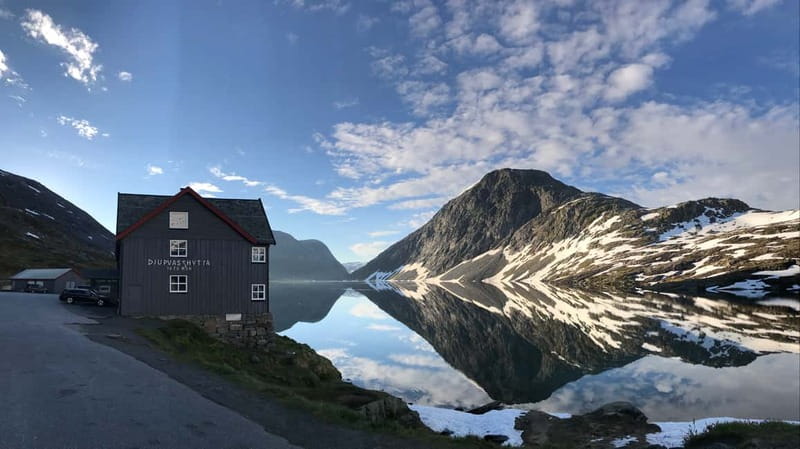
The cycling time is listed at about 2.5 hours, with the full experience taking about 3 hours. That timing matters because it helps you plan clothing and energy. This is not an all-day endurance ride, but you will feel the cool air and the wind once you start picking up speed downhill.
The roads are described as sinuous, meaning lots of curves. That is great for views, but it also means you need to treat every blind corner like it could surprise you. This is one of the reasons traffic becomes important on this route. Even when the scenery is spectacular, you still share the road with vehicles.
Here is how I would ride it, and how you’ll enjoy it most:
- Stay smooth and predictable. No sudden braking.
- Slow down early before photo stops, not at the last second.
- Keep some distance from the edge of the road if there is a shoulder that narrows in bends.
- If you stop for pictures, stop with an eye on what cars might do next.
The views from above are the whole point. You will see Geiranger Fjord from the road, and as you descend, the valley opens up. Expect the scenery to change constantly, so do not wait until the end to enjoy it.
Flydalsjuvet viewpoint stop, and photo strategy that keeps you safe
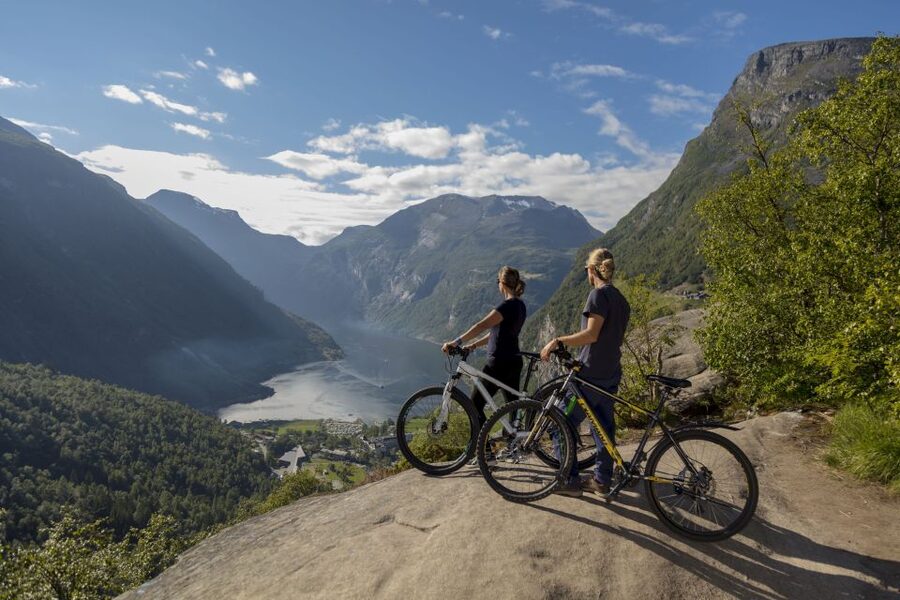
The headline viewpoint here is Flydalsjuvet. It is the place you’ll want your camera out, because this is where the fjord scene gets especially iconic.
But you should think about photo stops as a riding strategy, not just a sightseeing break. You want to stop often enough to get the shots, but not so often that you feel flustered or end up rushed back on the road.
A useful approach:
- Pick your first “quick stop” early, then gauge your comfort and pace.
- When you stop, pick a spot where you can stand out of the riding line and still re-mount quickly.
- Take a few photos, then move. You are on a schedule, and the road can get busy.
A couple of the reviews stressed exactly this point: the route is scenic enough that you’ll want to stop repeatedly, and doing that safely is part of the fun. The best rides feel relaxed, not frantic.
And if the weather turns, the viewpoint can still be stunning. Rain does not cancel the drama here. It just raises the stakes for tire grip and visibility. When conditions are slick, slow down and focus on control.
If Djupvatnet is closed: the Eagle Bend backup plan
Good weather is required, and this tour is dependent on it. If the road up to Djupvatnet Lake is closed, the plan changes. You will be offered an alternative starting point from the Eagle Bend viewpoint.
That matters for two reasons. First, it means you are not stuck with a blank day if something blocks the original route. Second, it reminds you that the tour outcome depends on road access, not just your own energy or enthusiasm.
If you are traveling during shoulder season, or you hit rain that clears later, check the conditions and stay flexible. The “backup starting point” is the kind of detail that can save your day, but only if you show up ready to pivot.
More routes to read cairn to cairn:
- Geiranger: Bus Tour with Multilingual Audio Guide
★ 4.0 · 317 reviews - Oslo: Scenic Fjord Cruise with Audio Guide Commentary
★ 4.5 · 5,375 reviews - Molde: Atlantic Ocean Road & Varden Audio Guide Bus Tour
★ 4.1 · 473 reviews - Bergen: Self-Guided Round-Trip Full-Day Excursion
★ 4.5 · 158 reviews
Gear, weather, and what to pack for this 3 hour day
Even though your ride is “only” about 2.5 hours, you are descending through wind and changing light. Cold air hits differently when you are moving downhill.
Bring warm clothing and a windbreaker. The wind is the sneaky part of this ride. You might start in mild conditions at the base, then get cooler the farther you go.
Also bring:
- Snacks
- Water
- Sportswear
The tour includes gloves, helmet, and a visibility vest, so you do not need to source those. But you do want a layer system that works with a vest and helmet. Think warm enough that you are comfortable for the ride, but not so bulky that you feel stuck in your jacket when you rotate to look around.
One more practical tip. If you know you get cold fast, pack an extra warmth layer. You can always loosen or stash it. You cannot easily fix a “too cold to enjoy” start once you are riding.
The self-guided part: how to make it feel smooth, not stressful
This is explicitly self-guided. That means there is no guide riding with you once you begin. You get the safety talk, you get equipment, and then you take it from there.
That can sound intimidating, but it is also part of the charm. You get to ride at your own pace, stop when you feel like it, and not wait for group dynamics.
To make it feel smooth:
- Ride slightly slower than you think you should, especially early. You are learning the rhythm of the road.
- If you’re feeling rushed, skip one extra photo stop rather than trying to “catch up.”
- Keep your attention on cars and road edges during curves.
- When it is busy, treat it like a normal road cycling ride, not a roadside sightseeing stroll.
One review noted that a self-guided format would be difficult on its own because of traffic, and that having others with you feels safer. That’s a key point even if you prefer your independence. You are still in a small group (limited to 8), so you are not alone, but you also should not rely on someone else to manage risk.
In other words, be confident on a bike. In bad weather, the ride gets harder fast. You do not need to be an expert, but you do need calm hands.
Price and value at $156 per person
At $156 per person, this is not a bargain-basement activity. But it is also not “tourist trap” pricing if you look at what’s included.
You get:
- Transportation to the starting point
- Bike
- Helmet
- Bicycle gloves
- Visibility vest
You also get an experience timed for a short visit: about 3 hours total, in a small group. If you were trying to DIY a similar ride, you would quickly run into logistics and equipment costs, plus the hassle of getting to an appropriate high start safely.
What you do not get is a guide riding with you, and that is part of the value equation. If you want someone actively managing traffic or pacing for you, this may not be the format. But if you’re comfortable cycling and enjoy steering your own stops, the cost feels more reasonable.
It is also worth noting the activity is designed for weather-dependent scheduling. That can affect availability and when you ride, but the ride itself is built to deliver a big scenery return in a short time.
Who this downhill Geiranger ride suits best
This works best for people who like:
- Scenic riding without the pain of climbing
- Photography breaks during a downhill route
- A short, efficient activity in a fjord area
It is for you if you can ride a bike confidently. The tour also requires that you be at least 12 years old, with an adult, and it says unaccompanied minors are not allowed.
It is not suitable for people with back problems or heart problems. That is a standard safety limitation, but it is also a useful signal. Even if the ride is downhill, you still need physical comfort with riding posture and exertion, plus the reality of outdoor conditions.
If you want a leisurely nature walk, you might find this too active. If you want a guided narrative tour, you might find it too self-directed. But if you are the type who likes views best when you are moving, this is a strong fit.
Should you book this Geiranger Fjord bike tour?
Book it if you want a high-impact fjord experience in about 3 hours, and you are comfortable riding on a real road with traffic. The combination of a big start at Djupvatnet Lake, the must-see stop at Flydalsjuvet, and the freedom to set your own photo pace is why this tour earns strong ratings.
Skip it or choose another option if you:
- Do not feel confident on a bike
- Are traveling with concerns about back or heart comfort
- Know you hate riding in rain or low visibility
- Want a guide to manage everything once you start
If you decide to go, dress for wind, bring snacks and water, and ride a bit slower than your instincts early on. When you do that, the downhill turns into fun, not stress, and the fjord views become the highlight they are supposed to be.
FAQ
What is the duration of the Geiranger Fjord downhill bike tour?
The total experience is about 3 hours, including the safety talk and transport to the starting point. The actual cycling time is approximately 2.5 hours.
Where do I meet for the tour?
Meet at the local supplier’s office at Geirangervegen 10, directly before the coffee shop Cafe Ole.
Is there a guide with you during the ride?
No. You will have an English safety talk and be fitted with your bike and gear, but there is no guide accompanying you while you cycle.
What is included in the price?
Included items are transportation to the starting point, a bike, a helmet, bicycle gloves, and a visibility vest.
What age is the tour suitable for?
You must be at least 12 years old, and you must be accompanied by an adult. Unaccompanied minors are not allowed.
What should I bring, and what happens in bad weather?
Bring warm clothing, a windbreaker, snacks, water, and sportswear. The activity depends on good weather conditions, and if the road to Djupvatnet Lake is closed, you’ll be offered an alternative starting point from the Eagle Bend viewpoint.
Newly marked on the map for Geiranger
- All About the Fjords, in one tour by boat & bus from Ålesund★ 4.3 · 7 reviews
- Hellesylt: Fjord to Sky Scenic Escape to Stranda Gondola★ 4.4 · 8 reviews
- Geiranger: Beginner-Friendly Fjord Kayaking★ 4.9 · 16 reviews
- Geiranger: Kayak Tour with Waterfall Views★ 5.0 · 19 reviews
- Ljøen, Hellesylt: Ljøen Farm Tour★ 4.6 · 24 reviews
- Geiranger: Panorama Bus Tours 1,5/2hr (Highlights viewpoint)★ 4.5 · 24 reviews
- Geiranger Fjord: Private Double Kayak Rental★ 4.1 · 35 reviews
- Hellesylt: Beginner-Friendly Fjord Kayaking Experience★ 4.9 · 63 reviews
Cycling Tours, compared.
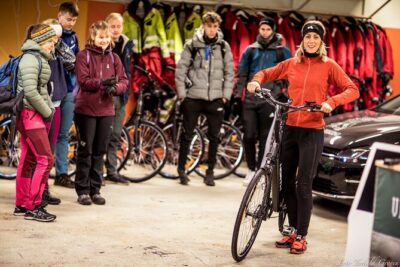
Guided EL-Bike tour in the city of Haugesund and Coastal path
Read our review →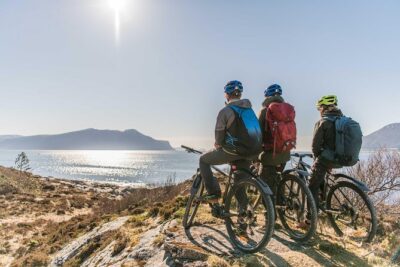
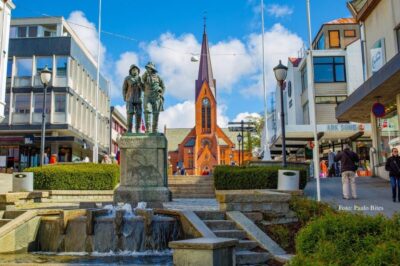
Guided E-Bike Tour in Haugesund: city, vikings, Rising Tides
Read our review →Browse the lists this tour appears in