
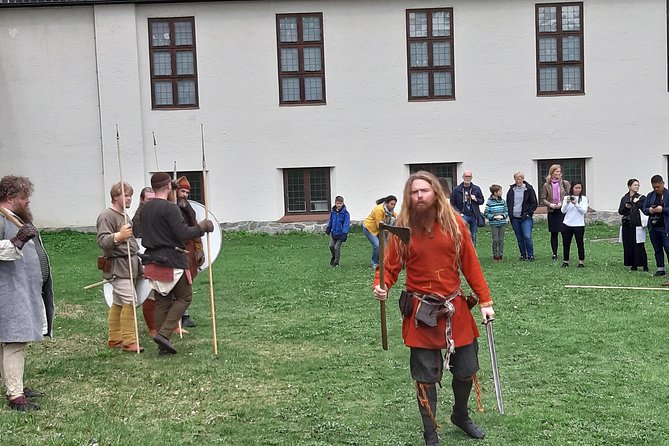
Reviewed · MUSEUMS
Art and Museum Tour of Oslo
Oslo art starts with your feet. This 4-hour walking tour is built around Norwegian art context, not just a quick museum stop, with an art historian guiding the route and museum choice. You’ll see how the city’s layout and key landmarks shaped what artists made, and how movements beyond Edvard Munch fit into the bigger story.
I especially like the flexible museum pick. You can choose one or two spots that match your mood, from the National Gallery to modern art at Astrup Fearnley, or a full-style museum day on the Bygdøy Peninsula (Viking Ship, Kon-Tiki, Fram, and the Museum of Wooden Architecture). The second big plus is how the city walk sets the stage, with stops that make Oslo feel like a living timeline.
One consideration: the exact museum lineup depends on your choices and what the guide can fit, so if the National Museum is a must, ask before you go. You’ll still get great art-historical framing, but you want to confirm the museum priorities match your list.
In This Review
- Key highlights to plan around
- Why this Oslo art history walk beats the Munch-only plan
- The city route you’ll cover: Aker Brygge, Royal Palace, Parliament, Akershus, Kvadratura
- Picking the right museum: National Gallery, Astrup Fearnley, or Bygdøy Peninsula museums
- The National Gallery for Munch plus French impressionists
- Astrup Fearnley Museum of Modern Art for a contemporary Norwegian angle
- Bygdøy Peninsula for a themed museum day: Vikings, explorers, ships, and wooden architecture
- Entrance fees and tickets, the part worth double-checking
- Adding the Opera House and Vigeland Park by tram
- How the art historian guide changes what you see
- Price and value for a private up-to-10 group
- Who should book this Oslo art and museum tour
- Should you book this Oslo art tour?
- FAQ
- How long is the Oslo art and museum tour?
- What is the group size and is it private?
- Is pickup available?
- Do I need a mobile ticket?
- Which museums can we choose from?
- Are museum entrance fees included?
- What is the cancellation policy?
Key highlights to plan around
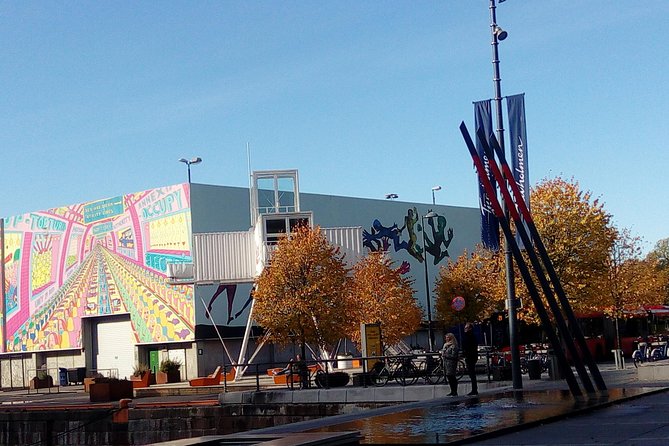
- Private group up to 10 means you can move at a human pace and ask questions without a hard squeeze.
- Art historian-led guidance turns the city center into a map of ideas, not just a set of photos.
- Museum flexibility lets you tailor the stop, whether you want classic masterpieces, modern Norwegian work, or Bygdøy theme museums.
- Akershus and Kvadratura add real grounding in Oslo’s older layers before you even enter art spaces.
- Optional tram add-ons can extend the feeling of Oslo with the Opera House and Vigeland Park.
Why this Oslo art history walk beats the Munch-only plan
Most visitors to Oslo arrive with one name in their head. Edvard Munch. That’s not wrong. But it can shrink your view of Norway if you treat Munch as the whole story. This tour is designed to correct that. The walking part gives you the geographic and cultural backbone, then the museum time connects you to broader currents in Norwegian and European art.
What you’ll like is that the tour doesn’t feel like a lecture dumped on top of sightseeing. The guide is an art historian, and that matters. You’ll get explanations for why certain works matter, how styles shifted over time, and what to look for in paintings and collections. You’re not just scanning famous labels. You’re learning how to see.
Another reason it works well is that you choose the museum stop. Maybe you want the National Gallery because it covers Munch and also brings in French impressionists. Maybe you prefer the more modern angle of Astrup Fearnley Museum of Modern Art. Or maybe you’d rather head toward the Bygdøy Peninsula, where the collections lean museum-scene, not just canvas after canvas.
That flexibility is also practical. Oslo museums can vary in size and intensity. If you know you tire easily, picking the right one saves your energy. If you’re a “show me everything” person, you can aim for a bigger museum cluster such as Bygdøy. Either way, you get a guided plan that doesn’t waste time wandering with no purpose.
The city route you’ll cover: Aker Brygge, Royal Palace, Parliament, Akershus, Kvadratura
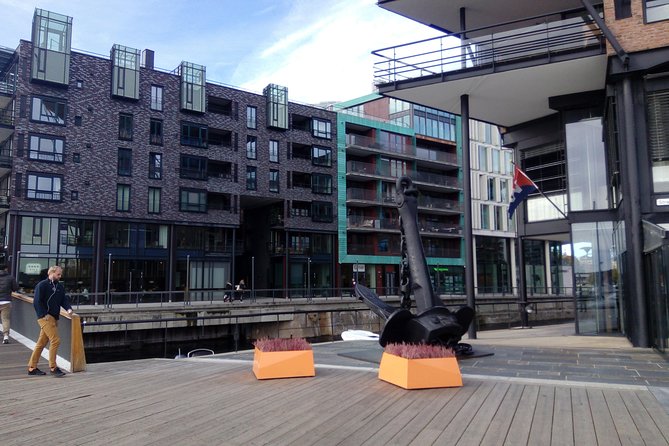
The walking portion is the backbone of the experience. It starts in Oslo’s city center area and works outward through the core landmarks. You’ll pass through the kind of streets where the 19th-century city really shows its planning, and where you can understand why artists found subjects in everyday life, government buildings, and waterfront life.
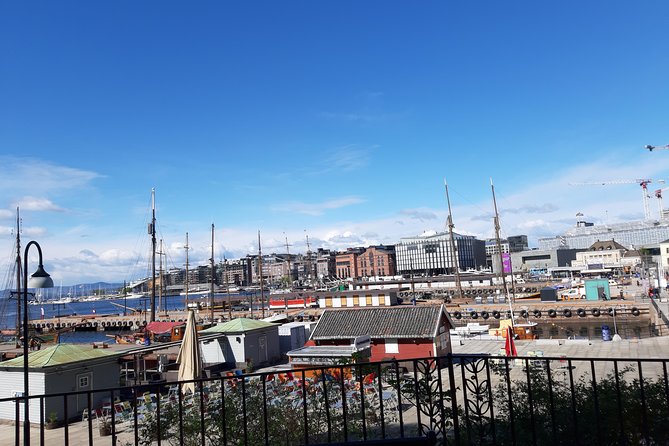
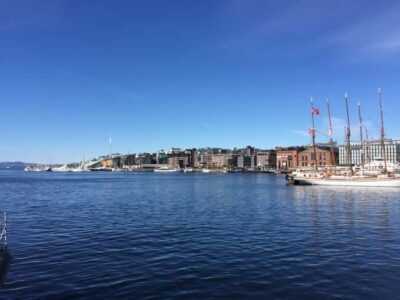
Aker Brygge is one of the opening points. It’s a strong choice early because it gives you the waterfront view and a sense of how Oslo sits against the water. Even if you’re not a waterfront person, it helps you orient fast.
Then the walk moves toward major civic landmarks, including the Royal Palace and Parliament. These aren’t just postcard stops. Seeing them in sequence helps you understand the power center of the city, and it gives the guide an easy way to connect art and culture to the society that supported them.
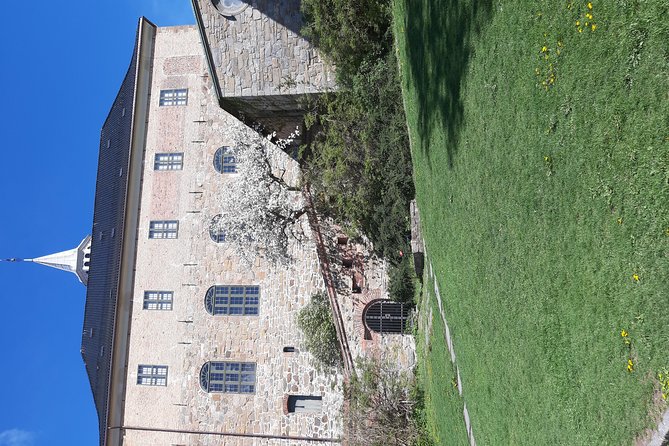
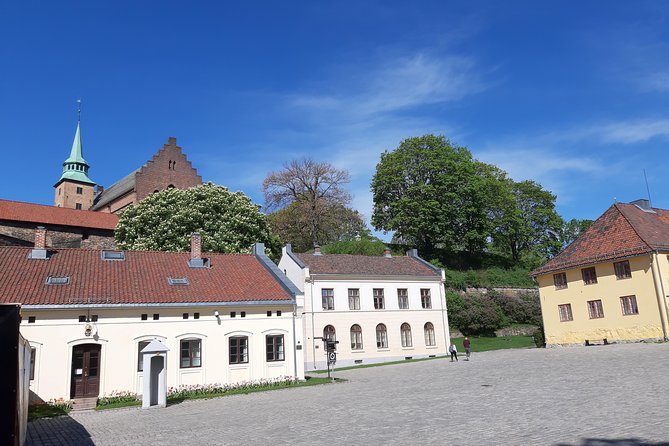
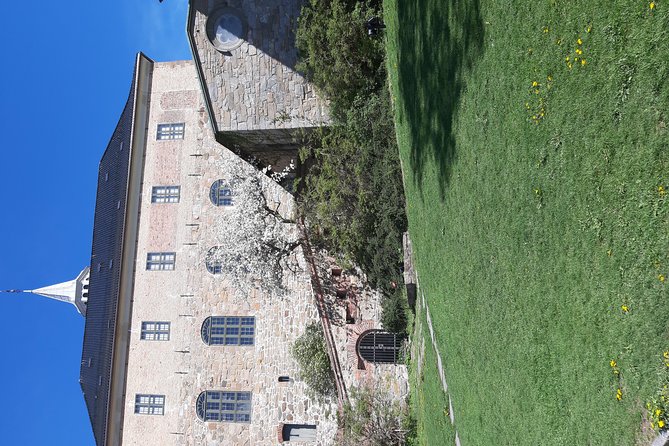
From there, you head to older layers. You’ll visit the medieval fortress, Akershus, and the historic city center area known as Kvadratura, Oslo’s 17th-century grid-like core. That mix is smart. Before you enter museums, you get a sense of how Oslo evolved. Medieval defense on one side, planned city structure on the other. It changes how you read the past when you later see artworks that reflect national identity.
You should also know the practical vibe: this is smart casual walking time, around four hours total. The tour is designed to work with public transport proximity, and pickup is offered. So if you’re arriving from a hotel far from the center, it’s easier to join without wrestling with logistics.
More Norwegian halls and collections:

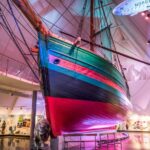
Picking the right museum: National Gallery, Astrup Fearnley, or Bygdøy Peninsula museums
This is the real decision point. The tour lets you choose your museum focus, and your choices affect the whole feel of the day.
The National Gallery for Munch plus French impressionists
If you want the most direct “start here” art stop, the National Gallery is a top pick. It’s the place to see Edvard Munch’s The Scream along with other Munch works, and it also includes French impressionists. That pairing matters because it gives you a bridge between artists you may have heard about separately.
You’ll get more than a famous painting sighting. With an art historian guiding you, you’ll have help interpreting style, mood, and movement. And since you’re already walking through key city landmarks first, the museum feels like a continuation, not a random change of scenery.
A drawback to watch for: if your main goal is a specific museum not offered in your final plan, make sure you get confirmation on the exact collection stop before you show up. The tour is flexible, but it isn’t automatically a National Museum tour every time.
Astrup Fearnley Museum of Modern Art for a contemporary Norwegian angle
If you want your Oslo art to feel more modern, Astrup Fearnley is a strong option. It’s a private museum of modern art, and that private framing often means you get a more focused contemporary experience.
This choice tends to suit you if you like art that feels closer to today. It can also be a good counterbalance if your other stops already include heavy historical themes. The guide can help you connect modern Norwegian art to the cultural shifts that came before it.
If you’re trying to decide between classic and modern, ask yourself one question: do you want the clearest path through famous artists, or do you want the freshest-looking art experience? The tour design lets you go either way.
Where the path branches next in Oslo
- Oslo: Oslo Fjord Sightseeing Cruise by Sailing Ship
★ 4.5 · 5,790 reviews - Oslo: Scenic Fjord Cruise with Audio Guide Commentary
★ 4.5 · 5,375 reviews - Oslo Nature Walks: Island Hopping Tour
★ 4.8 · 2,713 reviews - Oslo: 24 or 48-Hour Hop-On Hop-Off Sightseeing Bus GrayLine
★ 4.0 · 2,088 reviews
Bygdøy Peninsula for a themed museum day: Vikings, explorers, ships, and wooden architecture
For many people, Bygdøy is where Oslo turns into a full museum zone. The tour can include one or more Bygdøy Peninsula stops, such as:
- The Viking Ship Museum
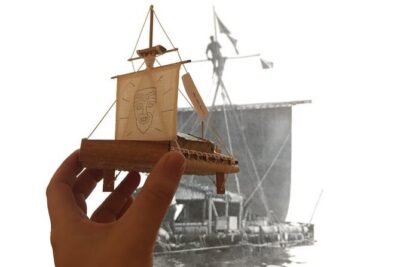
- Kon-Tiki
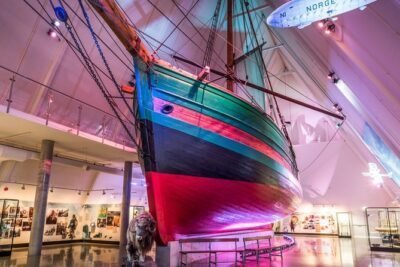
- Fram (Polar Ship)
- The Museum of Wooden Architecture
What’s valuable here is that it’s not only art. It’s culture through artifacts and storytelling. It can be a great choice if you like history or want variety beyond painting and sculpture.
It also helps if you’re traveling with mixed interests. Even if everyone isn’t obsessed with galleries, these museums offer strong narratives, and the art historian can still connect the dots between cultural identity and the way Norway preserves and presents its past.
One practical note: Bygdøy museums can feel like separate worlds. If you’re short on time or easily overwhelmed, consider limiting yourself to one major stop plus a smaller one, rather than trying to force every museum into four hours.
Entrance fees and tickets, the part worth double-checking
The tour information states that museums entrance fees are around 100 kr per person, but it also notes admission ticket free. That’s contradictory on paper, so you should confirm what is included for your selected museums when booking. You don’t want an unexpected fee in the middle of your plan, especially if you’re aiming for a specific collection.
Either way, you’ll want to budget for museum entry time and walking time between sites.
Adding the Opera House and Vigeland Park by tram
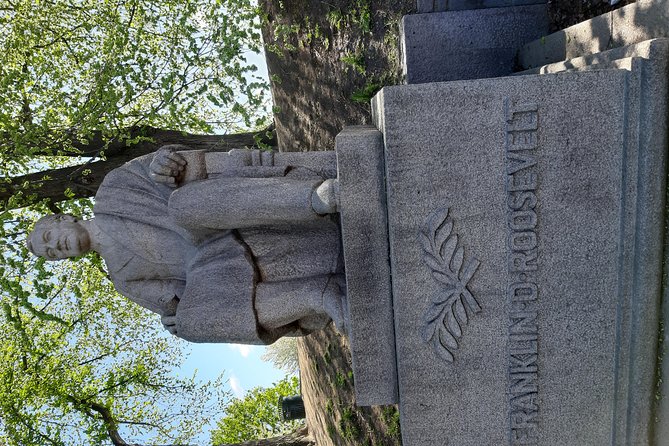
There’s an optional upgrade built in: you can include the new National Opera House and Vigeland Park. The plan notes it takes about 10 minutes by tram to get there, which matters because it keeps the experience efficient.
This add-on is worth it if you want Oslo’s modern public architecture and one of its most famous sculpture settings tied into your art day. The Opera House is a strong visual contrast to older fortifications like Akershus, and Vigeland Park gives you a different kind of art experience, sculpture outdoors.
If you’re choosing this add-on, keep your energy in mind. The main tour is four hours total, so adding tram time and extra sightseeing can slightly reduce how long you spend in the museum. It’s a trade-off, not a free lunch.
The best way to decide is simple: if you’re chasing one museum experience that matters most, keep it focused. If you want Oslo to feel like both art and city design, add the tram stops.
How the art historian guide changes what you see
This is the kind of tour where the guide matters as much as the sights. And the standout pattern is time and care. People talk about guides who are enthusiastic and who take the time to show everything properly. You get more than a quick walk-through.
If your guide is someone like Tanya, you’ll appreciate the practical side too. One group noted Tanya was conscientious, and she took care with meeting and directions. If you’re arriving from a hotel or you’re juggling a tight schedule, that kind of guidance makes the whole day smoother.
What I think you’ll actually benefit from, once you’re on the route, is the way an art historian provides a lens:
- You’ll know what to look for in Munch and in impressionist works, not just where they are.
- You’ll understand how Oslo’s older urban layers connect to national identity themes that show up in art.
- You’ll learn how modern Norwegian art fits into the same national story rather than living in a separate box.
Also, because it’s a private tour for your group only, you can steer the pacing. If you’re more interested in maritime museums like Kon-Tiki and Fram, you can lean that way. If you want the painting-heavy route, you can aim for the National Gallery and keep the rest lighter.
That flexibility is the difference between a checklist and a lived experience.
Price and value for a private up-to-10 group
Let’s talk numbers honestly. The price is $445.68 per group for up to 10 people, and the tour runs about four hours. That means your per-person cost depends heavily on group size.
- If you fill it with 10 people, you’re around $44 per person.
- If you’re a smaller group of 4, you’re closer to $112 each.
- For 2 people, it’s about $223 each.
So the value is best when you share with friends, family, or travel companions and keep the group near the top end. If you’re traveling solo or as a couple, you may still find value if you care a lot about guided museum context and want someone to tailor the plan. In that case, you’re paying for a customized art historian-led route, not for basic sightseeing.
One more thing: there’s an average booking lead time listed as 86 days. That’s a hint this tour can book up, especially in busier seasons or when cruise schedules stack up. If you’re set on a specific museum combo, booking early gives you more options.
Who should book this Oslo art and museum tour
This tour is a good fit if you:
- Want art history framed by a real art historian, not just a guide reading labels
- Plan to visit more than one museum, or at least want a meaningful museum stop, plus city context
- Care about Munch but want the surrounding story, including other major art currents
- Like the idea of choosing between classic painting, modern art, and Bygdøy themed museums
- Want a private group experience up to 10 people, with flexibility built in
It’s also a good match for cruise passengers who can handle the timing demands of getting through port areas and meeting spots. Just be ready to provide your ship name and docking and re-boarding times at booking.
Who might want to think twice:
- If your top goal is only one very specific museum collection and you’re not flexible, you should confirm your exact museum lineup before you commit.
- If you dislike walking, a four-hour walking plan may be more than you want, even with pickup offered.
Should you book this Oslo art tour?
I’d book it if you want a smart, guided way to understand Oslo’s art story, starting with the city itself. The combination of Aker Brygge, Akershus, Kvadratura, and a guided museum choice is efficient. It turns a half-day into something that feels connected.
I’d also book it if you like options. You can shape the museum stop around your interests, and if you want a modern contrast, you can add the Opera House and Vigeland Park by tram.
One last checklist item before you buy: confirm the museum you want most is included in your chosen plan, and double-check how museum entrance fees apply. If you do that, you’re set up for a day that feels genuinely tailored, guided well, and worth the money.
FAQ
How long is the Oslo art and museum tour?
It’s approximately 4 hours.
What is the group size and is it private?
It’s a private tour/activity, and your group only participates. The price is for up to 10 people.
Is pickup available?
Yes, pickup is offered.
Do I need a mobile ticket?
Yes, a mobile ticket is included.
Which museums can we choose from?
You can choose one or two museums, such as the National Gallery, Astrup Fearnley Museum of Modern Art, or museums on the Bygdøy Peninsula including the Viking Ship Museum, Kon-Tiki, Fram, or the Museum of Wooden Architecture.
Are museum entrance fees included?
The tour information lists museums entrance fees as 100 kr per person, but it also includes a note that admission ticket is free. Confirm what is covered for your selected museums when booking.
What is the cancellation policy?
You can cancel for a full refund up to 24 hours in advance. Changes made within 24 hours of the start time are not accepted.
Newly marked on the map for Oslo
- Oslo: WWII History Private Walking Tour★ 5.0 · 1 review
- Oslo: All-Inclusive Self-Guided Kayaking & Camping Adventure★ 5.0 · 1 review
- Kayak and Canoe Tour in Lake Bogstad★ 5.0 · 1 review
- Stand up paddleboard adventure in Leangbukta★ 5.0 · 1 review
- Oslo All Inclusive Private Walking Tour★ 5.0 · 1 review
- Sightseeing Private Tour of Oslo and Viking Ship Museum★ 5.0 · 1 review
- 3days tour to Flåm-næroyfjord(or Preikstolen Hiking)-Bergen★ 5.0 · 1 review
- Departure Private Transfer from Oslo City to Oslo Airport OSL by Luxury Van★ 5.0 · 1 review
Museums, compared.

Troll Museum Entry Ticket with AR Media Experience
Read our review →

Aksla-Alnes-Giske-Sunnmøre museum 100 % Highlights 4.5 H
Read our review →Browse the lists this tour appears in