
Reviewed · GUIDED WALKS IN BERGEN
Walking Tour in Bergen of the Past and Present
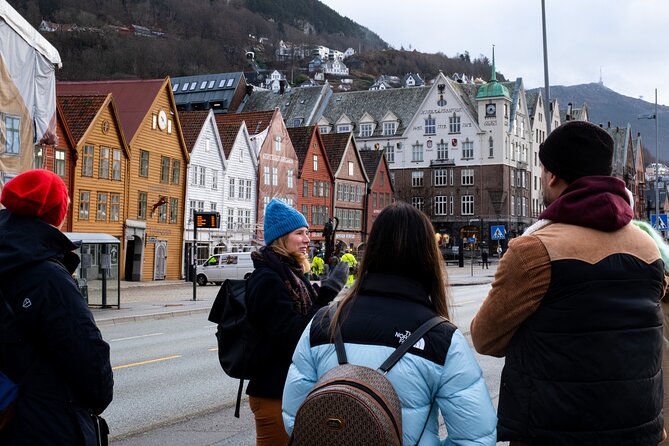
Bergen tells its story best on your feet. This 2-hour, English-language walk pairs medieval power with everyday life, with major sights kept outside so you avoid ticket hassles. I like the small group size (max 16), and I like that the meeting point is a short walk from public transport.
You also get a real local expert leading the way, and the route is paced for questions, not just photo stops. The biggest heads-up is that this is an outdoors-only tour, so you will not go inside museums or churches, and you do walk uphill with uneven ground, so wear grippy shoes.
In This Review
- Key highlights worth knowing before you go
- Bergenhus to Bryggen, in two hours you actually remember
- Starting at Bergenhus Fortress: where the capital story begins
- Bryggen Hanseatic Wharf: UNESCO focus, real trading logic
- St. Mary’s Church from the outside: the oldest living landmark
- Fjellsiden uphill at Steinkjellerbakken: what it’s like to live in Bergen
- Skostredet and the fish market finish: modern Bergen you can eat
- How the guides make the difference (and how to get the best value)
- Price and value: why $33.47 feels fair for a 2-hour orientation
- Who should book this, and who might want a different option
- Should you book the Bergen Past and Present walking tour?
- FAQ
- How long is the Bergen Past and Present walking tour?
- Is the tour offered in English?
- What is included in the price?
- Do we enter museums or buildings during the tour?
- Does the tour include a funicular ride?
- Where do you meet and where do you end?
Key highlights worth knowing before you go
- Bergenhus Fortress area first: an easy starting point that quickly explains how Bergen gained power
- Håkon’s Hall and St. Mary’s Church from the outside: major medieval landmarks without paying separate entry fees
- Bryggen UNESCO focus: learn how the Hanseatic wharf worked, not just how it looks
- Fjellsiden uphill walk: everyday life talk in a well-preserved wooden-house district
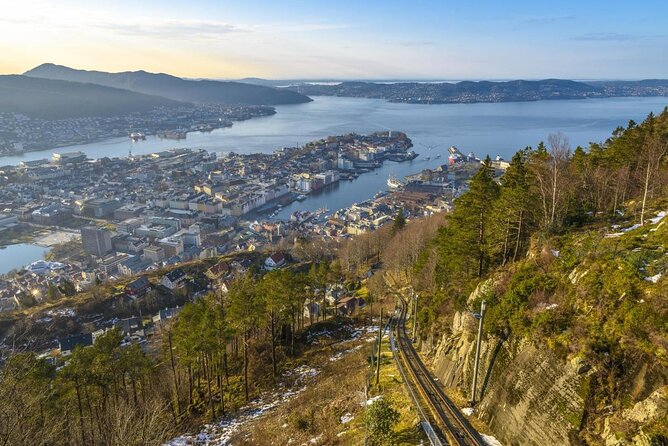
- Funicular station is a pass-by only: you learn about Norway’s hiking culture without extending the tour
- Modern food streets at the end: Skostredet and the fish market area help you plan your next meals
Bergenhus to Bryggen, in two hours you actually remember
If it’s your first trip to Bergen, this tour is a fast way to get your bearings. You start near Bergenhus Fortress, in a place that makes sense historically, and you end near the tourist office area by the waterfront. With an average duration of around 2 hours, it fits neatly into a busy day, especially if the weather is being changeable.
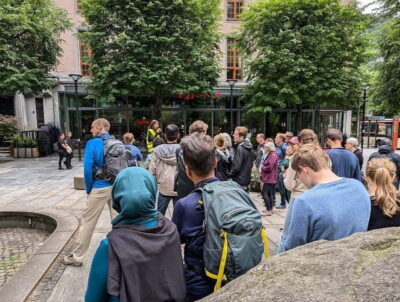
The small size matters. With a maximum of 16 people, your guide can slow down when you ask something, and you are not stuck listening over other voices. I also like that the tour uses a mobile ticket, which keeps things simple once you arrive in town. You’ll mostly be outdoors, so plan on layers and a good rain shell, not just a light jacket.
One practical point before you go: the walk includes uphill segments through older streets. The tour is listed for moderate physical fitness, and some surfaces can be uneven. You do not need to be an athlete, but you should come prepared for cobblestones and wooden-board textures in older neighborhoods.
Starting at Bergenhus Fortress: where the capital story begins
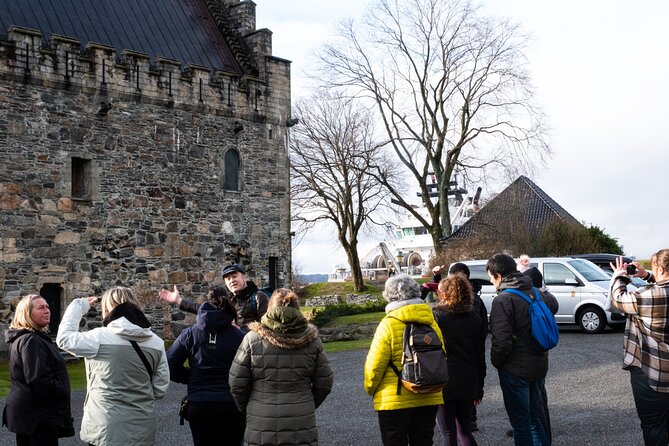
The tour kicks off at Bergen Fortress, the area that ties directly to Bergen’s time as a capital. From here, your guide explains what this place represented, not just that it exists. It is a smart opener because it frames the city you’re about to see. Instead of collecting random facts, you get a timeline you can hang everything else on.
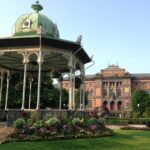
Then you move toward Håkon’s Hall. This is one of the key pieces of the medieval palace complex that is still standing, and it helps you understand Bergen in the era when Norway was navigating its independence and later unions. Your guide connects those big political shifts to what was happening in the city, so the talk feels grounded in place.
Important detail: you do not enter Håkon’s Hall during this tour. The building is a museum with an extra cost, and the tour keeps its promise of being outdoors only. On rare occasions, the fortress may be closed due to a private event. If that happens, you still get the walking story, just with a slight adjustment to keep the tour running.
More Guided Walks in Bergen
Bryggen Hanseatic Wharf: UNESCO focus, real trading logic
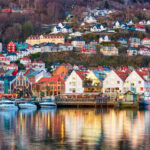
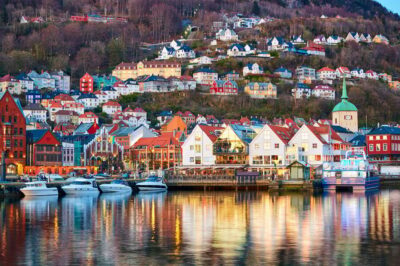
After the royal and medieval setup, you head into Bryggen, Bergen’s UNESCO World Heritage site. This is where the city’s merchant era takes over the narrative. The area is famous for its narrow wooden passageways and long, leaning lines of older structures, but the value here is what your guide helps you understand while you walk.
You learn how merchants traded there for roughly a thousand years, and how the Hanseatic League (often shortened to the Hanse) powered that system. Instead of treating Bryggen like a postcard set, the guide explains the wharf as a working trade space: how goods moved, who relied on the docks, and why merchants clustered where they did.
Here is the other money-saver built into the design: you do not go inside Bryggen buildings. Today, many structures are shops and small businesses, not museums. That means your time goes to explanation and orientation, not to ticket lines or museum audio systems. Admission for the walking stops is part of the tour concept, so you are not constantly checking if a new building costs extra.
St. Mary’s Church from the outside: the oldest living landmark
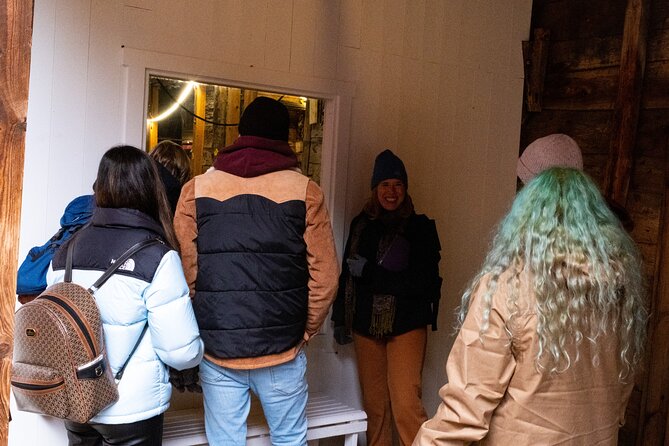
Next comes St. Mary’s Church, the oldest still-standing building in Bergen. It dates to the 12th century and still functions as a church today, which gives the area a special kind of continuity. Your guide points out what makes it significant and ties it back to how Bergen developed over time.
But you do not go inside the church. Like many historic religious sites, interior access involves a separate admission fee, and this tour keeps the focus outside. That can be a downside if you planned your day around stepping inside. Still, viewing it from the outside during a walking flow helps you keep your schedule intact and your budget stable.
If you do want interior time, you can always plan a separate visit on another part of your day. Think of this stop as the historical anchor that shapes what you notice next, not as your only chance to experience the church.
Fjellsiden uphill at Steinkjellerbakken: what it’s like to live in Bergen
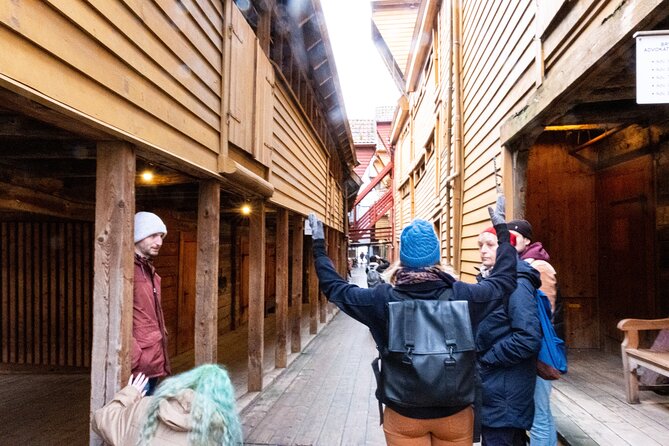
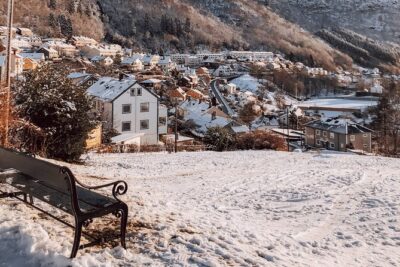
After the medieval cluster, you start moving uphill toward Fjellsiden, walking along the area called Steinkjellerbakken. This is the shift from political history to day-to-day life. The neighborhood is known for being well-preserved, especially for its older wooden houses, so the city starts feeling lived-in rather than purely historical.
This is where your guide’s local style really shows. You talk about everyday realities in Norway, including what people eat, how work and daily routines shape life, and even practical topics like what a house costs and how taxes fit into the picture. You should expect the route to depend on your guide and their interests, because this part is designed as a local walking tour, not a rigid checklist.
One consistent element: you pass by the funicular station so you know where it is. You also learn about Norway’s outdoor culture and why hiking matters so much. The funicular ride itself is not included, and taking it would add extra time and cost. The tour stays intentionally on foot so you stay within the planned timeline, and you can choose later if you want a relaxed uphill trip, maybe even for sunset or a hike.
More of Norway between waymarks, on foot:
- Bergen: Private Walking Tour with a Local
★ 4.6 · 263 reviews - Food and Culture walk
★ 4.5 · 243 reviews - Bergen: Guided Walking Tour with Local Guide
★ 4.5 · 107 reviews - Walking Tour of Central Bergen
★ 5.0 · 46 reviews
Skostredet and the fish market finish: modern Bergen you can eat
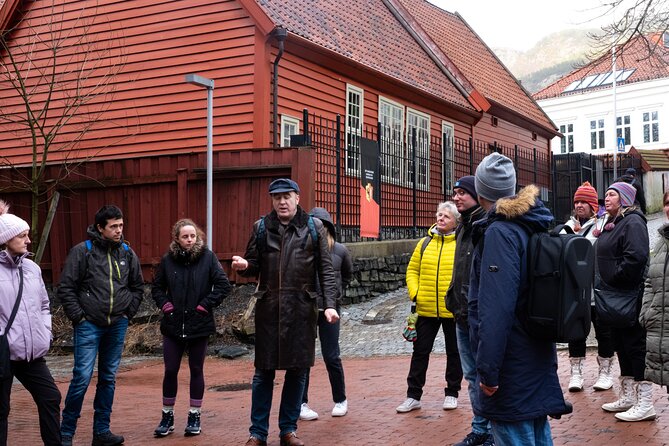
Once the tour reaches the old town center, it shifts again. The last stretch spends time on modern Bergen and food culture, including the fact that Bergen is a UNESCO City of Gastronomy. You walk along Skostredet, a street known for restaurants, and your guide connects the modern food scene to the city’s character.
This is not a lecture that ends in awkward silence. It’s practical. Guides tend to use this part to steer you toward what to try next and where it fits into your budget and preferences. Many past walkers have mentioned specific dinner and coffee suggestions, and that kind of end-of-walk guidance is exactly what makes the tour useful long after the route is over.
Then you finish outside the fish market / tourist office area. It’s a smart way to end because it puts you near a hub where you can keep exploring, ask for directions, or pick up local food plans without needing to backtrack across town.
How the guides make the difference (and how to get the best value)
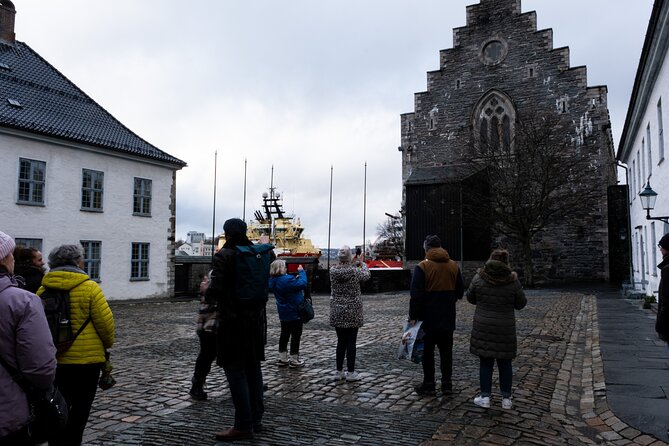
The tour’s reputation is tied to the way guides explain things and keep the mood friendly. People have praised guides by name such as Dane, Jeff, Magda, Emma, Janine, Anaïs, and Neil, with comments focused on clear English, a good sense of pacing, and lots of room for questions. That matches what you should look for in a tour like this: not just facts, but stories that connect the landmarks to a living city.
You can make the most of it with a few simple habits:
- Ask your guide early what Bergen feels like now, not just what it was long ago. It helps the later stops click.
- When you reach Bryggen, ask how the Hanseatic trading system shaped the city. The answer tends to give you a mental map you’ll carry through the day.
- In Fjellsiden and on Skostredet, ask for food ideas based on what you actually like. The tour is designed to end with food culture in mind.
Also, come with realistic expectations. This is a “look at major landmarks and understand the story” tour, not a museum marathon. If your goal is inside-the-building time, you will need additional plans for Håkon’s Hall and St. Mary’s Church.
Price and value: why $33.47 feels fair for a 2-hour orientation
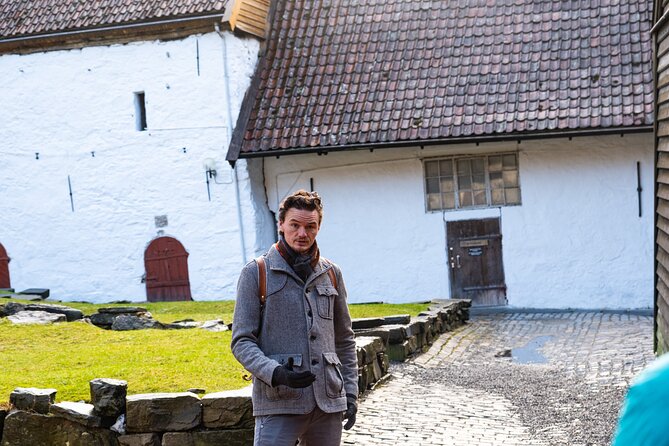
At $33.47 per person for about 2 hours, this tour is priced like a true walking orientation, not like an attraction entry fee bundle. The big value is that you get guided coverage of multiple top-level Bergen areas in a compact footprint: Bergenhus Fortress, Bryggen UNESCO, St. Mary’s Church from outside, and the Fjellsiden and Skostredet neighborhoods.
You also avoid the classic problem of “cheap tour” that suddenly becomes expensive. Here, entrances are not the point, and you are not paying for building access as you go. The walking stops are structured so you keep seeing and learning without ticket detours. For a first-time visitor, that is a good deal because it helps you decide what is worth paying for later.
Finally, the small group size helps the guide keep quality high. You pay a modest amount, but you are not treated like a moving crowd.
Who should book this, and who might want a different option
I think you should book this tour if you want a strong first-day introduction to Bergen that mixes past and present in a practical, outdoor format. It fits newcomers well because it covers the city’s signature historic areas without forcing long museum times. It also works for people who like asking questions and getting restaurant direction. If you enjoy walking through older neighborhoods and learning why the city looks the way it does, this is your speed.
You might want to choose something else if your top priority is going inside museums and churches. This tour keeps you on the outside for places like Håkon’s Hall and St. Mary’s Church, and Bryggen buildings are shops and small businesses, not museum visits. Also, if uphill walking is hard for you, you may feel the strain in Fjellsiden, even with a moderate-fitness rating.
Should you book the Bergen Past and Present walking tour?
Yes, if you want a guided Bergen overview that helps you understand what you’re seeing, quickly. The combination of Bergenhus Fortress framing, Bryggen’s Hanseatic wharf story, and the switch into everyday life and food culture is exactly what turns sightseeing into a coherent experience.
Book it especially if you only have a limited amount of time and you do not want to manage multiple separate tickets. Skip it if you mainly want interior access. If that is you, treat this as a great prelude, then plan separate museum or church visits on your own schedule.
FAQ
How long is the Bergen Past and Present walking tour?
The tour lasts about 2 hours (approx.).
Is the tour offered in English?
Yes, the tour is offered in English.
What is included in the price?
You get an authorized guide and a guided walking tour of Bergenhus Fortress and UNESCO World Heritage Bryggen, with no hidden fees.
Do we enter museums or buildings during the tour?
No. The tour is outdoors only, and you do not go inside Håkon’s Hall or St. Mary’s Church. You also do not enter buildings in Bryggen.
Does the tour include a funicular ride?
No. You pass by the funicular station so you can find it, but you do not take the funicular.
Where do you meet and where do you end?
You start at Bradbenken 1, 5003 Bergen, Norway, and end at Vågsallmenningen 2, 5014 Bergen, Norway, finishing close to the Bergen tourist office.
Newly marked on the map for Bergen
- PRIVATE TOUR: Bergen city sightseeing, 4 hours★ 5.0 · 7 reviews
- Private tour – Hardangerfjord, Voss Gondola & 4 Great Waterfalls★ 4.5 · 7 reviews
- Private Transfer to/from Bergen Airport and City★ 2.5 · 7 reviews
- Bergen: High-Tech Minigolf in Top Bergen Activity Bar!★ 4.1 · 7 reviews
- Scenic Bergen: Port to Port History, Alleys, & Bryggen Walk★ 5.0 · 7 reviews
- Bergen: Snowshoe Hike★ 5.0 · 7 reviews
- Bergen: Easy Hike to Bondhus Glacier Lake w/Lunch in Rosendal★ 5.0 · 7 reviews
- The influence of Bergen in Norway’s development, city tour★ 5.0 · 7 reviews
Guided Walks in Bergen, compared.
Past & Present Small Group Guided Walking Tour
Read our review →


Browse the lists this tour appears in