
Reviewed · PREIKESTOLEN & LYSEFJORD TRIPS
Stavanger: Hiking to world famous Pulpit Rock
That cliff view hits fast. A guided run hike up Pulpit Rock gives you the famous Lysefjord outlook with a pace built for rocky stairs, not just fitness bragging.
I love the human touch here. Guides like John (Australia review) and Tore (UK review) set a calm rhythm, wait for you on the stairs, and share real stories while you move.
The main drawback is the terrain and weather. You need solid grip and a plan for rain, because the start is steep and mountain conditions can change quickly, so trail shoes and dry clothes matter.
In This Review
- Key highlights you should know
- Why Pulpit Rock feels like Norway’s top photo spot
- Preikestolen BaseCamp start: your legs get a head start
- The steep rocky opening: how to run without burning out
- Middle section flow: forests, streams, and finding your rhythm
- The second climb and cliff approach: where footing becomes the skill
- Summit time on Preikestolen: resting on a world famous edge
- The downhill return over 4.2 km: quicker, not easier
- Running versus hiking: this is a run style, but it is not reckless
- Price and value: what $156 buys you on this half-day
- Weather and gear: the small kit that keeps you comfortable
- Who should book this run hike and who should think twice
- Should you book this Pulpit Rock run from Stavanger?
- FAQ
- How long is the Pulpit Rock experience?
- Where do we meet for the hike?
- Is there an English-speaking guide?
- What is included in the $156 price?
- What should I bring?
- Is dinner included?
- Can I cancel if my plans change?
Key highlights you should know
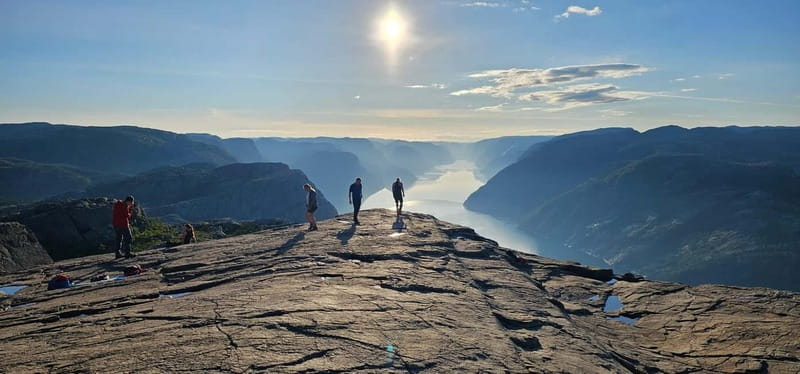
- World famous viewpoint: the plateau juts out over the Lysefjord, the reason this hike exists
- Patient, local guides: John and Tore are praised for waiting, encouraging, and sharing context
- A less-crowded approach: the route is designed so you can enjoy the trail more, not just fight for space
- Stairs technique on the tough parts: the climb begins rocky and steep, then settles into more manageable walking
- Weather-smart pacing: John adjusted timing by about 30 minutes in anticipation of rain, so the timing can matter
Why Pulpit Rock feels like Norway’s top photo spot
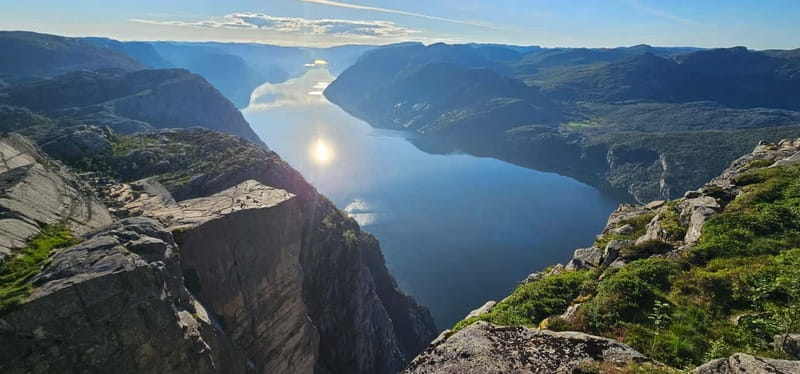
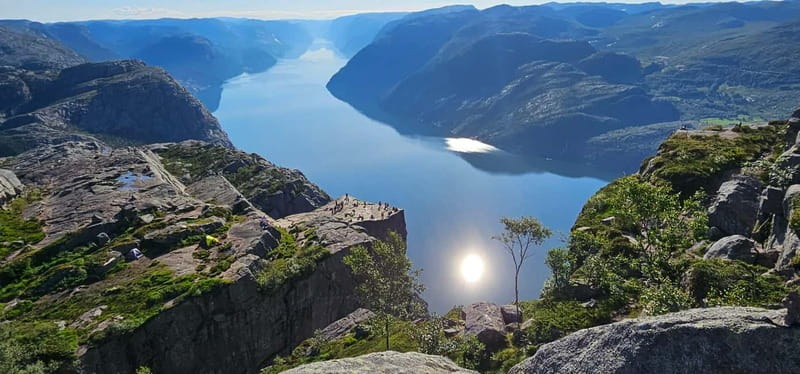
You come for one thing: that wide, dramatic cliff look down into the Lysefjord. Preikestolen is one of Norway’s best-known landmarks, and standing on the plateau is when it clicks. The rock juts out, and suddenly the fjord looks way bigger than it did from the road.
What I like is that the view is earned. You get the build-up. First you climb through forests and streams, then the trail tightens into rugged sections, and finally you crest to the summit. When you reach that open rock, you can rest, hydrate, and take photos without feeling like you rushed past the good part.
Also, the hike is not only about the end point. The route itself has personality, from stone steps to the cliffside final stretch. That’s why a guided run hike can feel more rewarding than a standard “walk and snap a few pictures” outing.
Preikestolen BaseCamp start: your legs get a head start
Your day begins at Preikestolen BaseCamp. The meeting point is right there, with a welcome map and the Hiking cafe as your pre-hike anchor. Before anyone asks you to move, you can get your bearings, check your gear, and settle into a steady plan.
You are transported from Stavanger to the base camp, so you avoid the hassle of figuring out timing and logistics on your own. That matters because timing on this trail is about more than convenience, it affects crowds and weather exposure.
At the start, you stretch and prepare for a rocky day. This is where I strongly recommend treating the first part like a warm-up rather than a race. The steep opening can trick you. You feel fresh at the bottom, then you hit the rocky grade and realize you should have paced earlier.
And yes, the guide brings the group together. You’ll have a live guide in English, which helps when the trail gets technical or when weather rolls in fast.
More Hiking Tours in Stavanger
The steep rocky opening: how to run without burning out
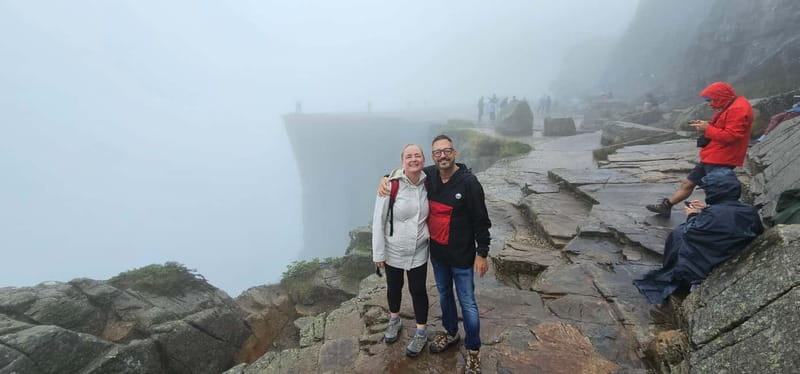
The beginning is the toughest phase. Expect a steep, rocky start where walking slowly is smarter than trying to keep a jogging pace. The description calls out that this is the most challenging section, and the key is to manage energy and footing.
You also need the right shoe. The trail is rocky enough that good grip is not optional. If your soles slip even a little, you’ll spend your brain power on balance instead of enjoying the hike.
The trail includes stone stairs made with help from Sherpas, which gives the climb a more structured feel than loose scree would. Still, stairs can be deceptively hard when you are trying to run. My advice: use your best “run mindset” for consistency, not speed. Think controlled steps, short bursts if you feel good, and then settle back into a climb pace.
This is also where the guide’s temperament matters. John is specifically praised for being patient on the many stairs and for encouraging you to take your time. If you want a run feel without getting stressed, that kind of guidance makes a real difference.
Middle section flow: forests, streams, and finding your rhythm
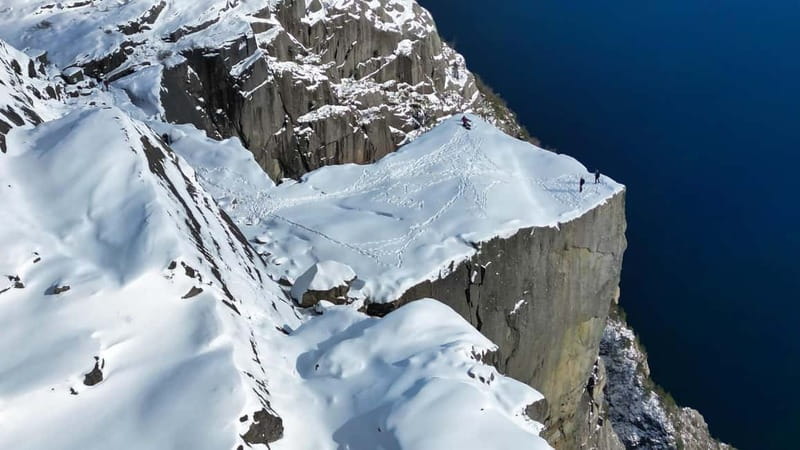
After the first climb, the trail levels out. This is the phase where you can find your rhythm again, whether you’re running sections or keeping it more of a brisk hike.
The path is well maintained, with stone stairs and a route that keeps you moving forward efficiently. You also get a break from pure steepness. You’ll pass through lush forests and small streams, which helps the hike feel less like a workout treadmill and more like a real journey.
This part is valuable because it resets your body. Once you’ve crested the first hard part, you can loosen your shoulders, take steady breaths, and settle into the view-building routine. If you’re nervous about the technical sections ahead, use this time to focus on smooth steps and controlled effort.
It’s also a nice reminder that Preikestolen is not only about the final cliff. You’re moving through scenery, not just climbing a destination.
The second climb and cliff approach: where footing becomes the skill
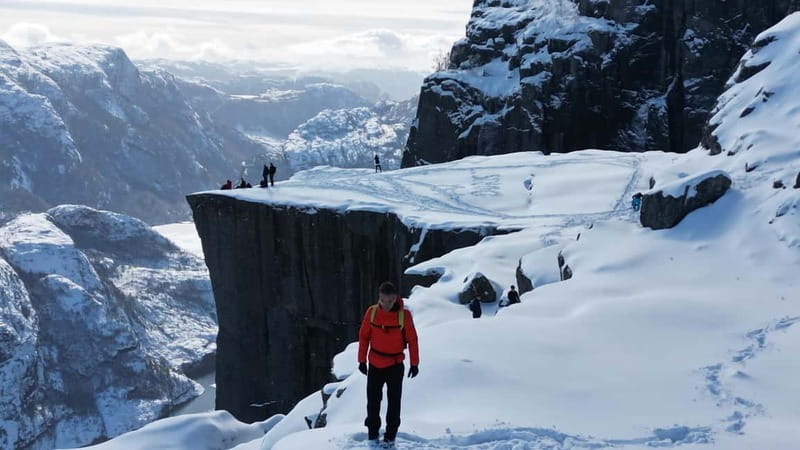
The second climb is less steep than the first, but it still demands effort. The trail becomes more rugged, so you’ll need to watch your footing more carefully. Running here is less about speed and more about balance and awareness.
The guide’s role matters because a good pace on mixed terrain protects you from late-day mistakes. In other words, you don’t want to sprint the easier sections and then limp through the rugged ones.
Then comes the final push. The trail opens up into the cliff up to the summit. You’re still on a path, but the feeling changes. The horizon starts to hint at what’s coming, and your brain shifts from “climb” to “almost there.”
This is where I suggest slowing down slightly when you see people bunch up. The trail can be narrow at key moments, and careful navigation helps keep things safe and calm for everyone.
More ledges out over the Lysefjord:
- Stavanger: Electric Fjord Cruise to Lysefjord & Preikestolen
★ 4.6 · 8,385 reviews - Stavanger: Fjord Cruise to Lysefjord and Pulpit Rock
★ 4.8 · 1,357 reviews - From Stavanger: RIB Tour to Lysefjord
★ 4.9 · 1,288 reviews - From Stavanger: Lysefjorden & Pulpit Rock RIB Boat Tour
★ 4.8 · 1,156 reviews
Summit time on Preikestolen: resting on a world famous edge
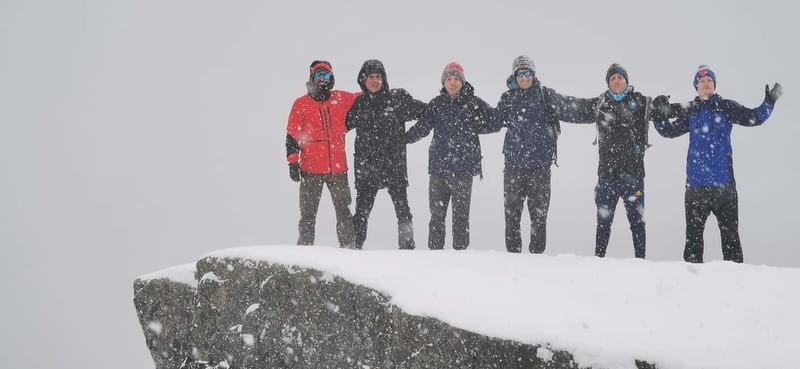
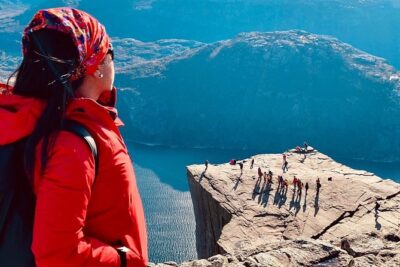
Reaching Pulpit Rock is the payoff. The expansive rock plateau juts out over the fjord, and the Lysefjord views are the reason you planned this trip in the first place.
This is also the time for the guided part to feel extra useful. You can rest, hydrate, and soak in the scenery while the guide keeps the group organized. It is easier to relax when someone else is thinking about the return timing and route.
Photo wise, yes, you can capture the classic images. But I like that you also get enough time for the “just stand and look” moment. The plateau setting makes the world feel quieter, and that’s when the fjord really shows its depth.
One practical tip: keep your phone or camera ready, but don’t let it steal your eyes entirely. Take a few shots, then let your gaze wander across the fjord and the cliffs below.
The downhill return over 4.2 km: quicker, not easier
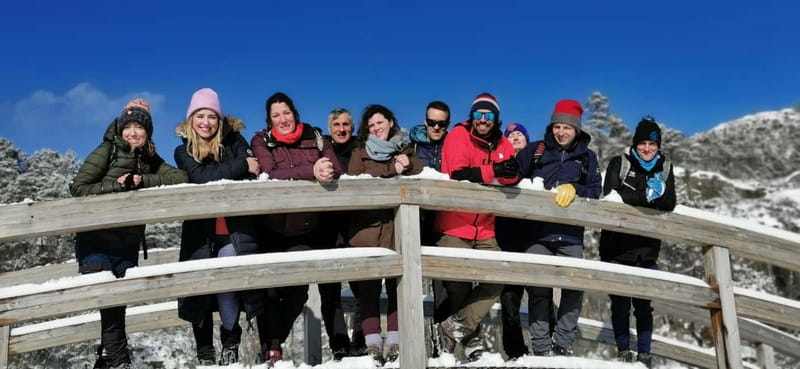
The return is a downhill journey of about 4.2 km back to base camp. Downhill usually feels faster, but it can be rough on knees and balance, especially when the trail has steeper sections.
This is the part where careful navigation is non-negotiable. The instructions are clear: keep a steady pace and stay aware of other hikers. Even when the group feels spread out, you’ll want to avoid sudden stops or wide swings of your step.
I also think this is where the guide’s calm style pays off. John’s patient approach and encouragement is exactly what you want when your legs start to feel heavy. You’re still working, even though it’s “the return.”
Hydrate and keep moving with control. The finish at base camp feels satisfying because you know you managed both the hard climb and the technical descent.
Running versus hiking: this is a run style, but it is not reckless
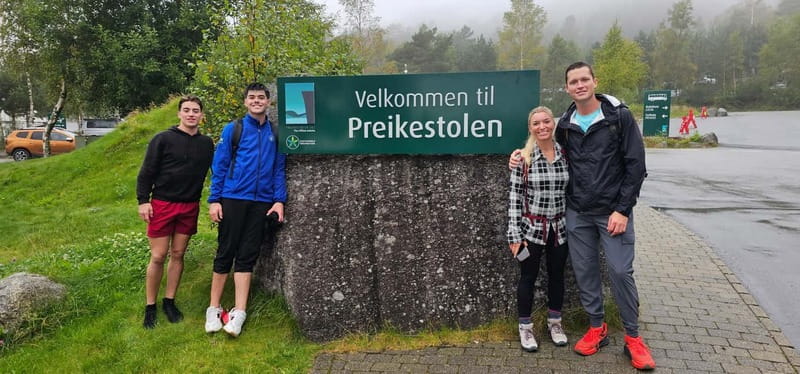
The experience is described as a guide to running to Pulpit Rock. That can sound intimidating if you picture nonstop jogging up stairs. In reality, the steep and rocky sections naturally force a mixed rhythm.
What makes it work for more people is the pacing. Guides are praised for waiting for people to climb many stairs and encouraging you to take your time. That suggests the program is built for a real effort, not a forced sprint.
So, if you want a run feeling, you can likely do that in the more level middle sections. If you prefer to hike most of it, the key is that you still keep a steady effort so you’re not arriving at the viewpoint exhausted and cranky.
This approach is especially valuable if you are visiting Norway for just a short time. You get the energy of a run, the structure of a guide, and the iconic end result, all in a roughly half-day window.
Price and value: what $156 buys you on this half-day
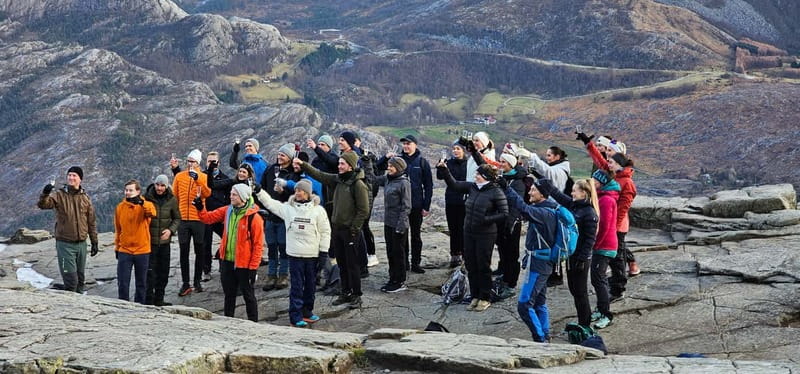
The price is $156 per person, and the value comes from what’s included and what you skip.
Included:
- Light snacks and water
- A guided hike to Preikestolen
- A less crowded trail plan
- English live guide
Not included:
- Dinner
On a pure cost basis, you could hike this route on your own. But this tour’s value is in reducing decision stress and adding a smoother experience. Transport from Stavanger to the base camp removes one big logistical headache. A guide also helps you move confidently through rocky and rugged sections.
The less-crowded trail idea matters more than it sounds. When a viewpoint is famous, crowding can drain your enjoyment. If this route planning helps you spend more time actually looking and resting, that’s money well spent.
Also, the guides’ weather awareness can be a true value. John adjusted timing about 30 minutes earlier to anticipate rain, so the group finished right before it started. That’s not just convenience. It can change how the summit feels and how comfortable the descent is.
Weather and gear: the small kit that keeps you comfortable
Mountain weather can be unpredictable, so bring clothes that survive a sudden change. The preparation advice is direct: bring a change of dry clothes and be ready for one of Norway’s most scenic hikes.
Here’s what I’d treat as your core kit based on the provided guidance:
- Trail shoes with good grip for rocky terrain
- Dry backup clothes in case you get wet
- A lightweight backpack
- Water and snacks, even if light snacks and water are included, since you’ll want control over your intake
- A windproof jacket, because exposed sections and cliff air can cool you quickly
Even if you feel fit, the weather factor is what catches people. You can be strong on stairs and still end up miserable if you’re damp and cold on the return.
And if rain threatens, pay attention to the guide’s plan. Weather-smart timing is part of why this experience gets strong feedback.
Who should book this run hike and who should think twice
This is a good fit if you want a half-day, high-reward hike with structure. It suits people who:
- Want to see one of Norway’s most famous viewpoints without managing the tricky parts alone
- Like a guided rhythm that keeps you moving safely
- Enjoy a run style but can handle stairs and rocky footing
- Appreciate local insight and a guide who will pause when needed
You might think twice if you have very limited mobility or you struggle with steep, rocky terrain and stair-heavy sections. The climb begins steep and rocky, and the return involves a downhill 4.2 km with navigation care.
Also, if your main goal is a super relaxed stroll with minimal effort, this will feel more demanding than that.
Should you book this Pulpit Rock run from Stavanger?
If you want the classic Preikestolen payoff, and you’d rather have a guide handle the pacing and route flow, I think this is an easy yes. The price reflects what you’re buying: transport support, a live English guide, light snacks and water, and a less crowded trail plan.
I would book it if you like the idea of an active day that still has patience built in, especially with guides like John and Tore who encourage careful stair climbing and adjust timing when rain threatens.
If you hate stairs or you are very sensitive to slippery rock and steep grades, you’ll probably have a tougher day. But for most people who are up for a scenic, demanding outing, this is one of the best ways to do it efficiently from Stavanger.
FAQ
How long is the Pulpit Rock experience?
Total duration is 5 hours, with guided time focused on the hike to Preikestolen.
Where do we meet for the hike?
You meet at Preikestolen BaseCamp, where you’ll get a welcome map and find the Hiking cafe.
Is there an English-speaking guide?
Yes. The tour includes a live guide in English.
What is included in the $156 price?
Light snacks and water are included, along with the guided tour to Preikestolen. The experience also focuses on enjoying a less crowded trail.
What should I bring?
Bring trail shoes with good grip. Pack a change of dry clothes, a lightweight backpack, water and snacks (light snacks and water are provided, but extra can help), and a windproof jacket.
Is dinner included?
No, dinner is not included.
Can I cancel if my plans change?
Yes, free cancellation is available up to 24 hours in advance for a full refund.
Summits on Foot
- Stavanger: Preikestolen Classic Hike and Side Trail★ 4.9 · 180 reviews
- Guided hike to Kjerag and Kjeragbolten★ 4.5 · 166 reviews
- Stavanger: Preikestolen Winter Hike + Hot Lunch★ 5.0 · 96 reviews
- Preikestolen | Pulpit Rock – Hike with a local guide★ 5.0 · 84 reviews
Newly marked on the map for Stavanger
- Private walking tour of Stavanger★ 5.0 · 1 review
- Stavanger Airport & City Transfser★ 5.0 · 1 review
- An amazing guided private walking tour of Stavanger.★ 5.0 · 1 review
- Stavanger: 2-Day Adventure with Preikestolen & Kjerag Hikes★ 5.0 · 1 review
- Viking Odyssey★ 5.0 · 1 review
- Stavanger: Waterfalls, Fjords, and Via Ferrata Day Trip★ 5.0 · 1 review
- Two Fjord SUP n Sauna Guided Paddle Tour (Stavanger)★ 5.0 · 1 review
- Stavanger: Månafossen Waterfall Hike with Traditional Meal★ 5.0 · 1 review
Preikestolen & Lysefjord Trips, compared.
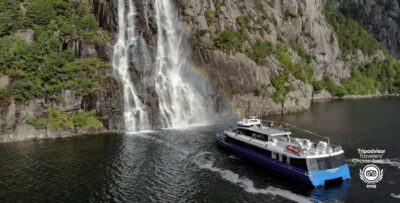
Electric Fjord Cruise to Lysefjord & Preikestolen
Read our review →

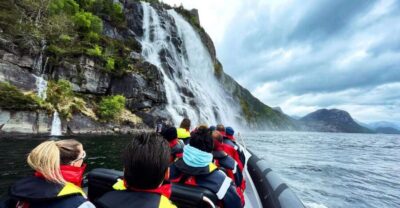
Lysefjorden & Pulpit Rock RIB-Safari from Stavanger
Read our review →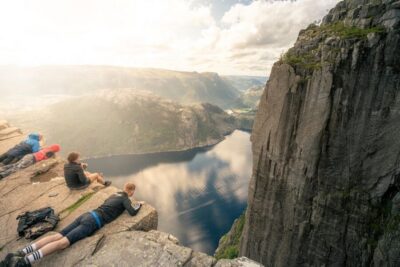
Browse the lists this tour appears in