
Reviewed · FISHING
Lofoten: Traditional Fishing Trip
Catch your fish the old way in Lofoten. I love the chance to catch your own fish and feel how the work actually runs on the MS Symra. The only drawback to plan around is that your catch depends on the season, so not every trip turns up the same species.
This is a 4-hour small-group outing limited to 10 people, so you get real coaching at the line. With 10 fishing stations aboard, you will share time and space with another guest, which keeps it friendly but can feel a bit crowded if you hate waiting.
You do not need fishing experience, just thermal underlayers and warm clothing. Boots are not included, and the trip goes rain or shine, so dress for wet, cold conditions.
In This Review
- Key Takeaways Before You Go
- A Real Hands-On Fishing Session on MS Symra
- How the Trip Runs, From Tool Talk to Filleting
- Which Fish You Can Expect in Lofoten Season
- What the Boat Setup Changes About Your Chances
- What to Wear and Bring for Cold Rain or Shine
- Food, Filleting Skills, and Taking Your Catch Home
- Price and Value: Is $146 for 4 Hours Fair?
- Who This Fishing Trip Suits Best (and Who Should Skip)
- Booking Decision: Should You Book This Lofoten Trip?
- FAQ
- What fish can I catch on this Lofoten trip?
- Do I need fishing experience?
- How long is the trip?
- Is food included?
- Are fishing gear and safety equipment provided?
- What should I bring and wear?
- How big is the group?
Key Takeaways Before You Go
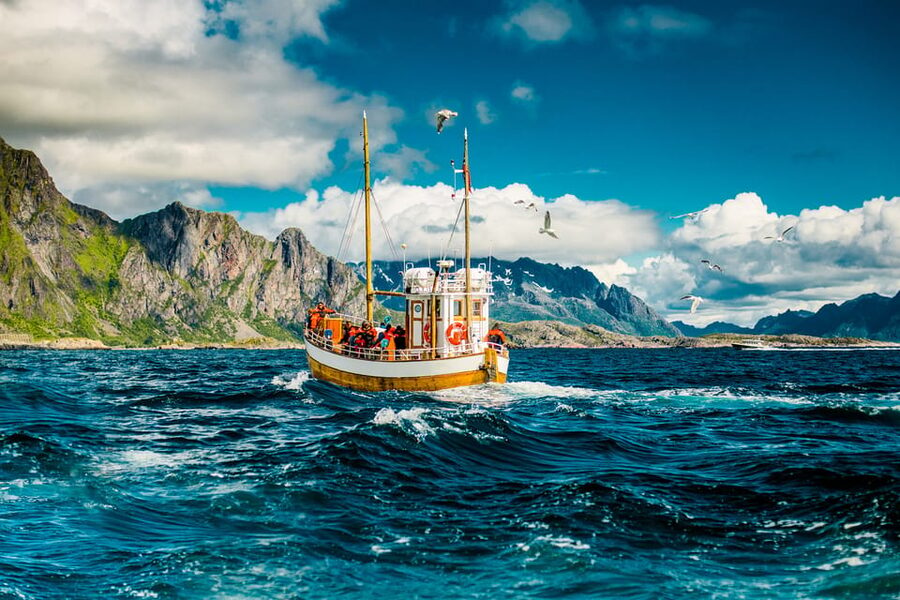
- Catch your own fish from a traditional line wheel
- 10 onboard fishing stations means shared space and attention
- Fillet on board, with guidance, then take your fish home if you want
- Season-dependent species, from skrei to mackerel, coalfish, haddock, and coastal cod
- English and Norwegian instruction, with an experienced crew
- Small group max 10 participants, no prior fishing experience required
A Real Hands-On Fishing Session on MS Symra
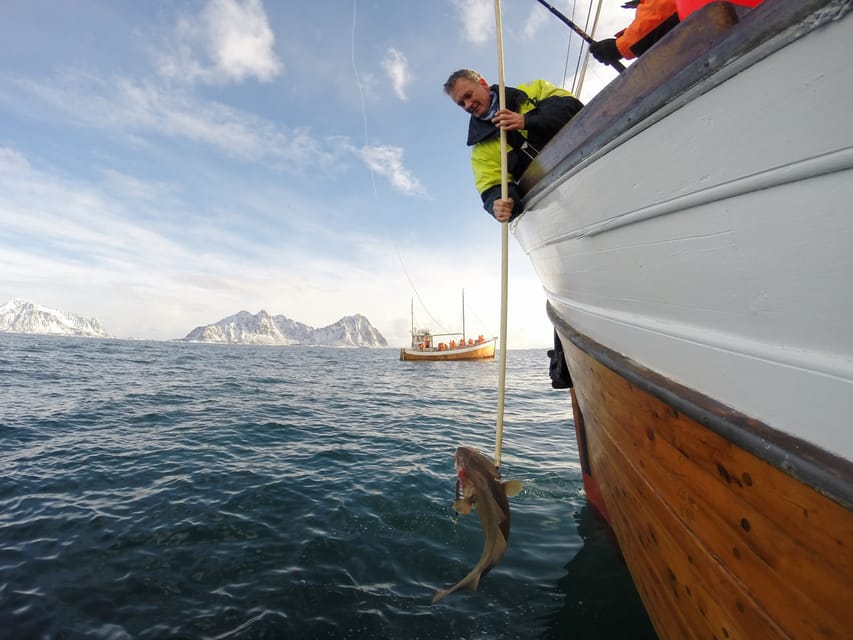
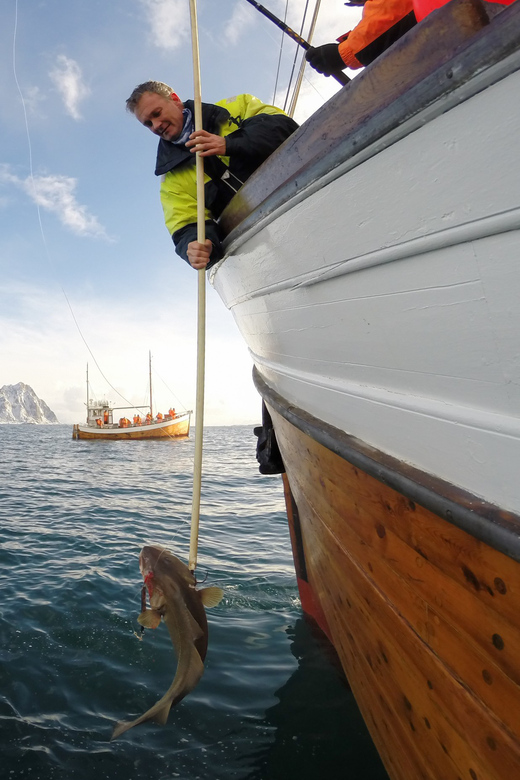
If you’ve ever watched fishing on TV and wondered what it feels like close up, this is the answer. You step onto a traditional fishing vessel, learn how the gear works, and then put your hands on it. The big difference here is simple: you are not just watching nature, you’re taking part in a working rhythm that people in Lofoten depend on.
I also like the way this trip is built around practical time. You get a tool and equipment introduction, then you move to actual fishing stations. And it stays friendly, because the group is capped at 10 participants, not a crowded mass.
One more thing I appreciate: you are given guidance throughout. You’ll have an experienced crew on hand, so even if you’ve never fished before, you’re not left guessing. Your success still depends on the day and the season, but the experience stays “hands-on with support,” which is exactly what most people want from a true fishing outing.
How the Trip Runs, From Tool Talk to Filleting
Think of the experience in three phases. Each one matters, and each one teaches you something useful.
1) Boarding and tool basics
Once onboard MS Symra, you’ll get a short introduction to the fishing tools and equipment. This is not a long lecture. It’s the kind of briefing that helps you understand what you’re holding, why it’s used, and what the crew expects from you at your station.
If you’re newer to fishing, this stage is where you’ll feel the most difference. Instead of struggling through step one on your own, you’ll start with a clear path.
2) Fishing at shared stations
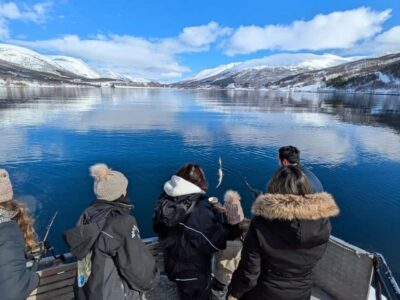
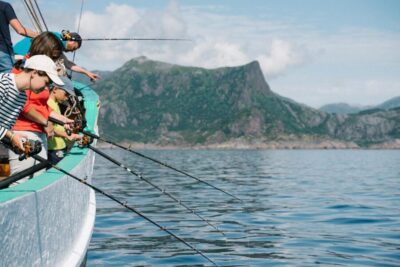
You’ll fish from one of the 10 fishing stations onboard. The trip is set up so stations are spaced for guests, and you share the onboard setup with another participant. That matters because it affects pacing. You might wait briefly for your moment, then reel in focus while the crew watches for technique and safety.
This shared-station setup also changes the vibe. It’s not quiet and solitary. You’ll likely trade quick questions with your station partner, and the crew can correct small mistakes faster when people are grouped.
3) Catch handling and filleting on board
After you catch your fish, the next step is learning how to fillet on the vessel. You get instruction from the crew, and you do the work yourself. That part can be surprisingly satisfying because it turns your catch into something you actually know how to use.
You can also take your fish home if you want. That makes the whole trip feel more like a complete loop, not just “catch for photos.”
Practical drawback to keep in mind: the time you spend fishing depends on conditions. Weather and fish activity can change the mood of the trip. On some days you’ll feel like you’re on a roll; on other days, it can feel slower.
More lines dropped in cold water:
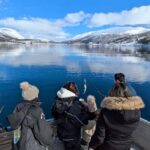
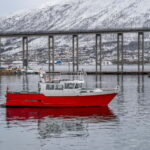
Which Fish You Can Expect in Lofoten Season
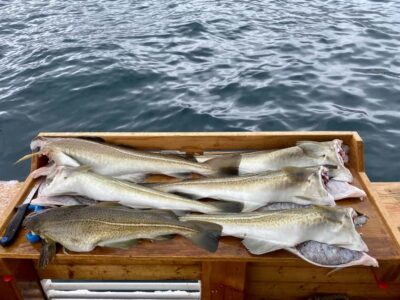
Lofoten fishing is seasonal, and this trip follows that reality. Depending on the time of year, you could catch skrei or other species such as mackerel, coalfish, haddock, and coastal cod.
Here’s the part you should plan around: you cannot choose the species. Even on a well-run trip, the day’s catch depends on what’s in the water. I’ve seen reports of trips where only one type came up for the entire outing, so the best mindset is to treat this as an education in real fishing, not a guaranteed tasting tour of a specific fish.
That said, this variability is also why the trip can feel authentic. Traditional coastal fishing is not a theme park. It’s seasonal work, and the crew’s job is to guide you through that uncertainty.
If you’re thinking about what to eat afterward, that’s smart to keep flexible too. Rather than planning a single “I must catch cod” meal, plan on being happy with whatever your line brings in.
What the Boat Setup Changes About Your Chances
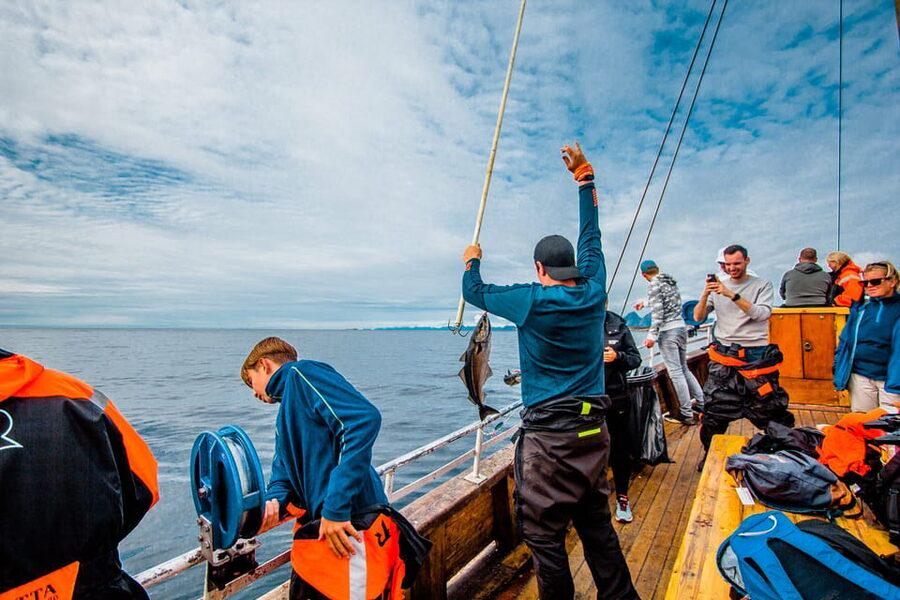
The vessel setup is more than logistics. It shapes how you experience the trip.
You get 10 fishing stations, and the group is limited to 10 participants. In practice, that means you’re not stuck far from the action, and you’re not waiting in line for the gear all day. You are close enough to understand what’s happening around you, and the crew can check your technique without disappearing across a deck.
The tradeoff is that you share space. If you’re someone who loves total solitude, this might feel a little busy. It’s still small group, but it’s not a private boat expedition. You’ll be part of a working system, with others doing the same thing near you.
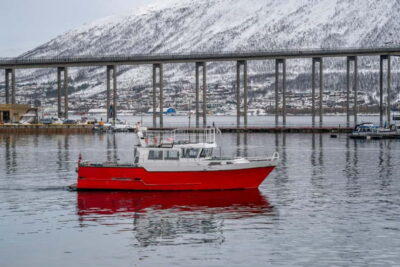
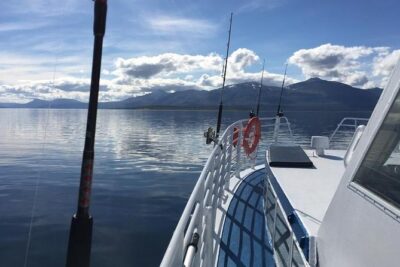
The “traditional vessel” angle matters too. A traditional fishing boat isn’t designed for comfort first. It’s designed for work. That’s not a dealbreaker, it just means you’ll want to dress for movement and the kind of motion that comes with wind and waves.
What to Wear and Bring for Cold Rain or Shine
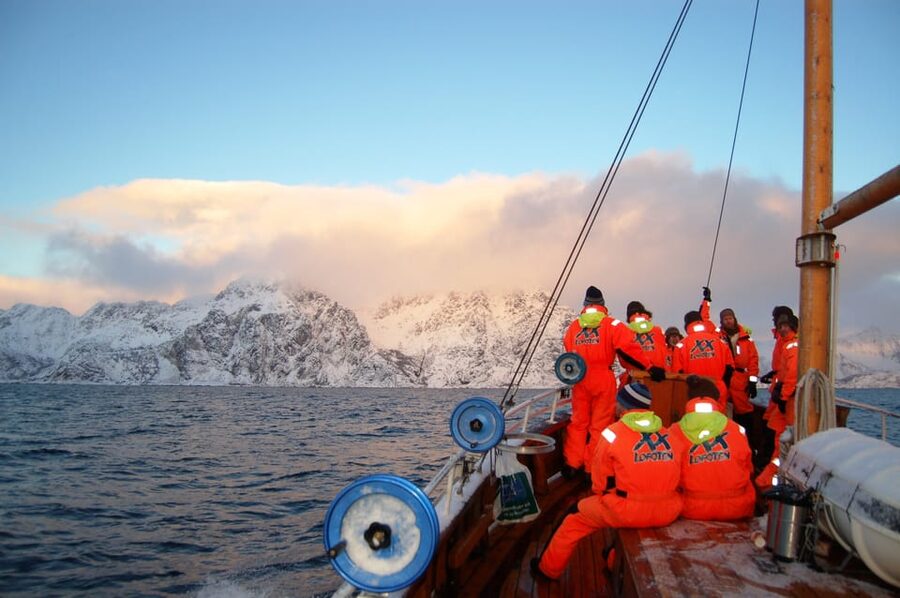
This trip is straightforward about what you need: warm clothing.
The key phrase here is thermal underlayers. Wear layers that trap warmth even when you’re damp. The outing runs rain or shine, and the sea air in Lofoten can turn quickly chilly, even when you thought the weather looked fine from shore.
Boots are not included, but you can rent them on-site. If you already have waterproof winter boots, bring your own. If not, rental is your backup plan, and it keeps you from overpacking.
You can bring your own food. Food is not included, so don’t assume you’ll eat onboard. If you’re coming from a long travel day, pack a simple snack and drink you can handle in cold weather.
Safety equipment is included, so you don’t need to bring life gear. Still, you should treat this as a real working boat outing: move carefully, listen when the crew gives instructions, and keep your hands and feet aware around the deck and station.
Where the path branches next in Svolvaer
- From Svolvær: Lofoten Islands Silent Trollfjord Cruise
★ 4.8 · 2,979 reviews - From Svolvær: Lofoten RIB Sea Eagle Safari Trollfjord Cruise
★ 4.9 · 908 reviews - From Svolvær: RIB Boat Lofoten Trollfjord Sea Eagle Safari
★ 4.9 · 754 reviews - From Svolvaer: Sea Eagle Safari to Trollfjord
★ 4.9 · 623 reviews
Food, Filleting Skills, and Taking Your Catch Home
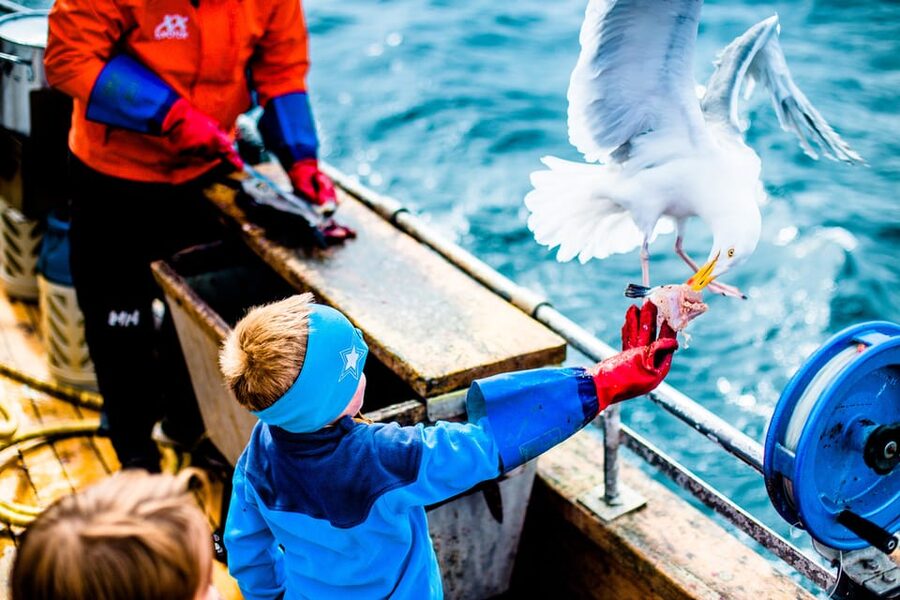
This is one of the best value parts of the experience. Many tours stop at “you caught something.” Here, you go further.
After catching your fish, you learn how to fillet it on board. That means you’re getting a skill, not just a souvenir catch. It also helps reduce waste. If you take fish home, you’re more likely to know what to do with it because you did the steps yourself.
Taking your catch home is optional, not mandatory, so you can decide based on how you’re traveling. If you’re flying, you might think twice depending on how you handle food in transit. If you’re staying in the area a few days, it’s easier to plan meals around it.
Food is not included, but you can bring it. This is good because it lets you eat in your preferred way. If you like to keep meals light in cold weather, bring something simple. If you need a warm meal later, at least you won’t be surprised by hunger midway through the trip.
The other point I like: the crew shares stories and anecdotes while you’re out there. That makes the time feel connected to place and work, not just an exercise in catching fish.
Price and Value: Is $146 for 4 Hours Fair?
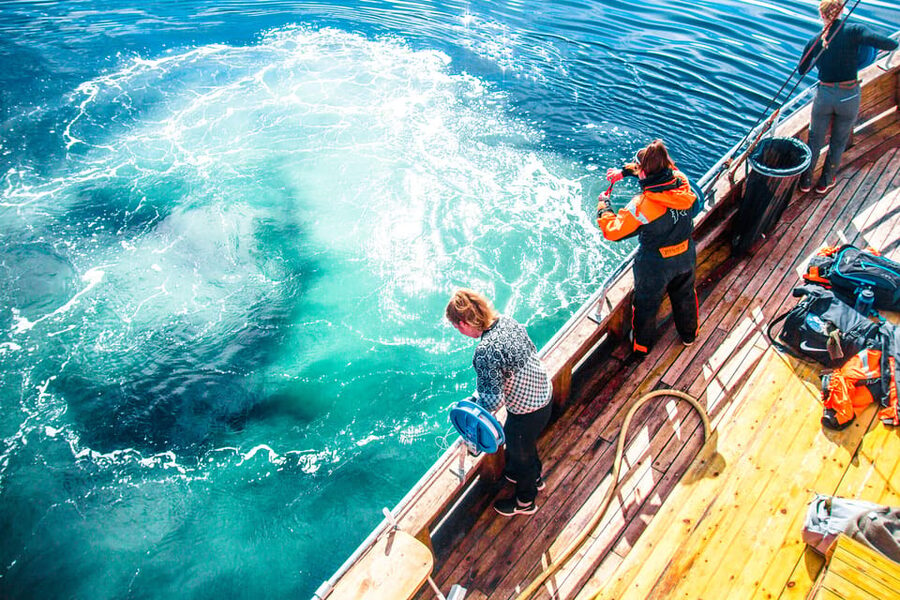
At $146 per person for a 4-hour experience, you are paying for more than the boat ride. The value comes from the included components:
- Fishing kit
- Safety equipment
- Experienced crew guidance
- Tool and equipment instruction
- Filleting instruction on board
Add to that the small group size. With a max of 10 people, you’re not fighting for attention. You’ll likely get more practical help when learning technique, and the crew can correct issues faster.
What’s not included matters too:
- Boots rental is available on-site, but not included
- Food is not included
So you should budget for warm clothing and either your own waterproof boots or rental. You also should pack food if you’ll want it during the trip.
For me, the fairness test is this: if you want a guided, hands-on experience where you catch and fillet your own fish, this price feels aligned with what you’re getting. If your main goal is guaranteed lots of fish of one specific type, this may not meet your expectations because the catch depends on season and conditions.
Who This Fishing Trip Suits Best (and Who Should Skip)
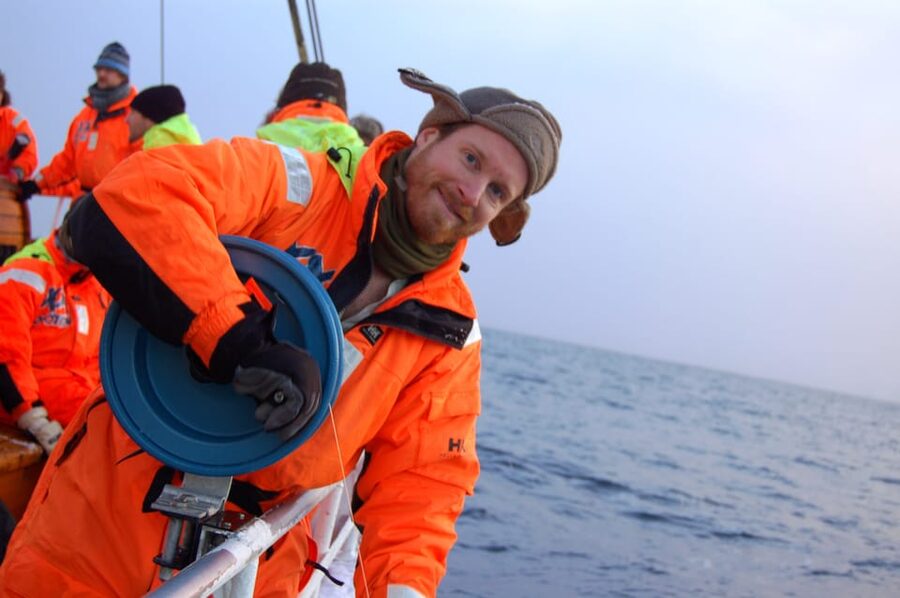
This tour fits best if you want practical experience and don’t mind getting a little cold and wet.
It’s a great match for:
- First-timers who want step-by-step guidance and learn real techniques
- People who enjoy hands-on work and want a tangible outcome
- Anyone traveling in a small group who likes practical stories from working locals
It’s not for everyone. The trip is not suitable for people with mobility impairments. That’s important because a fishing vessel has real movement, deck angles, and equipment access that can be difficult.
Also, pets are not allowed. Assistance dogs are allowed, but keep that in mind if you travel with an animal.
Booking Decision: Should You Book This Lofoten Trip?
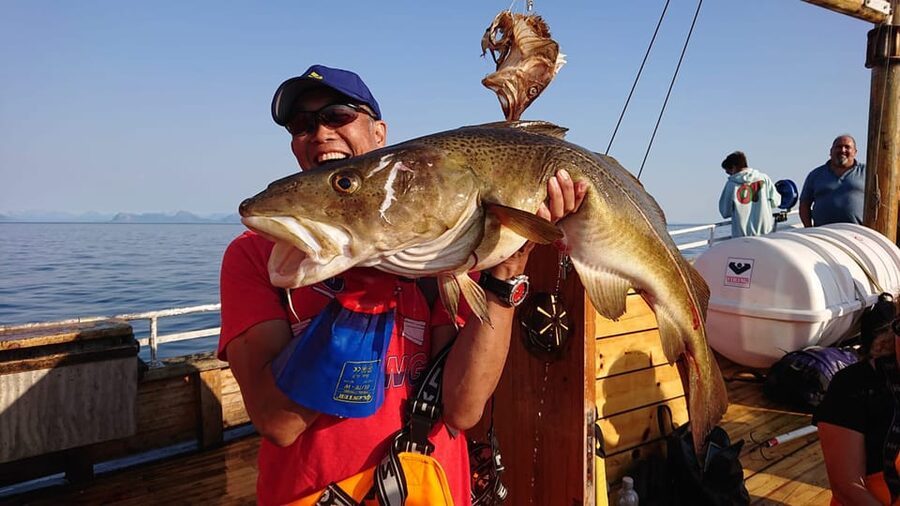
If your goal is authenticity, this is the kind of activity that delivers. You’re not paying for a staged moment. You’re paying for time on a traditional fishing vessel, guided tool instruction, and the chance to catch, fillet, and take fish home.
Here’s my quick decision checklist:
- Book it if you want learn-by-doing and you’re okay with seasonal fish variety.
- Skip it if you need guaranteed fish species, guaranteed abundance, or a fully comfortable ride.
- Pack like weather will be rough. Warm clothing is not optional for comfort.
- Bring your own food if you get hungry, because food is not included.
One last reality check. Because catches vary, consider what you’ll be happy with even if fishing is slower that day. If you can enjoy the learning, the crew guidance, and the onboard filleting step, you’ll likely feel like it was money well spent.
FAQ
What fish can I catch on this Lofoten trip?
Depending on the season, you could catch skrei, mackerel, coalfish, haddock, and coastal cod.
Do I need fishing experience?
No fishing experience is required. You will get a brief introduction to the fishing tools and equipment, plus professional guidance from the crew.
How long is the trip?
The duration is 4 hours.
Is food included?
No. Food is not included, but you are welcome to bring your own food on the tour.
Are fishing gear and safety equipment provided?
Yes. A fishing kit and safety equipment are included.
What should I bring and wear?
Wear warm clothing with thermal underlayers. Boots are not included, but you can rent them on-site.
How big is the group?
It is a small group limited to 10 participants. There are 10 fishing stations onboard. You will share with another guest.
Newly marked on the map for Svolvaer
- Lofoten Highlights Photo Tour – Reine, Hamnøy & Å★ 4.5 · 7 reviews
- Lofoten Ultimate Aurora Hunt★ 4.0 · 9 reviews
- Sea Eagle Sunset Cruise★ 4.0 · 9 reviews
- Private Full Day Sightseeing Tour from Svolvær to Å★ 5.0 · 12 reviews
- Evening Kayaking★ 4.5 · 12 reviews
- Lofoten VIP PRIVATE tour from Svolvaer★ 5.0 · 13 reviews
- Lofoten Highlights Photo Tour – Henningsvær & Haukland★ 5.0 · 14 reviews
- Svolvær: Sami Culture and Reindeer Experience★ 4.7 · 14 reviews
Fishing, compared.
Molde: Atlantic Ocean Road and Tour of Bud Fishing Village
Read our review →
Browse the lists this tour appears in