
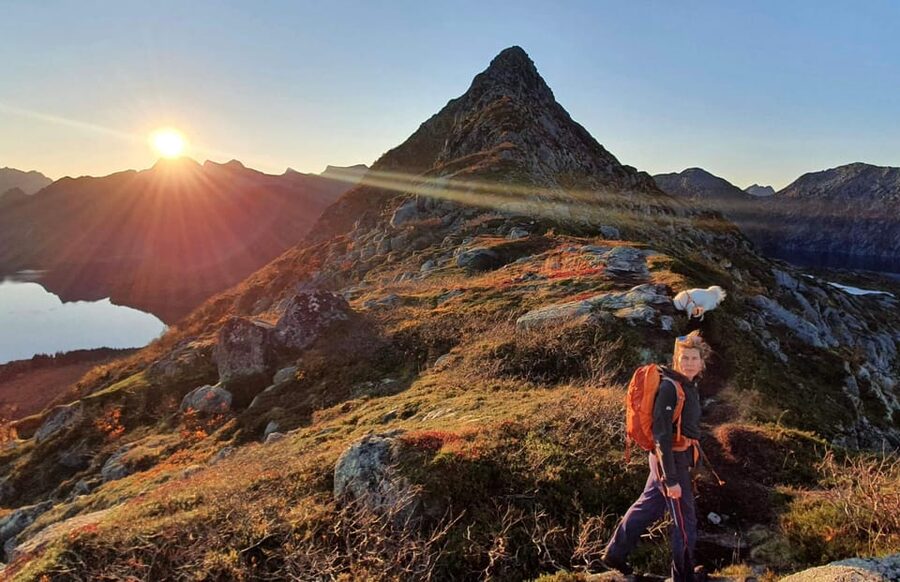
Reviewed · HIKING & TREKKING
Lofoten Islands: Guided Hiking Into the Wilderness – Uphill
A hike in Lofoten means real mountain weather. I like the mix of uphill effort and calm wilderness, plus the chance to learn what you are seeing as you walk. What makes it especially good is the built-in pacing with a professional local guide, so you feel steady even when the wind picks up. My one caution: it is a workout, and it is not meant for low-fitness days.
I love that the route starts right at sea level and climbs to about 550 m, then gives you time for a break and photos before the final push. You also get practical help, like what layers to wear and how to keep moving when the weather changes fast. The possible drawback is simple: you are going uphill for several hours, and you will need the right shoes and rain gear to stay comfortable.
In This Review
- Key things to know before you hike uphill in Lofoten
- Why this uphill hike in Lofoten feels like wilderness, not a stamp-collection stop
- The Gimsøystraumen meetup, and how the hike gets set up in 15 minutes
- The main climb: uphill hiking to around 550 m, with a real intermediate workout
- Break time and photo stop: using the pause to manage weather and energy
- The final 1.5 hours to the mountain top, and the trick to not overdo it
- What to pack for Lofoten uphill: boots, layers, rain gear, and food that actually works
- The guide experience: professional local leadership, pacing, and a possible dog cameo
- Price and value: what $136 gets you in the Lofoten wilderness
- Who should book this uphill hike, and who should skip it
- Should you book Uphill guided hiking in Lofoten?
- FAQ
- How long is the guided hiking experience?
- Where is the meeting point?
- How high do you hike during the uphill route?
- Is this a difficult hike?
- What is included with the tour?
- What language is the tour guide?
- What should I bring for this hike?
- Are walking poles provided?
- Is the tour suitable for children?
- What is the cancellation window?
Key things to know before you hike uphill in Lofoten
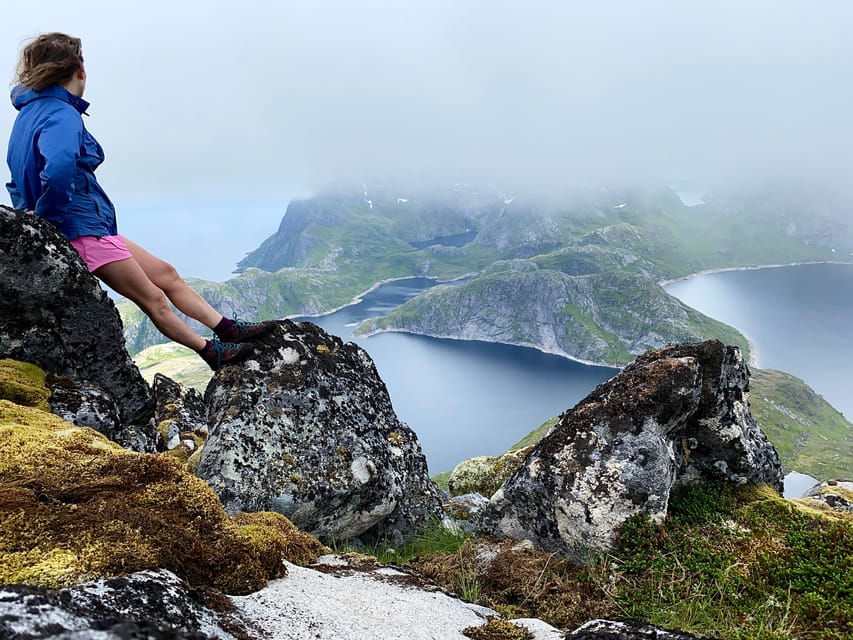
Sea-level to 550 m ascent makes the views feel earned, not staged.
Small-group comfort with a real nature guide helps you hike at the right pace.
Walking poles included take some strain off on uneven, uphill ground.
Weather can flip quickly on the peak, so plan for wind and waterproof layers.
Tour time is flexible (about 3.5 to 4 hours) based on breaks and fitness.
Meeting point is specific: Gimsøystraumen parking by the red building and the bridge area.
Why this uphill hike in Lofoten feels like wilderness, not a stamp-collection stop
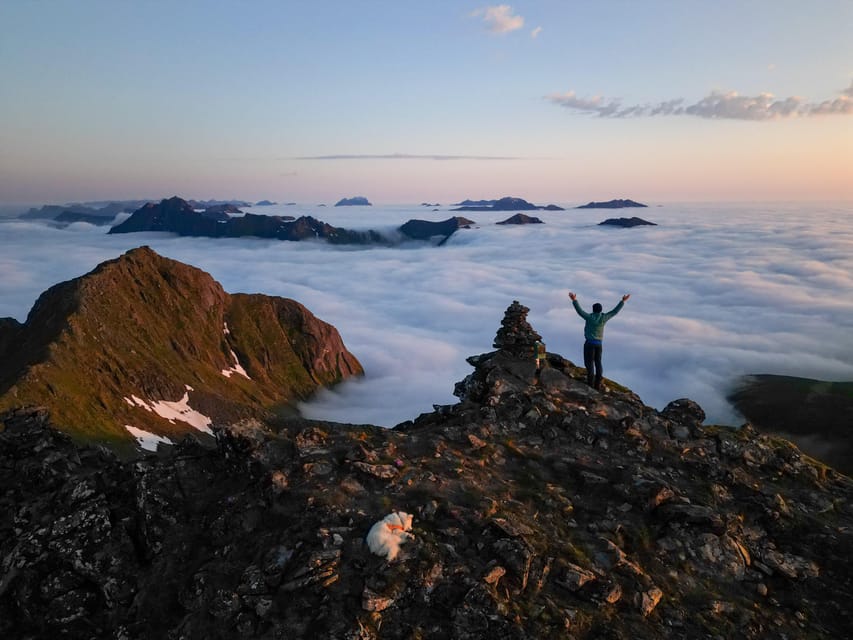
Lofoten has plenty of viewpoints. This is different. This hike turns the landscape into something you move through, step by step, from the low coast up toward the mountain top. I like that because it keeps you present. One moment you are watching the coastline and sea-level air, and the next you are climbing into cooler wind and higher light.
You will also get a guide who can put names and meaning on what you notice out there. The tour is described as a chance to learn about local wildlife and culture, and that matches what you feel during the hike: the places have a story, even when you are far from towns and roads.
The other big plus is safety through structure. You start with a short safety briefing, you hike in a guided rhythm, and you get breaks built in. That matters in Lofoten, where conditions can change quickly on exposed peaks, even if the morning starts calm.
The Gimsøystraumen meetup, and how the hike gets set up in 15 minutes
The meeting point is Gimsøystraumen, at the large parking area that overlooks the bridge. You meet the guide at the red building. It is easy to miss if you arrive fast and assume signage will do the work, so give yourself a few extra minutes and look for that red building.
Before anyone climbs, you get a 15-minute safety briefing. For me, that is not just a formality. In practical terms, it is where you get expectations set for the uphill sections, how the group will pace, and what to watch for if the weather turns. That short intro makes the rest of the tour feel smoother, especially if you are not a daily hiker.
A small detail worth knowing: the guide comes in English. So if your hiking questions are practical, like boot fit, layer choices, or where to place your feet on a tricky patch, you can ask directly and understand the answer.
More summits earned on foot:


The main climb: uphill hiking to around 550 m, with a real intermediate workout
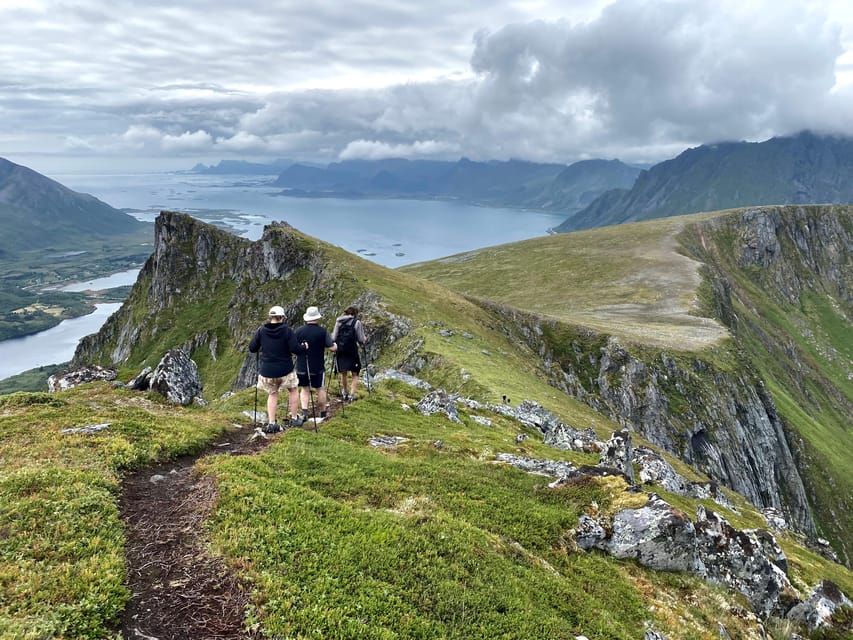
The hike starts at sea level and rises to about 550 m above sea level. The tour calls this intermediate difficulty and frames it as an uphill route to a scenic mountain top. In other words, it is not a flat walk. You are earning elevation, and you should expect breath and leg burn.
The first hiking block is about 2.5 hours, and the total time for the hike portion is listed as roughly 3.5 to 4 hours when you include breaks. That means your day is not just a quick hit. You will hike long enough to feel satisfaction, but the guide can adjust the pace if your group needs it.
This is where walking poles become more than a nice extra. Poles help on sustained uphill effort and can reduce stress when your footing changes. Since they are included, you do not have to hunt down gear before you go.
What you should plan for on this climb:
You will need comfortable hiking boots. This tour specifically asks for hiking shoes, not just sneakers.
You will want wind and waterproof layers ready, because conditions can shift at altitude.
Bring water bottle and snacks or sandwiches, so you do not burn out waiting for the next stop.
One more thing: the path is described as simple and in good condition in the same spirit that makes the hike enjoyable for people with a medium level of training. That does not mean it is easy. It means it is manageable if you are dressed for the outdoors and you keep a steady pace.
Break time and photo stop: using the pause to manage weather and energy
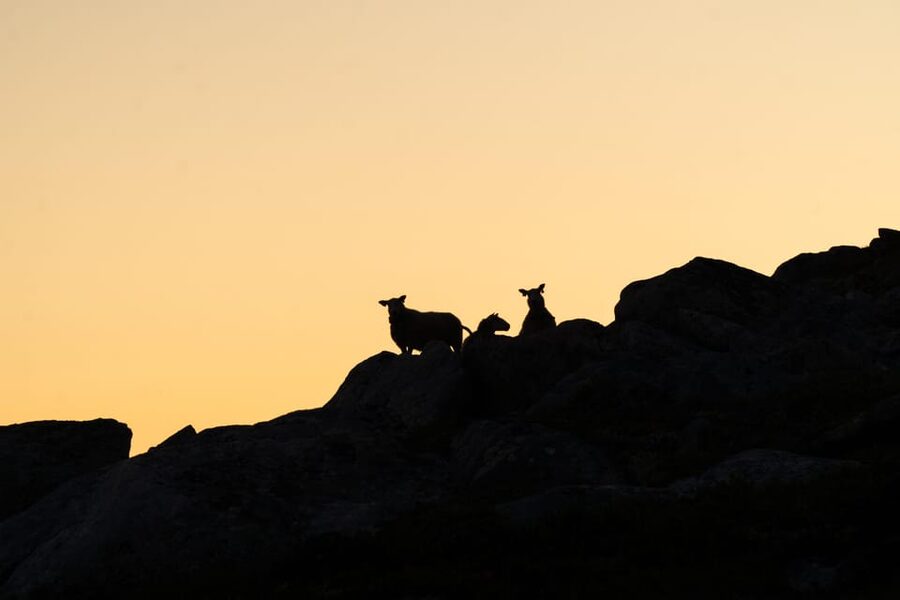
After the first main hiking segment, you get a break and photo stop of about 20 minutes. This is a key part of why the tour feels like a guided experience instead of a forced march. You get to reset, drink water, and regroup before the final stretch.
It is also the moment to check the sky and adjust your layers. One useful tip from the experience is to bring a small day pack so you can dress in layers. If you reach the peak area and the wind or rain arrives, layering is what turns a cold moment into a tolerable one. A compact backpack makes that change fast.
And yes, Lofoten weather can play tricks. One firsthand account notes classic Lofoten changes, with what felt like four seasons in one morning. That lines up with what you should assume: conditions can be calm at sea level and then turn wet or windy higher up. The guide’s job is not to control weather, but to help you stay comfortable and safe as it changes.
If you are the type who wants photos, this is when you will pause without feeling rushed. If you are the type who prefers steady movement, use the break to fuel and then get ready to hike again.
The final 1.5 hours to the mountain top, and the trick to not overdo it
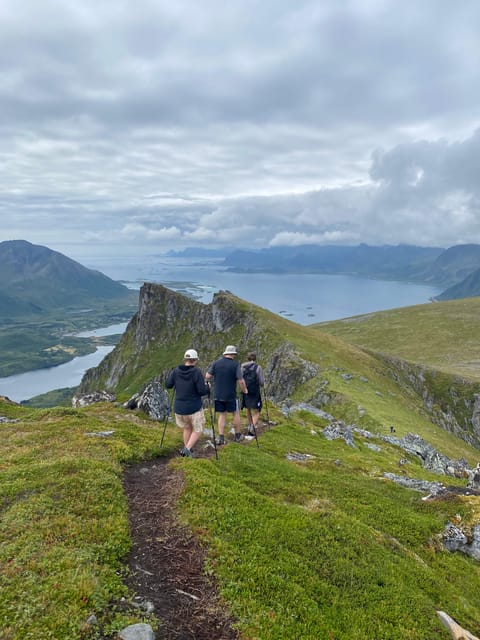
The second hiking block is about 1.5 hours, and it takes you from the break area into the scenic mountain-top zone. This is where you might feel the uphill fully in your legs, but it is also where the payoff tends to happen: views, fresh air, and that clean sense of being far from daily noise.
A great guided hike is about pacing, and this one is designed for that. In one account, the guide slowed down when the terrain got more challenging and also worked around photo moments. That is exactly the kind of adjustment that keeps an intermediate hike from turning into a stressful sprint.
What to do so the final stretch stays enjoyable:
Keep your effort steady, not explosive. Uphill fatigue hits harder than you expect.
Watch your breathing on the steeper bits. If you can speak in short sentences, you are probably in a good rhythm.
Use your poles if you have them. They help you keep balance and reduce strain.
If it starts raining or wind ramps up, treat it as a layer problem first. Then treat it as a speed problem.
Because you reach a scenic top area after climbing from sea level, the hike feels like a full arc. You start close to the coast, you climb into higher air, and then you finish with the satisfaction that you did something physical in a place that is truly rugged.
Where the path branches next in Nordland County
- From Tromsø: Ice Domes Snow Park and Wilderness Experience
★ 4.6 · 1,255 reviews - From Bergen: Folgefonna National Park & Glacier Lake Tour
★ 4.9 · 589 reviews - Musk ox Safari in Dovrefjell National Park, Oppdal Safari
★ 5.0 · 524 reviews - Bergen Day Tour to National Park Folgefonna and Glacier Lake
★ 5.0 · 408 reviews
What to pack for Lofoten uphill: boots, layers, rain gear, and food that actually works
This tour is very clear about what to bring, and I agree with the logic. Lofoten hikers need to dress like weather will change every hour, because it often does.
Bring:
Hiking shoes or comfortable hiking boots
Rain gear and outdoor clothing
Weather-appropriate layers, plus extra layers for the peak
Hiking pants
A backpack with a water bottle
Snacks or a sandwich
A small practical upgrade: if you pack snacks in a way you can reach easily, you drink and eat before you feel hungry. That keeps your body from working against you.
Also, consider what you will do if you get cold at the top. Waterproof outer layers matter, but a layered base matters too. If you can change layers quickly during that 20-minute break, you will enjoy the last stretch a lot more.
The guide experience: professional local leadership, pacing, and a possible dog cameo
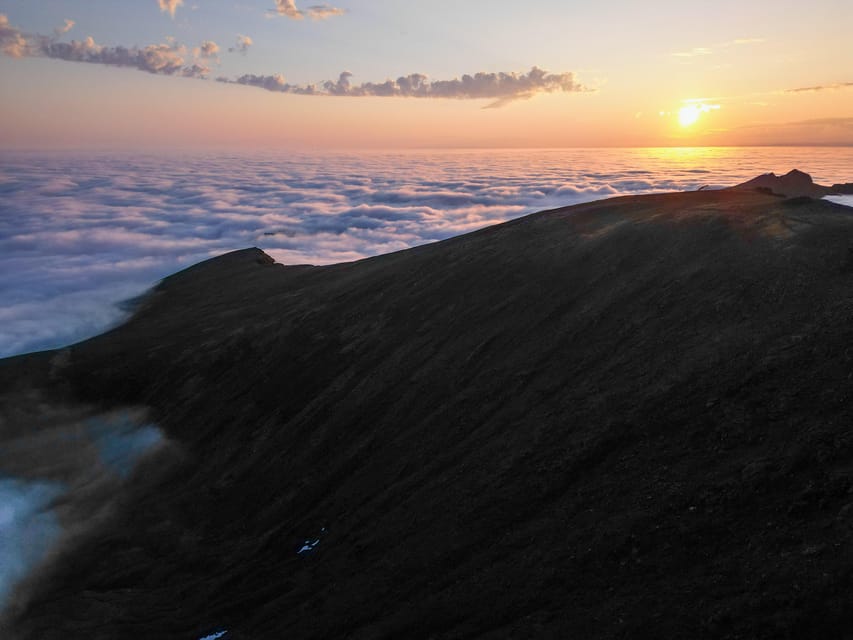
The tour includes a guide and walking poles, which means you are not relying on luck once you step off the parking lot. The tour is described as having professional local nature guiding, and the tone from the experience is consistent: you get support, you get context, and you get a safe pacing plan.
One account mentions a guide named Paul, calling him excellent. The praise was not just about knowledge. It was about being accommodating, slowing down for challenging areas and adjusting for photos. That tells you what kind of hiking style to expect: a guide who understands that not every person walks the same way, even on the same route.
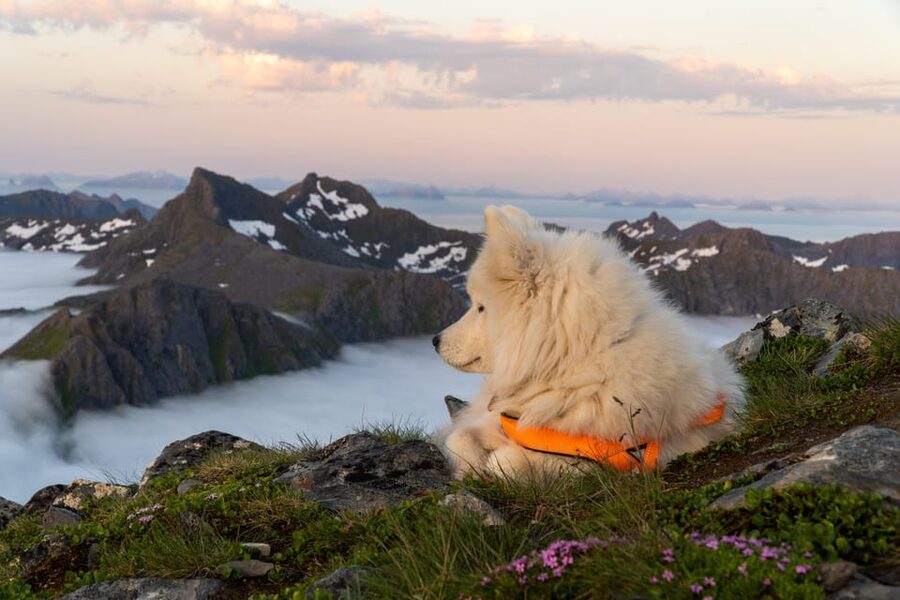
There is also a fun chance that your guide may bring a dog. One account describes a guide who asked for permission before bringing her dog. If that matters to you, it is worth asking beforehand, so you know what to expect.
In general, you are paying for more than directions. You are paying for safety through good decision-making and for the kind of on-the-ground guidance that helps you feel confident on a changing mountain.
Price and value: what $136 gets you in the Lofoten wilderness
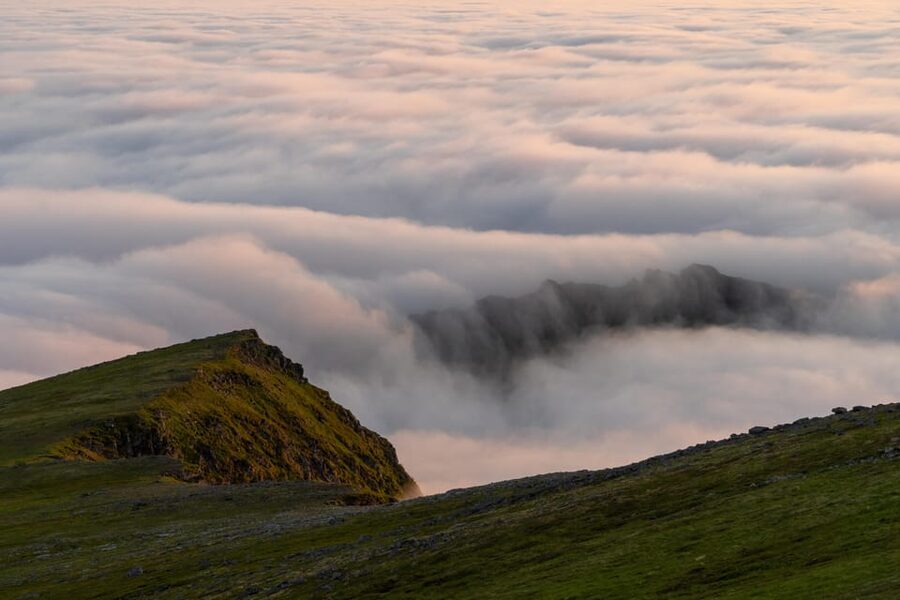
At $136 per person for a 1-day guided hike, the value comes from what is included and what you avoid by going guided. You get:
A live English guide
Walking poles
A structured route with a safety briefing
Time for breaks and photos built into the plan
If you hike in Lofoten on your own, you might save money, but you also take on planning stress, gear stress, and weather stress. Here, the guide handles route familiarity and the pacing decisions that keep the hike safe for intermediate hikers. They also help you make sense of the landscape while you move through it.
It is also a good value for the time you get. The hike stretches to about 3.5 to 4 hours total, with a clear climb up to around 550 m. For a destination where the weather can change fast, having local guidance for timing and comfort is not a luxury. It is part of getting your day to actually work.
Who should book this uphill hike, and who should skip it
This tour is not a fit for everyone. It is not suitable for children under 12, people with heart problems, wheelchair users, or anyone with low fitness. That is not gatekeeping. Uphill hiking to 550 m takes real effort.
Who it suits best:
Adults with medium fitness who can handle uphill for several hours
Hikers who want guided context about wildlife and culture while moving through real terrain
Anyone who prefers small groups, since private or small-group options are available
Who might consider a different option:
If you struggle with sustained uphill walking, this may feel too hard.
If you are sensitive to cold or wet conditions, plan your layers carefully and do not cut corners on rain gear.
If your mobility is limited, the uphill nature and terrain may be a mismatch.
Should you book Uphill guided hiking in Lofoten?
If you want more than a quick photo stop, I think this is a strong choice. You get a real climb, a guided pace, and time to regroup and take photos. The guide support and included walking poles make it feel safer and easier to manage than doing it solo, especially when Lofoten weather turns.
Book it if:
You enjoy uphill hiking and want the payoff of reaching a mountain-top area
You are prepared with hiking boots, rain gear, and layers
You like the idea of learning wildlife and culture while you hike, not just looking from a distance
Skip it if:
You are not comfortable with an intermediate uphill workout
You have heart problems or low fitness
- You know you will not dress for wind and waterproof conditions
If you are on the fence, your best move is simple: check your comfort with uphill walking, then pack for weather changes. Do that, and this hike is likely to feel like one of the most “real Lofoten” half-day moments you can have.
FAQ
How long is the guided hiking experience?
The tour is listed as lasting 1 day, and the hiking time is about 3.5 to 4 hours depending on breaks and your group’s fitness level.
Where is the meeting point?
You meet in the parking area at Gimsøystraumen. The guide waits at the red building, near the large parking overlooking the bridge.
How high do you hike during the uphill route?
The hike starts at sea level and reaches about 550 m above sea level.
Is this a difficult hike?
It is described as intermediate difficulty, with an uphill route to a scenic mountain top. It is not recommended for people with low level of fitness.
What is included with the tour?
The tour includes a guide and walking poles.
What language is the tour guide?
The live tour guide is English.
What should I bring for this hike?
Bring hiking shoes, rain gear, comfortable clothes, weather-appropriate clothing, outdoor clothing, and hiking pants. Also bring a backpack with a water bottle and snacks or sandwiches, plus extra layers.
Are walking poles provided?
Yes. Walking poles are included.
Is the tour suitable for children?
No. It is not suitable for children under 12 years.
What is the cancellation window?
You can cancel up to 24 hours in advance for a full refund.
Newly marked on the map for Nordland County
- “Hiking in the Lofoten Islands – Guided in French”★ 5.0 · 1 review
- Lofoten: Unique Winter Snorkeling Experience★ 5.0 · 1 review
- Lofoten: Guided Mountain Snowshoe Adventure★ 3.7 · 3 reviews
- Lofoten: First Time Scuba Diving Experience★ 4.8 · 4 reviews
- Lofoten: Daytime Kayak Tour with Guide: Gravermark, Lofoten★ 5.0 · 7 reviews
- Lofoten Islands: Guided Snowshoeing Tour – Uphill version★ 5.0 · 8 reviews
- Lofoten: Half Day Snowshoe Tour★ 4.9 · 16 reviews
- Svolvær: Experience the Magic of the Northern Lights!★ 4.8 · 37 reviews
Hiking & Trekking, compared.
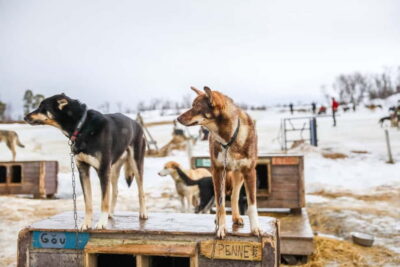
Guided Husky Snowshoe Hike and Husky Camp Visit
Read our review →
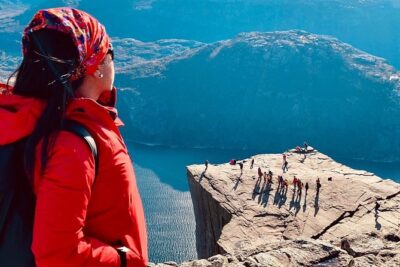
Preikestolen (Pulpit Rock) Hike with Local Guide
Read our review →
Browse the lists this tour appears in