
Reviewed · WHALE WATCHING
From Skjervøy: Whale Watching in a Heated Cabin Cruiser
Winter fjords feel wild, until you step aboard. I love the heated cabin setup, plus the warm flotation suit, because it keeps you comfortable while you scan Skjervøy for orcas. I also like the chance to use hydrophones, turning a cold wait into whale sound watching, with hot drinks and waffles to keep you going.
There is one drawback to plan for: whale encounters are never 100 percent predictable. Even with a careful, experienced skipper, you might see whales from farther out, depending on where they surface and how they move in the fjord.
In This Review
- Why This Heated-Cabin Orca Tour Feels Different
- Skjervøy Orcas, Warmth, and the Real Point of This Tour
- Getting There at Havnegata 16 and Finding Dervola Adventure
- What Happens Before the Fjord Search: Safety, Suits, and Gear Sanity
- The 4-Hour Whale Watching Loop: Where Your Eyes Need to Be
- Indoor vs Outdoor Viewing: How to Photograph Without Freezing
- Hydrophones on the Water: Listening for the Whales
- Warm Drinks, Waffles, and the Small Comforts That Matter
- Seasons, Ethics, and the Odds of Seeing Orcas
- What I’d Pack for Skjervøy in Winter (So You Enjoy It)
- Price and Value: Is $278 Worth It?
- Who This Tour Fits Best, and Who Might Want a Different Style
- Should You Book This Heated Cabin Orca Tour?
- FAQ
- How long is the whale watching tour?
- Where is the meeting point in Skjervøy?
- What whales can you expect to see?
- Is the boat heated?
- What food and drinks are included?
- Are flotation suits, gloves, and footwear provided?
Why This Heated-Cabin Orca Tour Feels Different
- Heated cabin comfort means you can warm up between whale sightings and keep moving for photos.
- Hydrophones when conditions allow let you listen for whale activity, adding a whole second layer to the trip.
- Warm flotation suits plus dry storage help you stay warm and keep camera gear protected.
- A respectful approach keeps the focus on viewing, not chasing, so the animals stay in control of their own behavior.
- Refreshments included with a hot drink and waffles, including waffles served with Sylt and Ost.
- You still get outdoor viewing with indoor and outdoor seating, so you can choose what feels right.
Skjervøy Orcas, Warmth, and the Real Point of This Tour
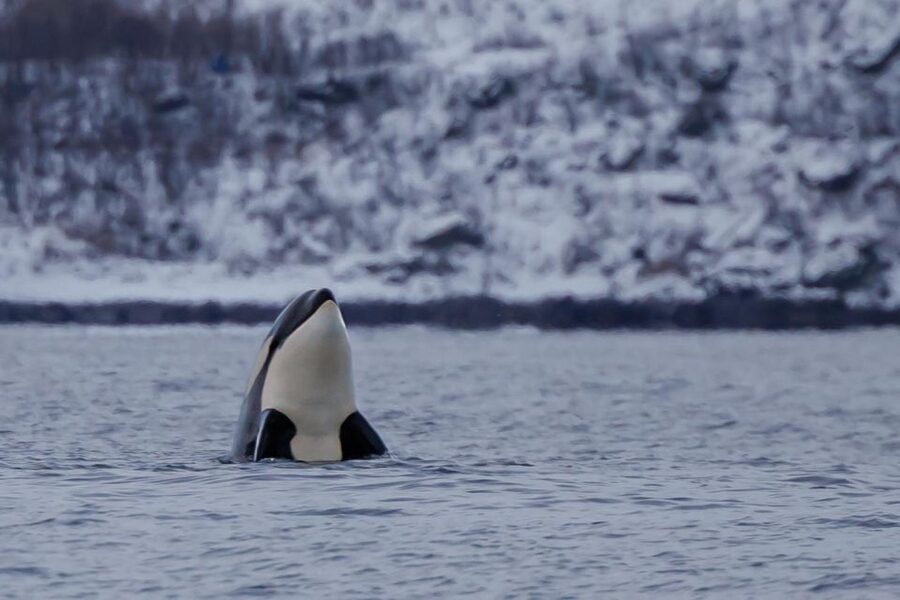
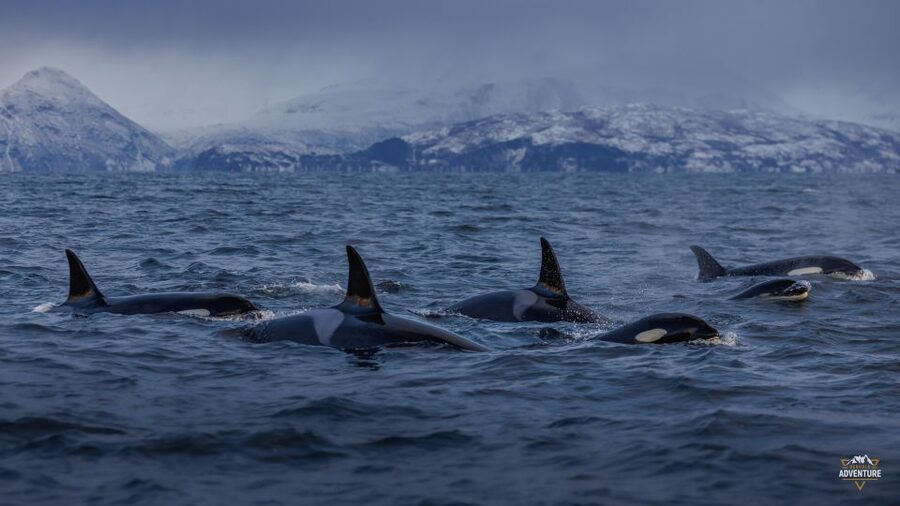
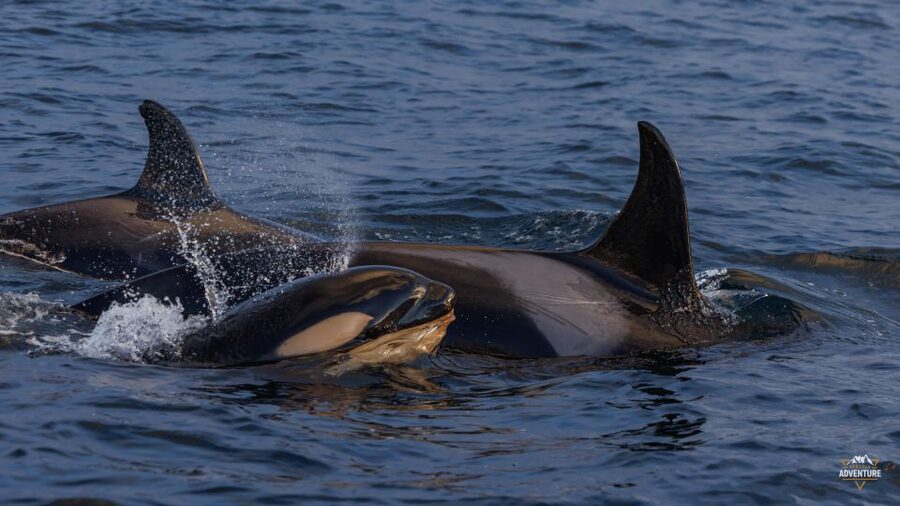
Skjervøy is famous for orcas, and this tour is built around one key idea: you should be able to watch for a long time without getting miserable. In winter, that matters more than fancy promises. The boat gives you indoor warmth and flotation protection, so you can stay focused on the fjord and the whales.
What makes this experience practical is that it is not only about spotting. You are also set up to stay comfortable long enough to have multiple looks. That is how you go from a quick distant sighting to a memorable run where whales surface more than once.
I also like that the experience keeps an ethical tone. The tour aims for respectful viewing, and the best moments tend to happen when the whales decide to come closer rather than the boat trying to force it.
Getting There at Havnegata 16 and Finding Dervola Adventure
You meet at Havnegata 16 in Skjervøy, and the office sign is lit, marked Dervola Adventure. It is a simple start, but I recommend arriving a bit early so you can get your bearings and get your flotation suit fitted without rushing.
The tour language is English, and you should expect a safety briefing before the main whale time. That briefing matters because you will be out on the water in cold, windy conditions, and you will want to know where to stand, how to handle layers, and how to move safely around the boat.
The departure timing is set for a 09:30 start at the office, and you will return around 2:00 pm after the full 4-hour outing.
What Happens Before the Fjord Search: Safety, Suits, and Gear Sanity
Right after meeting, you get a safety briefing and then the tour team provides a warm flotation suit. This is one of the smartest parts of the whole setup. In these waters, warm clothing is necessary, but a flotation suit adds real comfort and confidence.
The boat has both indoor and outdoor seating. That means you can step out for a better view when the whales surface, then move inside when wind cuts through your layers. You are also able to move around between heated cabin areas for photos, so you are not trapped staring from one stiff spot.
There is also dry storage for bags and photographic equipment. That may not sound thrilling, but it is a big deal for phones, cameras, and spare batteries. You want to keep your gear dry without constantly worrying about where to put it during choppy moments.
One more practical thing: footwear and gloves are not included. The tour data explicitly asks you to bring warm shoes and gloves, so plan on that instead of hoping the suit covers everything.
The 4-Hour Whale Watching Loop: Where Your Eyes Need to Be
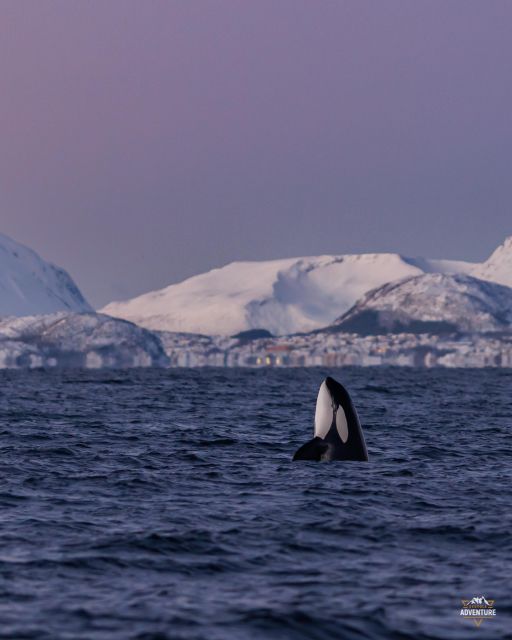
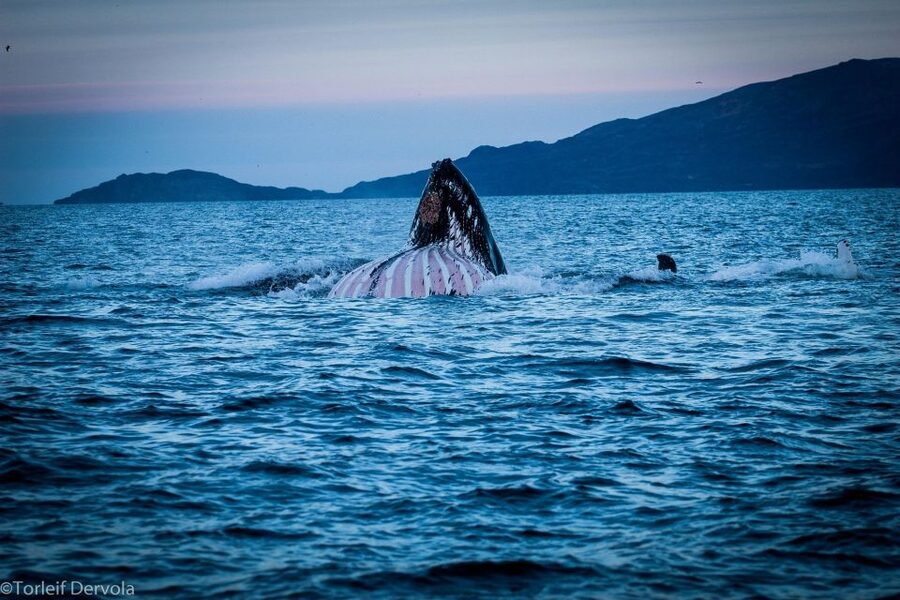
Once you head out, the goal is straightforward: cruise the fjords around Skjervøy while you search for orcas, humpbacks, and fin whales. The area is especially known for orcas, with the tour information pointing to the season when whales feed on herring from October to February.
This matters for you because it explains the timing. If you are traveling in that October to February window, your chances of higher orca activity tend to be stronger. If you are outside it, you can still see whales, but your experience may feel more like a search and less like a certainty.
During the tour, your skipper watches the water and works the route, while you scan for blows, dorsal fins, and movement near the surface. The respectful approach is part of the rhythm. The boat looks to view whales without pressuring them, and that is a better outcome for the animals and usually improves your viewing as well.
You also get a chance to enjoy the wider fjord views between sightings. This helps because whale watching is not a nonstop show. It is a mix of scanning, waiting, and then quick reward moments when a blow appears.
Indoor vs Outdoor Viewing: How to Photograph Without Freezing
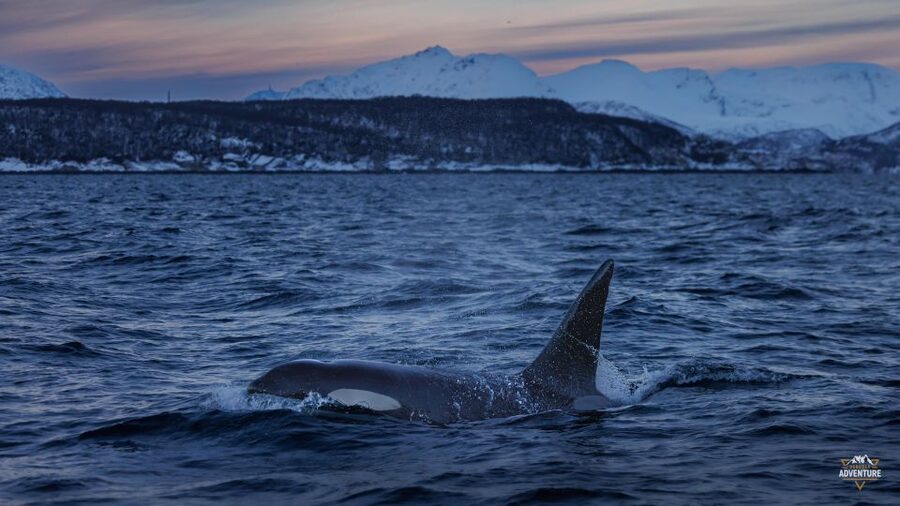
A lot of whale tours fail at one thing: they force you to stay outside too long. Here, you have choice. The boat offers heated cabins so you can warm up when you need to, and then return outside for spotting.
That ability to swap viewpoints is especially useful for photos. When whales surface, you want the best sightline. When conditions get rough or cold, you want warmth, plus a chance to review your settings or battery without rushing.
The tour also includes dry storage and the chance to move around for photos. One guest highlighted that the captain drove the boat close enough for good photography while keeping the animals unbothered. That is what you want in practice: workable distance for cameras, and safe, ethical behavior for the whales.
If you are a casual photographer, you will still do fine. The key is to bundle up so your hands and feet stay functional. When your gloves are cold, your camera becomes a paperweight.
Hydrophones on the Water: Listening for the Whales
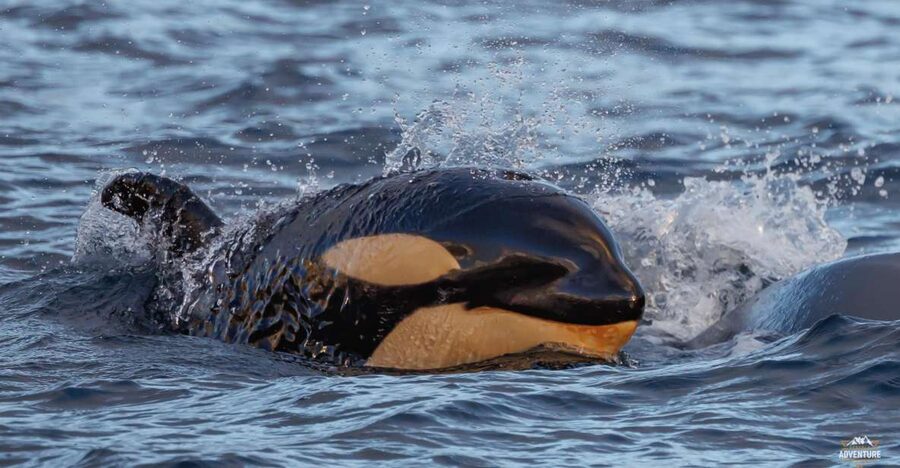
This is one of the most interesting extras. The tour can deploy hydrophones so you can listen to whale calls and activity. It is not guaranteed at every moment, but when it happens it changes the feel of the trip.
Seeing whales is visual. Listening makes it more intimate, especially when you are waiting and trying to track where sound might be coming from. Even if you are not a whale expert, it gives you something useful to focus on besides scanning the horizon.
Think of it as turning the tour into a sensory event, not only a spotting contest. For many people, it is the part they remember long after the winter wind fades.
Warm Drinks, Waffles, and the Small Comforts That Matter
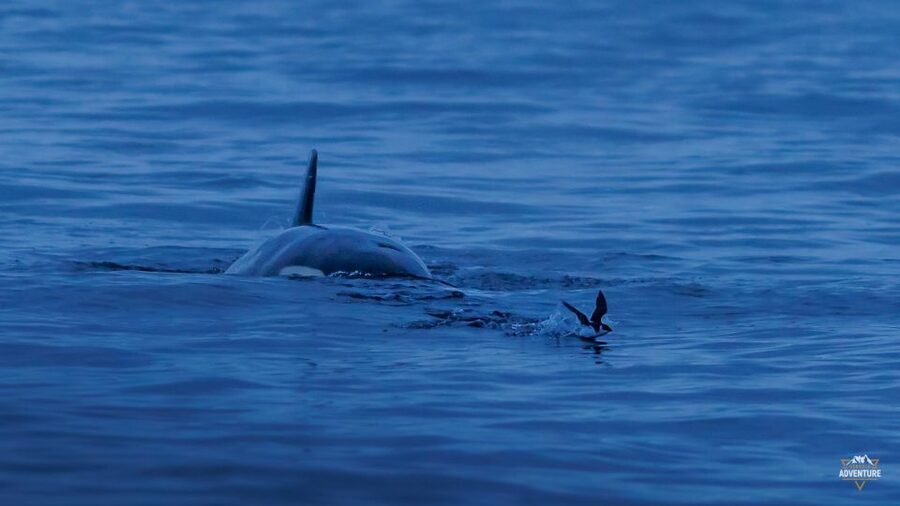
This tour includes refreshments: a hot drink and waffles. After time in cold air, that kind of simple warmth can feel like a reset button. It is also helpful if you are trying to keep your energy up during the 4 hours.
One review noted waffles served with Sylt and Ost, which sounds like a local-style treat you can enjoy without needing to stop anywhere. I like this approach because it keeps you on the water experience instead of breaking the day to hunt snacks.
If weather turns, the option to duck inside the cabin keeps the tour enjoyable. One guest specifically praised the captain for handling safety even in stormy conditions, and the heated cabin helped them stay comfortable.
Seasons, Ethics, and the Odds of Seeing Orcas
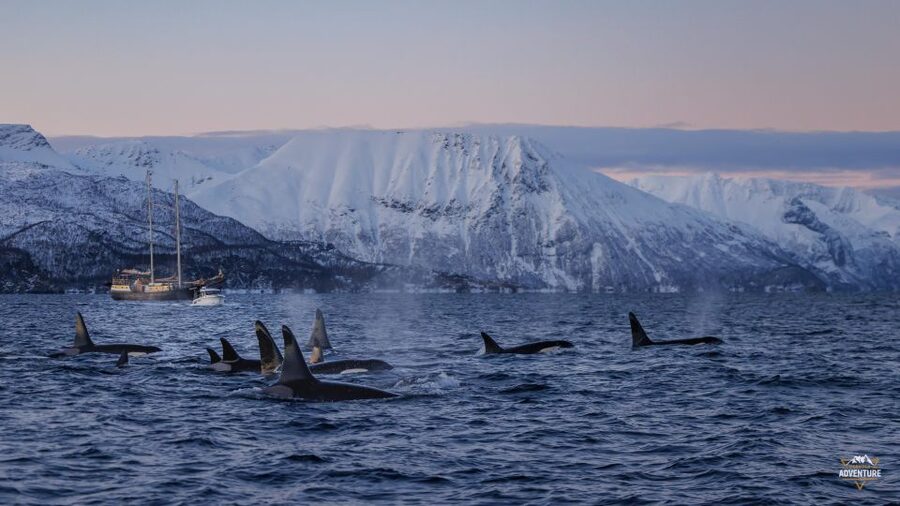
The orca focus is serious here. The tour information names Skjervøy as a place with some of the largest gatherings of orcas in the world, especially during October to February when they feed on herring.
But you should still treat whale watching like whale watching. Whales move. They surface where they choose. Your skipper can do everything right, and you still may have minutes where sightings feel quiet.
The ethical approach helps you trust the process. Instead of chasing whales, the goal is to watch them respectfully. That usually means you get better odds for repeat sightings, and you avoid the awkward feeling of being part of a pressured encounter.
In other words, the best experience is the one where you feel calm and patient, not frantic. Warmth helps that mindset more than people think.
What I’d Pack for Skjervøy in Winter (So You Enjoy It)
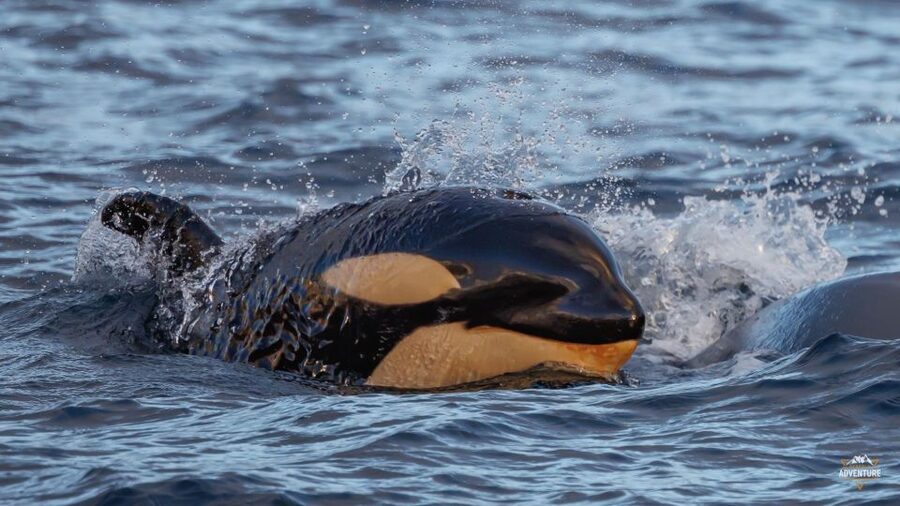
The tour guidance is clear about what to bring. You want warm clothing, a hat, gloves, and warm shoes. Footwear and gloves are not provided, so this is not the place to count on rentals.
Here’s the practical logic. Your flotation suit adds protection, but it cannot replace warm socks or insulated boots. If you have gloves that keep your fingers working, you can handle camera gear, and you do not end up standing stiffly with your hands tucked in.
Also remember the tour does not allow smoking. If you smoke, plan to do it away from the boat.
If you dress well, the heated cabin turns cold moments into short breaks instead of suffering. That is how you keep your attention on the whales.
Price and Value: Is $278 Worth It?
At $278 per person for a 4-hour tour, you are paying for more than a boat ride. You are paying for three things that are hard to replicate on your own: guided expertise, winter comfort, and a whale-watching setup designed for real viewing time.
Here is where the value shows up:
- Heated cabin and flotation suits remove the biggest barrier to winter whale watching.
- Hydrophones add an uncommon bonus experience.
- Refreshments and dry storage reduce hassle, so you spend the day watching instead of managing discomfort and gear.
Could a cheaper tour exist? Sure, but most low-cost options either lack a heated cabin experience or do not include enough comfort upgrades to make the wait enjoyable. For me, the deciding question is simple: do you want whale time, or do you want a cold endurance test?
If you want comfort plus ethical viewing, this price starts to look fair.
Who This Tour Fits Best, and Who Might Want a Different Style
This tour suits you if you:
- want orcas, humpbacks, and fin whales as the main targets
- travel in winter and hate feeling cold during long scanning periods
- care about photo-friendly viewing without stressing the animals
- appreciate little comforts like warm drinks and waffles
It may be less ideal if you:
- dislike being out in winter conditions at all, even with a heated cabin and flotation suit
- expect whales to come extremely close on demand
There is a sweet spot here. If you can handle the idea that whales set the pace, the heated cabin lets you focus on enjoying the ride and the sightings.
Should You Book This Heated Cabin Orca Tour?
If you are planning a winter trip to Skjervøy and you want the best chance at an orca-focused experience without freezing, I would book it. The combo of heated cabins, flotation suits, and hydrophones makes it a smarter way to do whale watching than the classic cold deck-and-hope approach.
If you are on the fence, ask yourself one question: are you willing to spend 4 hours looking and waiting for whales to surface in their own timing? If yes, the warm setup, dry storage, and included snacks make that waiting feel like part of the fun, not an obstacle.
Book it for the respect-first viewing, the comfort on the water, and the possibility of listening to the whales through hydrophones. In Skjervøy season, that is exactly the kind of experience you want to be dressed and ready for.
FAQ
How long is the whale watching tour?
The tour lasts 4 hours.
Where is the meeting point in Skjervøy?
You meet at Havnegata 16. Look for the lit Dervola Adventure sign.
What whales can you expect to see?
The tour aims to spot orcas, humpbacks, and fin whales in the fjords around Skjervøy. The tour information also notes whale feeding on herring from October to February.
Is the boat heated?
Yes. There is a heated cabin, and you can use indoor heated space to keep warm and dry during the tour.
What food and drinks are included?
A hot drink and waffles are included during the tour.
Are flotation suits, gloves, and footwear provided?
Flotation suits are provided. Footwear and gloves are not included, so you should bring warm shoes and gloves.
Whales in the Sounds
- Tromsø Whale Safari with MS Gabriele★ 4.3 · 1,937 reviews
- From Tromso: Whale Watching in Magic Skjervoy★ 4.7 · 1,207 reviews
- Silent Whale Watching by Hybrid-Electric Boat from Tromsø★ 4.5 · 1,017 reviews
- Bleik: Whale Watching by Speedboat with Puffins and Muffins★ 4.7 · 326 reviews
Whale Watching, compared.
Silent Whale Watching by Hybrid-Electric Boat from Tromsø
Read our review →
Bleik: Whale Watching by Speedboat with Puffins and Muffins
Read our review →
24hr Northern Lights & Whale Watching Cruise
Read our review →
Whale Watching RIB Boat Tour in Skjervoy from Tromso
Read our review →Browse the lists this tour appears in