
Reviewed · OSLO TOURS & ACTIVITIES
Explore Oslo’s Art and Culture with a Local
Oslo looks different once you walk with art. This 90-minute small-group experience threads street art, public sculpture, and modern art stories through the places you see in postcards, plus the corners you’d miss alone. I love the small-group size of up to 8, which keeps the vibe relaxed and question-friendly, and I especially like how street art shows up as part of the conversation, not just a side attraction.
I also like the way the route connects well-known spots with the older and newer neighborhood shifts, from Tjuvholmen and Aker Brygge to Kvadraturen’s historic streets and Bjørvika’s new waterfront culture. If your guide is Maria or Lars, you’ll likely feel that same story-forward teaching style mentioned in past experiences, with real explanations for why these artists and buildings matter here.
The main drawback to plan for is that you’re on your feet for about 90 minutes, and while you’ll get great views and context, museum and monument entries are not included in the price. If you want lots of indoor time or have mobility limits, you may want to choose something more tailored.
In This Review
- Key takeaways before you go
- Why a 90-minute Oslo art walk beats going solo
- Meeting at the harbor: Tordenskjold, Tjuvholmen, and Aker Brygge views
- Kvadraturen and Rådhusgata: older streets, galleries, and the art association energy
- Bjørvika’s fjord-side finale: Opera, She lies, and the Munch Museum area
- Across Akrobaten bridge into Barcode: how Oslo shifts styles in motion
- Grünerløkka by the river: from industrial past to street art and performances
- The guide factor: why the storytelling matters as much as the sights
- Price and logistics: what you pay for, and how to make it work
- What you should bring (and what to expect when you walk)
- Who this tour fits best
- Should you book this Oslo art and culture walk with a local?
- FAQ
- How long is the Oslo art and culture experience with a local?
- What is the group size limit?
- Where does the tour start?
- Where does the tour end?
- Is a mobile ticket included?
- What’s included in the price?
- What isn’t included?
- Is it near public transportation?
- Are service animals allowed?
- Is free cancellation available?
Key takeaways before you go
- Up to 8 people means you get personal attention and can steer the discussion.
- Harbor to river route helps you understand Oslo’s layout fast, without a long commute.
- Art in multiple forms shows up as museums, public sculptures, bridge views, and street art.
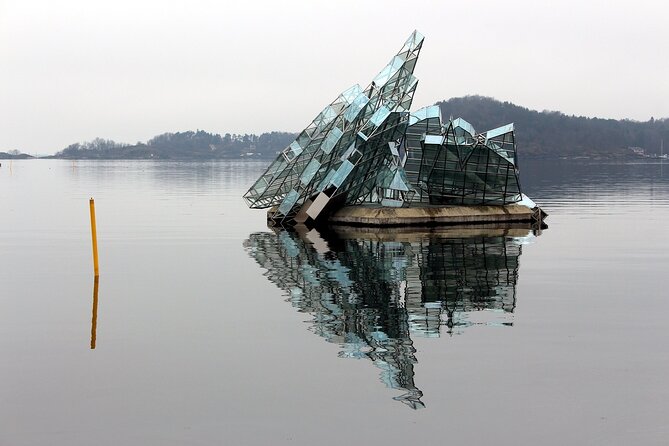
- Bjørvika highlights include the Opera area and the She lies sculpture viewpoint.
- Grünerløkka context explains how the river district shifted from industrial to cultural.
- Personal recommendations are part of the value, especially for coffee and food spots after.
Why a 90-minute Oslo art walk beats going solo
Oslo can feel spread out, even when it’s not huge. This tour helps you make sense of the city quickly by connecting neighborhoods to the art you’ll see there. In about 90 minutes, you get a guided mental map that makes the rest of your trip easier.
The format is also part of the appeal. With a group capped at 8, you’re not competing for the guide’s attention. That matters when art talk gets specific, like why a certain building or sculpture fits the city’s identity, not just the country’s art scene.
Now, let’s talk about value. At about $126 per person, you’re paying mainly for local storytelling and route expertise, not museum tickets. If you plan to visit at least one museum afterward, you’ll likely feel the time was well spent.
Meeting at the harbor: Tordenskjold, Tjuvholmen, and Aker Brygge views
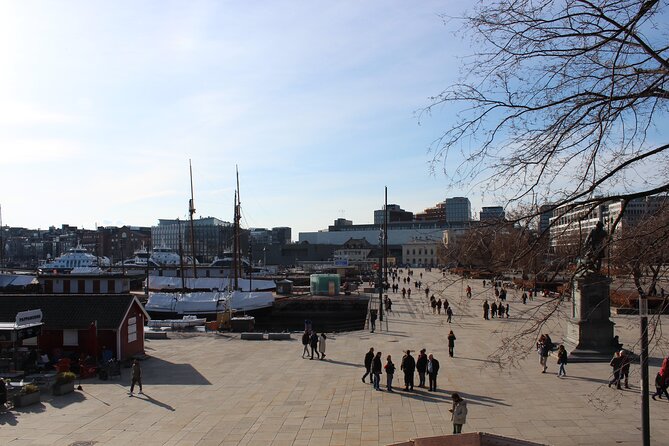
You start at the harbor next to the Statue of Tordenskjold. It’s a smart beginning because the water immediately frames the skyline, so the guide can point out how Oslo’s waterfront has shaped its public spaces and cultural institutions.
From this spot, you can see and talk about Tjuvholmen and big modern landmarks around it, including the Astrup Fearnley museum. The view also takes in Aker Brygge, where you’ll hear context about the Nobel Peace Center and the National Museum of art and design. Depending on what you’re interested in that day, you may also include Oslo City Hall and the fortress in the discussion.
One neat bonus: for even better angles, it’s possible to stand near the statue of Franklin Roosevelt. That’s the kind of detail that turns a view into a lesson. You’re not just looking, you’re learning where the city’s axes and architecture line up.
Watch-outs: harbor weather changes fast. Bring layers, and expect a bit of standing while you take in views and photos.
Where the path branches next in Oslo

Kvadraturen and Rådhusgata: older streets, galleries, and the art association energy
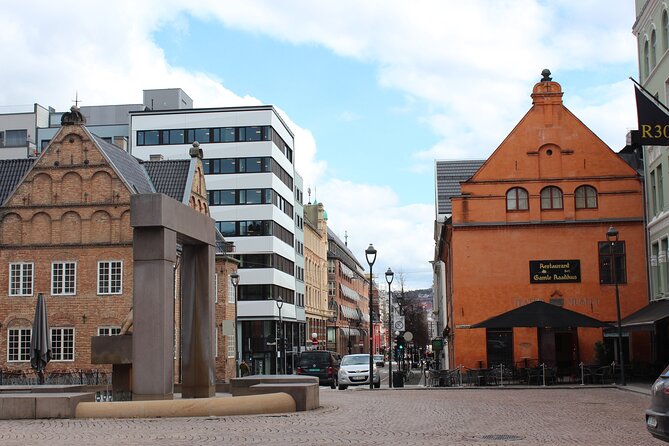
Next you head to Kvadraturen, described as the oldest part of Oslo. This shift matters. Modern art often looks best when you understand the older urban skeleton around it, and Kvadraturen gives you that base layer.
From there, you walk down Rådhusgata, where you’ll notice some of the oldest buildings alongside art spaces. The guide also points out the Art Association area and talks about galleries you can spot along the way. Even when you’re not stopping for long, you’re training your eye to see what Oslo chooses to protect, renovate, or repurpose.
If you care about how modern artists connect to place, this is one of the most useful parts of the route. It’s where the tour can explain that art in Oslo isn’t only about what’s inside a museum. It’s about the streets that carry cultural life forward.
Consideration: this stretch can be a little steadier in walking pace since you’re moving between areas. Good walking shoes help more than you’d think.
Bjørvika’s fjord-side finale: Opera, She lies, and the Munch Museum area
You’re advised to stop near the end of Rådhusgata by the fjord, roughly around KOK Oslo Sauna. That makes sense because the perspective opens up right here. It’s one of those moments where the guide’s explanation clicks with the physical view.
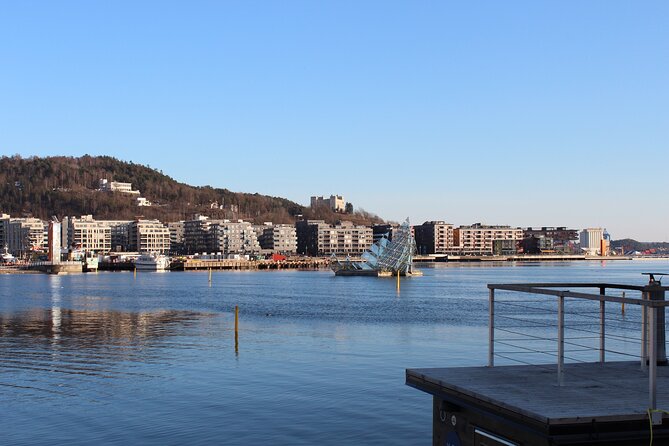
From the waterfront side, you can see and talk about the newest part of Oslo in Bjørvika, including the Opera. You’ll also hear about the sculpture She lies, plus you’ll get the broader context of the Munch Museum area.
After that, you walk through Bjørvika, where the guide can talk about the new library, Deichman Bjørvika. This part works well if you like culture beyond museums. Libraries here aren’t only for books. They’re part of the city’s everyday public life, and that’s a big theme in Oslo’s art-and-architecture story.
Drawback to plan around: if you’re hoping for museum entrances during this stop, you’ll want to handle that separately. The tour focuses on viewpoints, discussions, and walking connections, not ticketed time inside.
Across Akrobaten bridge into Barcode: how Oslo shifts styles in motion
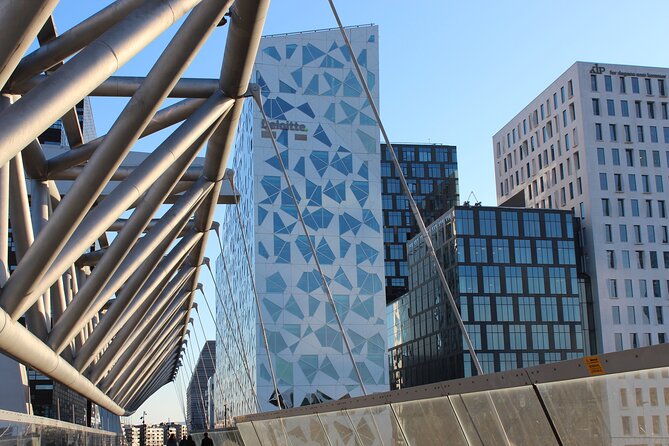
Crossing the Akrobaten bridge is a nice reset after fjord-side viewpoints. The bridge itself becomes part of the art conversation, because it’s architecture you can feel in your walk, not just something you stare at from afar.
From the bridge, you can see and talk about both the bridge and Barcode. That nickname refers to the cluster of modern office towers, and it’s a good example of how Oslo mixes eras side by side. The guide helps you connect what you’re seeing to why Oslo keeps changing without losing its ability to present culture as public.
If you like photography, this is a prime moment. You get lines, angles, and skyline views that are hard to capture once you’re past the water edge.
Weather tip: bridges can be windy. Keep your plans flexible for strong gusts, and don’t let cold air ruin the shot.
Still ahead on the route through Oslo:
- Oslo: 24 or 48-Hour Hop-On Hop-Off Sightseeing Bus GrayLine
★ 4.0 · 2,088 reviews - Oslo: 100% Electric Oslofjord Sightseeing Cruise
★ 4.4 · 2,041 reviews - Oslo: Fjord Evening Cruise with Shrimp Buffet
★ 4.5 · 1,956 reviews - Oslo: Guided Sightseeing Fjord Cruise on Premium Silent Boat
★ 4.7 · 1,826 reviews
Grünerløkka by the river: from industrial past to street art and performances
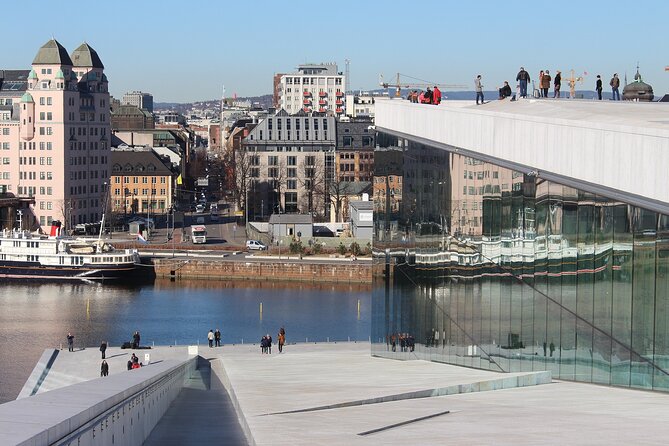
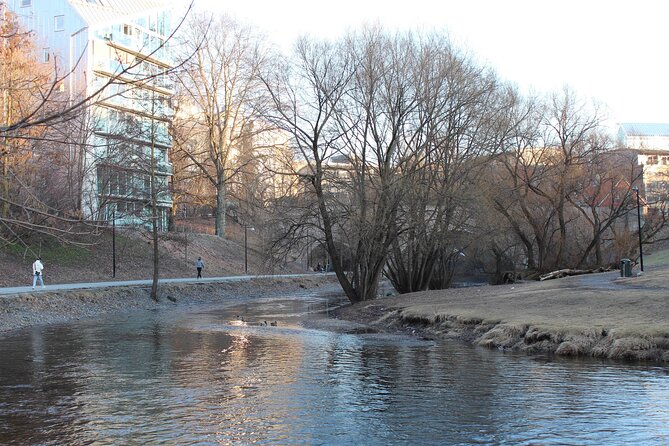
After Barcode, you move toward the river area starting around Vaterland. This is where the tour becomes a real neighborhood lesson. Grünerløkka has shifted from industrial roots to a more cultural, hip, creativity-friendly district.
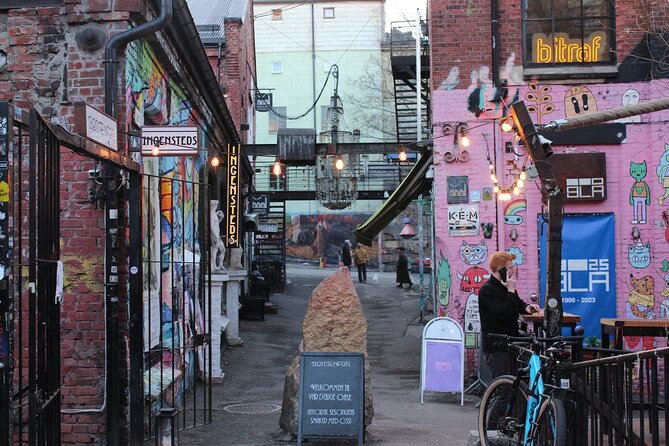
You’ll talk about what that change looks like in real life, including vintage stores, art galleries, and street art along the river. Even if you’re not a street-art superfan, the guide’s explanations usually help you see why certain walls and spaces get tagged or commissioned in the first place.
Next to the river you’ll find a major cultural church, the kind that hosts theatre performances, art exhibitions, concerts, and special events. It’s a useful contrast to the big museum names earlier in the walk. Culture here isn’t only centralized. It’s also woven into community venues.
The tour finishes between Ingensted and Blå, a cozy area that blends old industrial buildings with modern street art. That ending location is practical because it’s a natural “go eat, drink, or keep exploring” zone.
Practical tip: plan your meal after the tour, not before. You’ll likely want time to take recommendations immediately while they’re fresh.
The guide factor: why the storytelling matters as much as the sights
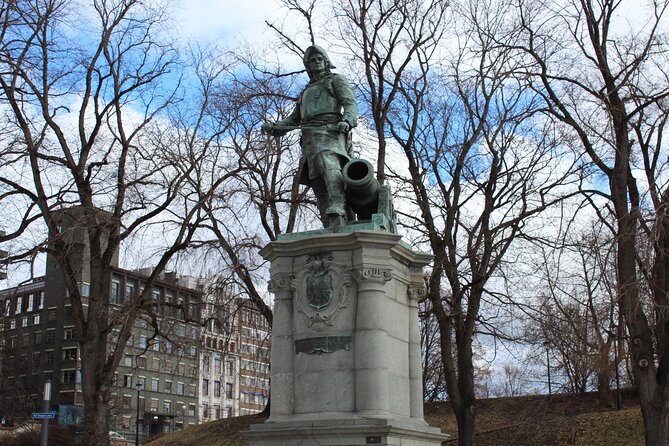
What makes this tour stand out is how the guide uses stories to explain art choices. In past experiences, guides like Maria and Lars were praised for knowing their stuff and for sharing stories in a way that pulls you in. The effect is that you stop looking like a tourist and start looking like someone who understands the city.
Here’s the simple way to get more out of the 90 minutes: ask questions. If you’re curious about why a museum sits where it does, ask. If you wonder how Oslo’s modern districts connect to its older core, ask. A good guide will steer you toward the point you actually care about.
Also remember the tour adapts to your interests and walking pace. Stops may shift based on weather, so you’ll spend more time where conditions are best.
Price and logistics: what you pay for, and how to make it work
At around $126 per person for about 1.5 hours, this isn’t a budget “quick stop” tour. You’re paying for a local guide, a small group setup, and personalized recommendations you can use immediately.
The included pieces are clear: a knowledgeable local, small group experience, and personalised recommendations. You also get a mobile ticket. What’s not included is personal spending, plus any transportation entry fees and any museum or monument tickets.
So here’s the value math I’d suggest. If you’re planning to visit at least one major museum (or you want a strong pre-visit plan), this tour can make your museum time smarter. If you’re not planning any museum stops and you only want general strolling, you might feel you could spend less elsewhere. But for art-focused first-time Oslo planning, this price often feels reasonable.
Booking timing note: it’s commonly booked about a month in advance. If your dates are flexible, you can shop around a bit. If they’re not, book sooner.
What you should bring (and what to expect when you walk)
This is a walking experience with viewpoints, so comfort matters. Bring layers and plan for changing weather, especially since you’re near the fjord and on bridges.
You’ll likely see a mix of:
- public sculptures and skyline views
- modern architecture linked to major cultural sites
- streets where galleries and art associations sit close to older buildings
- river paths with street art and cultural venues nearby
Because you’re not stopping for long museum entrances, your energy is best spent on discussion and photos. If you’re the type who likes to read every sign once you arrive, you’ll still have that chance after the tour.
Who this tour fits best
This works especially well if:
- you’re visiting Oslo for the first time and want orientation plus art context
- you love a blend of street art, public sculpture, and museum culture
- you want local recommendations for food and coffee right after
- you prefer small groups where you can actually ask questions
It may not be ideal if you:
- have impaired mobility (it’s not recommended for that)
- want a long, ticket-heavy museum day
- dislike walking for about 90 minutes
Should you book this Oslo art and culture walk with a local?
If you want to understand Oslo’s art scene without treating it like a scavenger hunt, I’d book it. The route is well chosen, because it connects key waterfront landmarks with older streets and then moves into the river neighborhood story of Grünerløkka. The small group setup makes the tour feel personal, and the guide’s storytelling is what turns the sights into something you remember.
One final deciding question for you: do you want art explanations paired with practical neighborhood guidance, like where to grab coffee and what to explore next? If yes, this is a strong fit. If you only want museum ticket time, you may want a different kind of tour.
FAQ
How long is the Oslo art and culture experience with a local?
It lasts about 1 hour 30 minutes.
What is the group size limit?
The tour has a maximum of 8 travelers.
Where does the tour start?
It starts at the Statue av Tordenskjold, Rådhusplassen, 0151 Oslo, Norway.
Where does the tour end?
It ends in Grünerløkka, Oslo. The finish is between Ingensted and Blå.
Is a mobile ticket included?
Yes, the tour includes a mobile ticket.
What’s included in the price?
You get a local guide, a small group experience, and personalized recommendations.
What isn’t included?
Personal expenses are not included. Also, entry tickets for transportation, museums, and monuments are excluded.
Is it near public transportation?
Yes, it is near public transportation.
Are service animals allowed?
Yes, service animals are allowed.
Is free cancellation available?
Yes. You can cancel up to 24 hours in advance for a full refund. If you cancel less than 24 hours before the start time, the amount paid is not refunded.
Newly marked on the map for Oslo
- Oslo: WWII History Private Walking Tour★ 5.0 · 1 review
- Oslo: All-Inclusive Self-Guided Kayaking & Camping Adventure★ 5.0 · 1 review
- Stand up paddleboard adventure in Leangbukta★ 5.0 · 1 review
- Kayak and Canoe Tour in Lake Bogstad★ 5.0 · 1 review
- Oslo All Inclusive Private Walking Tour★ 5.0 · 1 review
- Sightseeing Private Tour of Oslo and Viking Ship Museum★ 5.0 · 1 review
- 3days tour to Flåm-næroyfjord(or Preikstolen Hiking)-Bergen★ 5.0 · 1 review
- Departure Private Transfer from Oslo City to Oslo Airport OSL by Luxury Van★ 5.0 · 1 review
Oslo Tours & Activities, compared.
Oslo Fjord Sightseeing Cruise by Sailing Ship
Read our review →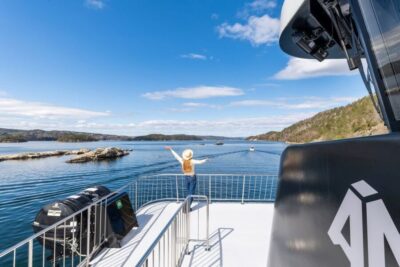
Scenic Fjord Cruise with Audio Guide Commentary
Read our review →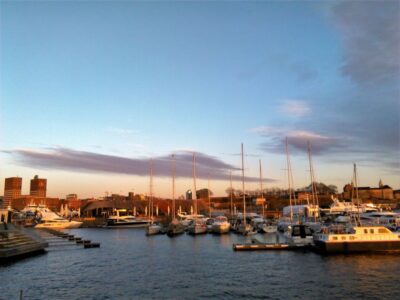
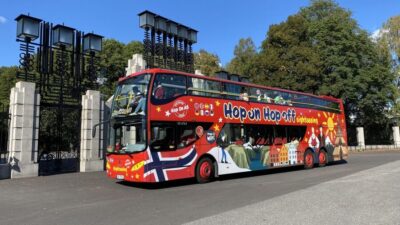
24 or 48-Hour Hop-On Hop-Off Sightseeing Bus GrayLine
Read our review →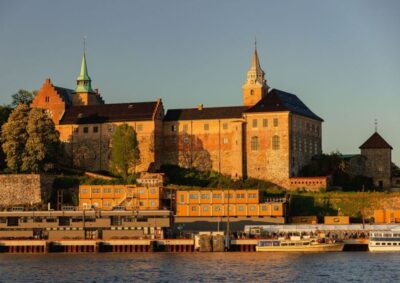
Guided Sightseeing Fjord Cruise on Premium Silent Boat
Read our review →
Browse the lists this tour appears in