
Reviewed · PRIVATE
Architectural Oslo: Private Tour with a Local Expert
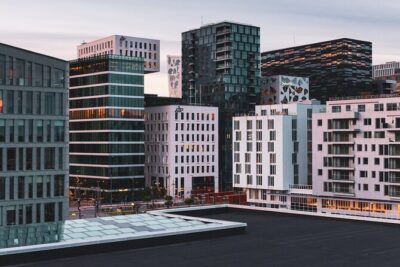
Modern Oslo starts on the water.
This private architectural walk helps you read the city’s past and present in plain sight, with stops that range from the Oslo Opera House to Astrup Fearnley Museet. I especially like the mix of Scandinavian design and waterfront modernism, and the fact that you get a friendly, very well informed local expert keeping the story clear. The only real drawback is that it is a walking tour, so if the cobbled streets and longer stretches slow you down, you may want to pace yourself.
You’ll enjoy a relaxed flow through big landmarks and smaller details, with an itinerary that can adapt to your interests and walking pace. The route typically covers political, religious, and contemporary art sites, so you’re not just taking photos, you’re learning what you’re looking at as you go. Expect weather to change a bit of the plan, so wear layers and keep a light plan B in your head.
With a group size kept small and an exclusive private format, you won’t get stuck listening to a rigid script. At $756.32 per group (up to 2), it’s priced for couples and small groups who want more conversation than a large group tour. If you’re traveling solo and want maximum value, you may find it better to compare against per-person group tours, since the price is set by the group.
In This Review
- Key highlights you’ll feel right away
- Starting at the Oslo Opera House: where the tour’s style becomes obvious
- Bjørvika and the Akrobaten Pedestrian Bridge: modern Oslo in motion
- From a 17th-century baroque church to the feel of central Oslo
- The Norwegian Parliament: 19th-century neoclassicism and political power
- Historic wooden houses and cobbled streets: the city’s texture lesson
- Nobel Peace Prize venue and functionalist murals: design with a message
- Astrup Fearnley Museet: Renzo Piano’s modern architecture meets modern art
- How the private format makes the architecture feel personal
- Price and value for a group of up to two
- What you should expect on the ground (and what to bring)
- Should you book this architectural Oslo tour?
- FAQ
- How long is the Architectural Oslo private tour?
- Is this tour really private, and how many people are in the group?
- Where does the tour start and end?
- Which major landmarks are included on the route?
- What is included in the tour price?
- Are museum or monument entry tickets included?
- Can I cancel for a full refund?
Key highlights you’ll feel right away
- Opera House views and architecture: Walk into the story of contemporary Norwegian design on the waterfront.
- Akrobaten Pedestrian Bridge: See how Bjørvika’s modern planning shapes movement and city life.
- Baroque church to neoclassical parliament: Watch Oslo’s architectural styles shift as the city’s power shifts.
- Wooden houses and cobblestones: Get a tangible sense of traditional streets and building craft.
- Nobel Peace Prize venue details: Learn how functionalist design and murals fit an international message.
- Astrup Fearnley Museet by Renzo Piano: Pair modern art with world-class contemporary architecture.
Starting at the Oslo Opera House: where the tour’s style becomes obvious
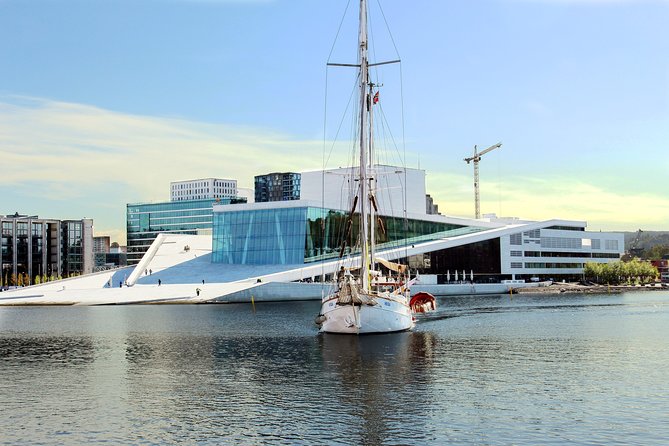
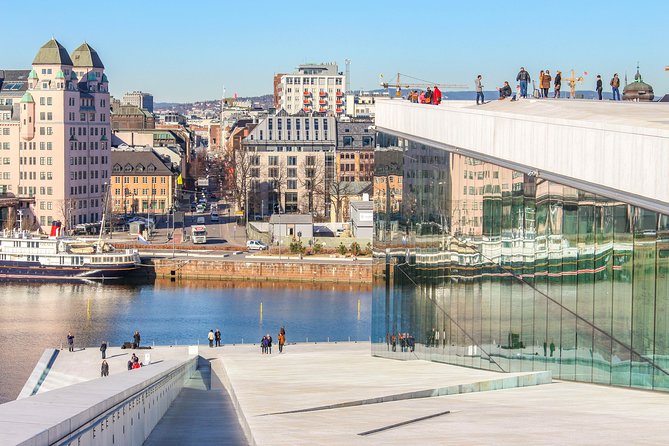
Your walk kicks off at the Promenade Operaen Opera w area, putting you right next to one of Oslo’s most recognizable statements in stone and glass. The Oslo Opera House is known for its striking modern form and its marble-clad roof, but the key is what your guide helps you notice: how it functions as public space, not just a performance venue.
You’ll typically spend time talking about why this kind of architecture matters here. Oslo’s waterfront projects often feel practical and civic at the same time, and the Opera House is a great anchor for that theme. If you like seeing how buildings shape everyday movement, this is the stop that sets the tone for the whole route.
One practical tip for this part: dress for wind off the water and keep your hands free for quick sketches or notes. Even if you’re not into architecture nerd stuff, you’ll find it easier to remember the shapes and materials when you can pause comfortably.
Bjørvika and the Akrobaten Pedestrian Bridge: modern Oslo in motion
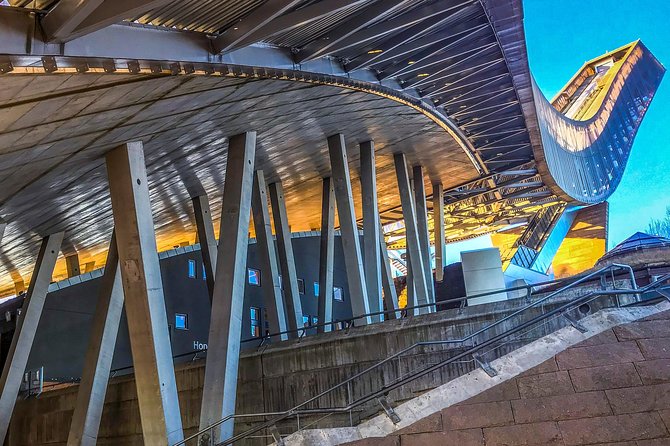
Next you head toward a modern pedestrian bridge in the Bjørvika district, known for its distinctive design. The Akrobaten Pedestrian Bridge is more than a photo point, it is a living example of how Oslo has expanded and reorganized around walking, cycling, and water-adjacent neighborhoods.
Your local expert usually frames it as a city planning story as much as an engineering story. You’ll learn how the bridge fits the district and why its form works for pedestrians. This stop is especially good if you enjoy architecture that feels connected to real life, since bridges are all about how people actually cross, pause, and keep moving.
The main thing to consider here is weather. If it is windy or wet, you’ll still see the bridge, but you might move through it faster. Since the route can shift based on conditions, don’t be surprised if the timing of the quick stops changes.
Where the path branches next in Oslo



From a 17th-century baroque church to the feel of central Oslo
Oslo’s religious architecture can be surprisingly central, and this tour uses that fact well. You’ll see a significant religious landmark with history dating back to the 17th century, known for its baroque architecture and prime location in the city.
This is where you get a sense of continuity. The guide tends to connect style choices to what the building needed to communicate at the time, then contrasts it with what you saw at the Opera House. Baroque design often aims for impact, so it helps you understand why later styles in Oslo look more controlled and civic in tone.
If you care about context, this stop is a good one. It reminds you that Oslo is not only modern waterfront design, it also has long-standing cultural anchors in the middle of the city.
The Norwegian Parliament: 19th-century neoclassicism and political power
Then you move to the seat of Norway’s government, a building associated with 19th-century neoclassical architecture. Neoclassicism can feel formal and strict, so this stop becomes an easy visual lesson in how architecture signals authority.
What I like about including the Norwegian Parliament in a short tour is that it gives you an immediate contrast with both the modern Opera House and the expressive older church. The guide’s job, and where this private format helps, is explaining the language of buildings: symmetry, proportion, and the sense of permanence these styles project.
This is also the point where you’ll start noticing themes that repeat across the route, like the way Oslo uses public architecture to communicate identity and values, not just function.
Historic wooden houses and cobbled streets: the city’s texture lesson

After the formal buildings, the tour shifts to something more tactile: historic areas known for well-preserved wooden houses and cobbled streets. This part matters because it adds texture, literally. Instead of discussing style from a distance, you’ll experience how materials and street surfaces shape how a city feels under your feet.
You can think of this stop as the human-scale side of architecture. Modern buildings show big ideas, but wooden neighborhoods and cobblestones show how people adapted buildings to climate, space, and daily movement. Even if you only spend a short time here, the contrast helps you read Oslo more accurately as a layered city.
One consideration: cobblestones can be uneven. Wear shoes that handle small rises and slick patches, especially if the weather is changing.
Still ahead on the route through Oslo:
- Oslo: 24 or 48-Hour Hop-On Hop-Off Sightseeing Bus GrayLine
★ 4.0 · 2,088 reviews - Oslo: 100% Electric Oslofjord Sightseeing Cruise
★ 4.4 · 2,041 reviews - Oslo: Fjord Evening Cruise with Shrimp Buffet
★ 4.5 · 1,956 reviews - Oslo: Guided Sightseeing Fjord Cruise on Premium Silent Boat
★ 4.7 · 1,826 reviews
Nobel Peace Prize venue and functionalist murals: design with a message
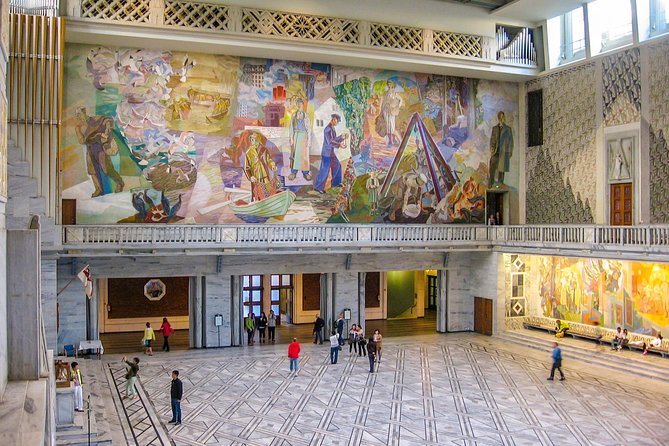
Next comes a building tied to the Nobel Peace Prize ceremony, known for its functionalism architecture and murals. This stop is smart because it connects visual style to international purpose, which is exactly what you want from an architecture tour.
Functionalist design tends to prioritize clean, practical forms. Paired with murals, the effect becomes more than efficiency. It becomes an atmosphere, the sense that the building is meant for ceremony and public meaning, not just offices or infrastructure.
If you’re interested in how design supports ideas like diplomacy and public reflection, this is one of the most relevant stops on the route. It turns a well-known event into something you can see, not just read about.
Astrup Fearnley Museet: Renzo Piano’s modern architecture meets modern art
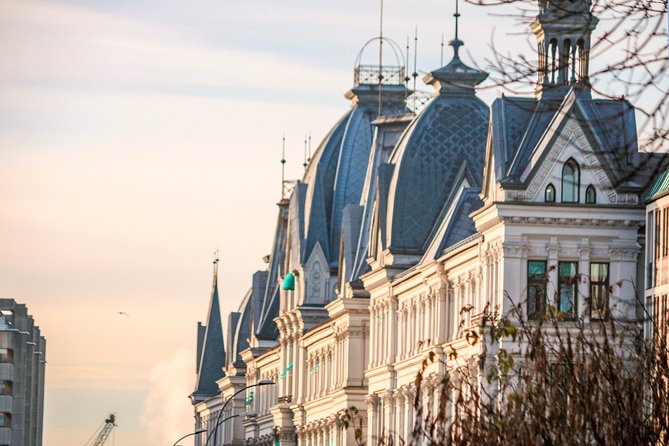
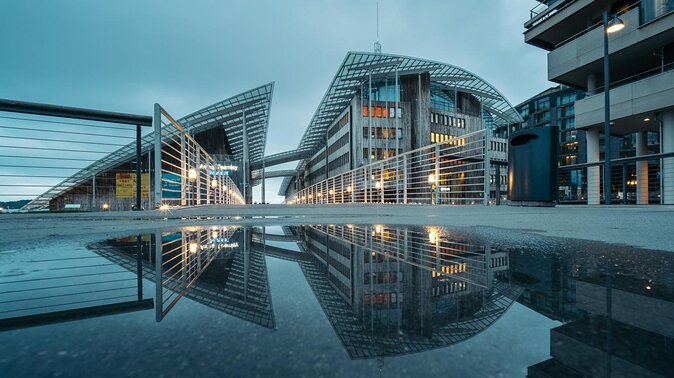
The tour’s contemporary finale is typically the Astrup Fearnley Museet, a privately owned contemporary art gallery housed in a building designed by Renzo Piano. This is where the architecture story clicks into modern culture in a very direct way: you’re looking at cutting-edge design while surrounded by modern art.
Renzo Piano’s influence helps you understand why this museum works on multiple levels. The building is not only about looks, it supports how visitors experience space and light, which is crucial in a contemporary art setting. If you like architecture that feels like a frame for ideas, you’ll get a lot out of this stop.
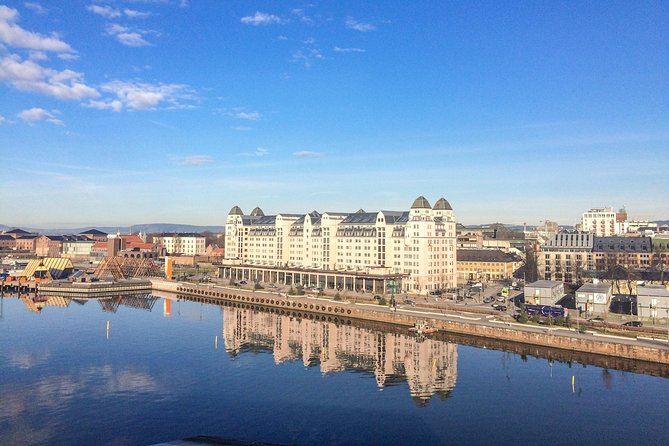
Also, the museum location ties back to earlier parts of the day. Since you started near the Opera House, the waterfront theme stays consistent, and you get a clearer sense of how Oslo’s modern identity has been built out along the water.
How the private format makes the architecture feel personal
This is an exclusive private tour, meaning only your group participates. Practically, that changes how the guide can work. Instead of rushing through facts, your expert can slow down at the spots you care about and explain the rest at a pace that matches you.
The itinerary is also tailored, with stops and timing that adapt to your interests and walking pace. It even notes that stops may vary depending on weather, so you’re not stuck with a rigid plan when Oslo weather shifts.
For couples or small groups, this is a big win. You get conversation, quick questions answered on the spot, and more attention to details you might otherwise miss while scanning with your phone.
Price and value for a group of up to two
At $756.32 per group (up to 2), this is not a budget tour. But architecture tours often pay for two things: time and expertise. Here you’re paying for a local expert guide plus a private, small-group walk (kept to eight or fewer on the experience description).
So the value calculation depends on how you travel:
- If you’re a couple and you want a thoughtful pace, it can feel fair because the price is anchored to the group, not per person.
- If you’re comparing it to a big group architecture tour, you’re paying extra to reduce noise and increase explanation.
- If you prefer self-guided walking, you might save money, but you would give up the structured architectural interpretation.
To get the most from the price, come ready with a couple of interests. For example, ask about how the city shifts from historical styles to modern public design, or how public architecture reflects Norway’s identity. A good guide can steer you, and this tour is set up to do exactly that.
What you should expect on the ground (and what to bring)
The tour runs about 2 hours, and it’s a walk-heavy format. It is built around key buildings and districts, including the Opera House, Akrobaten Pedestrian Bridge, a 17th-century baroque religious landmark, the Norwegian Parliament, historic wooden neighborhoods, the Nobel Peace Prize ceremony venue, and Astrup Fearnley Museet.
You’ll also get a mobile ticket, and confirmation happens at the time of booking. Since entries for transportation, museums, and monuments are not included, you’ll want to plan for any extra costs if you decide to go inside beyond what you do on the walk.
Bring:
- Comfortable shoes for cobblestones and waterfront conditions
- A layer for wind on the water
- Your curiosity, this kind of tour is all about looking longer
Should you book this architectural Oslo tour?
Book it if you want a short, high-impact way to understand Oslo’s built environment, from modern waterfront statements to older central landmarks and the role of public architecture. It’s especially worth it if you like conversation, clear explanations, and a pace that does not feel rushed.
Skip it or compare options if you have limited tolerance for walking, because the route includes cobbled and outdoor waterfront sections. Also consider whether you want more museum time. Since the tour is only about two hours and ticketed entries are not included, this is best as an orientation and interpretation tour, not a deep museum day.
If you fit the sweet spot, you’ll leave with a better way of seeing Oslo, and that is the kind of souvenir that keeps paying off long after you return home.
FAQ
How long is the Architectural Oslo private tour?
It runs for about 2 hours.
Is this tour really private, and how many people are in the group?
It is an exclusive private tour, so only your group participates. The experience is also described as a small group kept to eight or fewer.
Where does the tour start and end?
The start point is Promenade Operaen, Opera w, Oslo, Norway. The end point is Strandpromenaden 2, 0252 Oslo, Norway.
Which major landmarks are included on the route?
The tour includes stops such as the Oslo Opera House, the Akrobaten Pedestrian Bridge in Bjørvika, a 17th-century baroque religious landmark, the Norwegian Parliament building, historic wooden houses and cobbled streets, the Nobel Peace Prize ceremony building, and Astrup Fearnley Museet.
What is included in the tour price?
Included is a local expert guide, an exclusive private tour, and a tailored itinerary.
Are museum or monument entry tickets included?
No. Entry tickets for transportation, museums, and monuments are excluded.
Can I cancel for a full refund?
Yes. You can cancel up to 24 hours in advance for a full refund. If you cancel less than 24 hours before the start time, you will not get a refund.
Newly marked on the map for Oslo
- Oslo: WWII History Private Walking Tour★ 5.0 · 1 review
- Oslo: All-Inclusive Self-Guided Kayaking & Camping Adventure★ 5.0 · 1 review
- Kayak and Canoe Tour in Lake Bogstad★ 5.0 · 1 review
- Stand up paddleboard adventure in Leangbukta★ 5.0 · 1 review
- Oslo All Inclusive Private Walking Tour★ 5.0 · 1 review
- Sightseeing Private Tour of Oslo and Viking Ship Museum★ 5.0 · 1 review
- 3days tour to Flåm-næroyfjord(or Preikstolen Hiking)-Bergen★ 5.0 · 1 review
- Departure Private Transfer from Oslo City to Oslo Airport OSL by Luxury Van★ 5.0 · 1 review
Private, compared.

Aurora Safari Minibus, private locations all around the region
Read our review →
Private Cruise: Mostraumen by Zodiac or Lux Pontoon Boat
Read our review →
Northern Lights Private tour with your special ones – Greenlander
Read our review →
PRIVATE GUIDED TOUR: Queen of the Fjords – tour from Bergen, 6 hours
Read our review →
Browse the lists this tour appears in