
Reviewed · WHALE WATCHING
Andenes: Responsible Whale Watching with Classic Catamaran
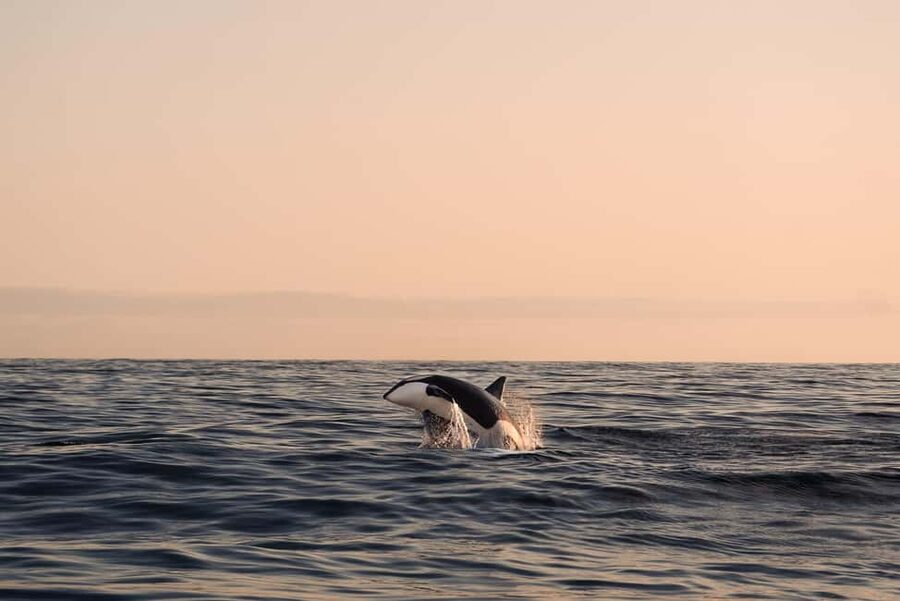
Whales can show up right next to you. From Andenes, I love the close-up feeling when a sperm whale surfaces near the boat, and I like that the outdoor viewing deck is part of the design, not an afterthought.
You’ll travel with guided marine biologists and local crew who explain what you’re seeing as you go. My only caution is language speed, because at least one English-speaking guide can talk fast enough that you might miss a few details if your English is still warming up.
In This Review
- Key Takeaways Before You Go
- Where the Adventure Starts in Andenes Harbor
- Boarding the Classic Catamaran and Finding Your Sea View
- How the Search Works: Chasing Whales, Orcas, Dolphins, and Seabirds
- The Onboard Warm-Up: Hot Soup, Bread, Tea, Coffee, and Biscuits
- A Typical 4-Hour Flow, Explained Without the Hurry
- Responsible Whale Watching Rules You’ll Actually Notice
- Whale Pass: Your Back-Up Plan for a Quiet Day
- Price and Value: Is 183 USD Fair for Northern Norway?
- Weather, Seasickness, and What to Pack Like a Pro
- Who This Tour Fits Best, and Who Should Skip It
- A Quick Note on English and Guide Speed
- Should You Book This Andenes Whale Safari?
- FAQ
- How long is the whale watching tour?
- Where do I meet for the tour?
- What marine animals might I see?
- Is food included during the trip?
- What is Whale Pass?
- Is the tour guided, and is English available?
- What should I bring?
- What is not allowed on the boat?
Key Takeaways Before You Go
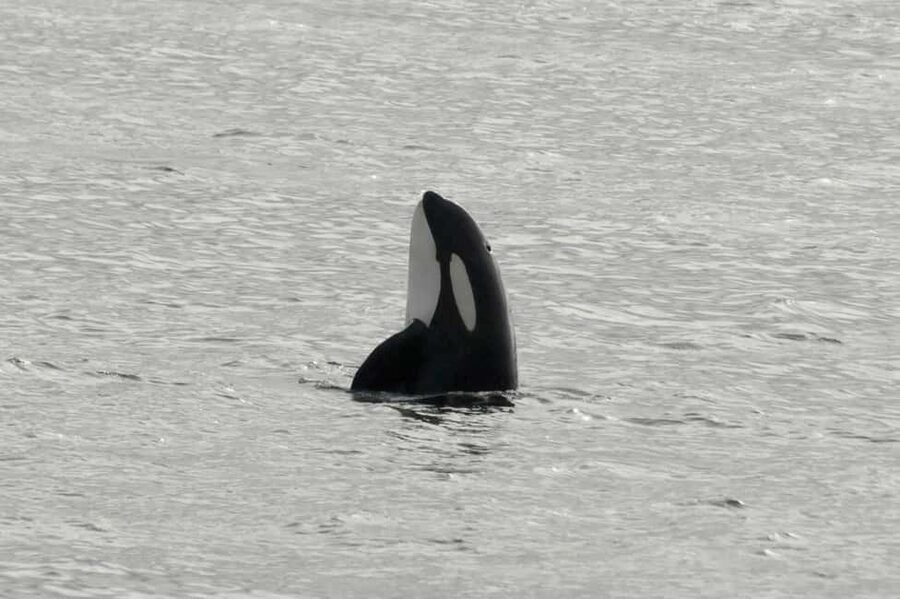
- The Andenes area is built for whale spotting: You sail into Arctic waters where sightings can happen right alongside the route.
- Heated comfort is real, not theoretical: There’s an indoor cabin for warm-up, with outdoor viewing space when conditions are best.
- Expect expert commentary: Marine behavior, habitat, and responsible wildlife tourism are explained during the trip.
- Whale Pass gives you a second chance: If whales or dolphins are not seen, you can rebook free, subject to availability.
- Cold and motion are part of the deal: Warm layers and seasickness prevention are strongly recommended.
Where the Adventure Starts in Andenes Harbor
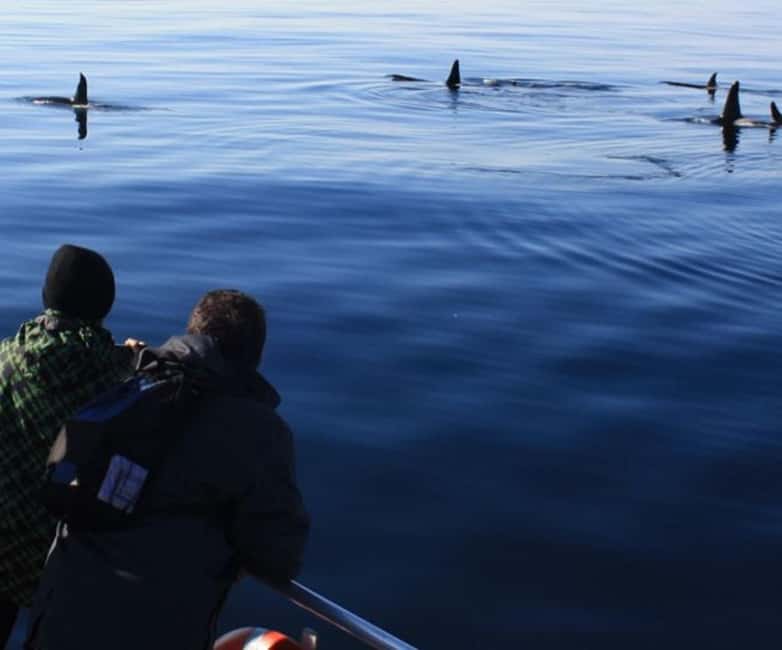
The whole experience begins at Østre Havn in Andenes, with check-in at a black reception container by the big red harbor buildings. It’s easy to find once you’re in the harbor area, and you’ll also see the Arctic Whale Tours sign on the red building.
Plan to arrive early. Check-in is required 1 hour before the scheduled departure, and the tour also needs a minimum of 15 participants to operate. If weather is rough, the operator can cancel or reschedule for safety, so arriving with flexibility in your day helps.
Parking is available a few meters from the reception on a first come, first served basis. If you’re coming by car, I’d treat that as a hint to not cut it too close.
Boarding the Classic Catamaran and Finding Your Sea View
Once you check in, you get a warm welcome and a safety briefing before boarding. You’ll wear life vests, and the boat is designed for viewing and stability at sea, which matters when you’re trying to spot animals in a fast-changing Arctic horizon.
The layout is practical. There’s an outdoor wildlife viewing deck for those all-important eyes-on-the-water moments, and there’s a heated indoor cabin for when the wind, spray, or chill gets to be too much. That combo is a big deal because whale watching can include quiet searching stretches, then sudden action.
If you’re into photos or simply want better angles, bring binoculars. They’re not required, but they can help you scan for seabirds and distant blows while you’re waiting for the guides to steer toward activity.
How the Search Works: Chasing Whales, Orcas, Dolphins, and Seabirds
This isn’t a one-track cruise where you simply hope for the best. Your route depends on recent sightings and conditions, because whale activity shifts with the day, the water, and the animals’ own timing. The guides navigate toward the best-known areas for whale activity based on what’s happening that day.
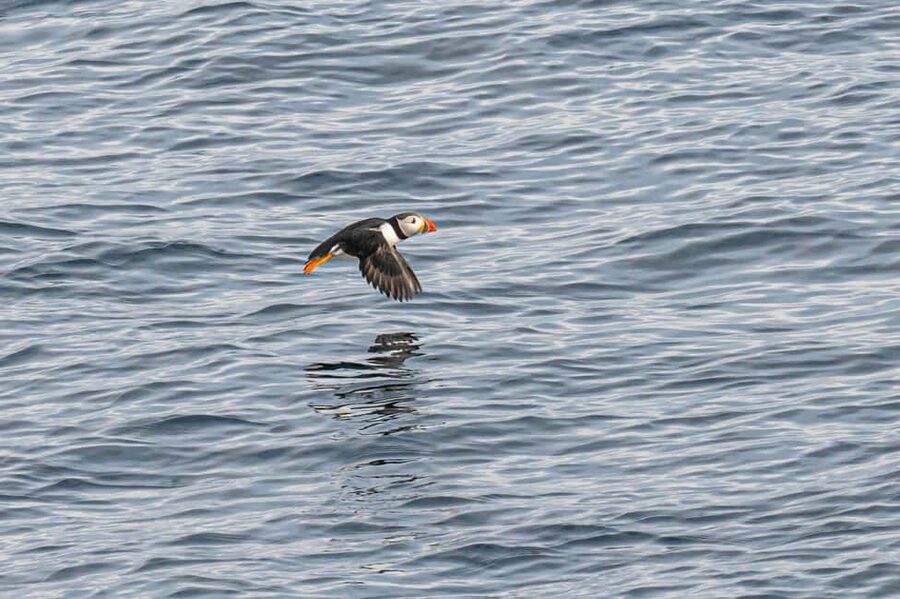
You’re looking for a mix of marine life. The tour is set up for the big ones, including sperm whales, and it also keeps an eye out for orcas and dolphins. On top of that, you’ll watch for seabirds such as puffins and sea eagles.
The guide commentary is part of the value. You’re not only told what you might see, you’re given context about whale behavior and the wider marine ecosystem. That makes the spotting more satisfying, because you start noticing patterns instead of just collecting sightings.
The Onboard Warm-Up: Hot Soup, Bread, Tea, Coffee, and Biscuits
You’ll get a light meal served onboard in the heated indoor cabin. Expect hot soup, fresh bread, tea, coffee, and biscuits.
It’s the kind of food that makes sense in the Arctic. You’ll be layering up anyway, but once you start moving and cold air hits your cheeks, something warm changes the entire mood of the trip. One review also joked about the soup, but the practical point is clear: even basic warmth helps when you’re out on the water for 3-5 hours.
If you’re prone to motion discomfort, don’t assume the meal solves everything. Bring preventive seasickness medication, because seasickness medication is not included.
A Typical 4-Hour Flow, Explained Without the Hurry
The tour is listed as about 3-5 hours, and in practice you should think around 4 hours unless the sea and sightings dictate otherwise. Depending on wildlife activity and sea conditions, you’ll head out and then return to the harbor.
Here’s what that feels like in real time:
- Check-in and safety briefing before departure, so you’re ready quickly.
- Sailing out into open ocean, with the guides watching and listening for signs of activity.
- Searching and adjusting route, when sightings pop up or conditions change.
- Warm food service in the heated cabin while you’re still out on the water.
- Return to harbor once the outing hits its timing window or the conditions call it.
One thing I appreciate about this format is that you’re not stuck guessing when the best moment will happen. You’ll be told where you’re heading based on animal behavior and recent reports, and you can swap between indoor warmth and outdoor deck time.
Responsible Whale Watching Rules You’ll Actually Notice
This is a wildlife experience, not a thrill ride. The boat runs under responsible rules, and you’ll be asked not to touch marine life. That’s worth taking seriously because touching animals is both harmful and stressful for wildlife.
Other boat rules are also there for a reason. Smoking is not allowed, and drones are not allowed. There’s also a clear stance against intoxication and alcohol or drugs.
Also, don’t bring oversize luggage. If you’re traveling light, you’ll find it easier to settle into your space and keep your hands free for binoculars and photos.
Whale Pass: Your Back-Up Plan for a Quiet Day
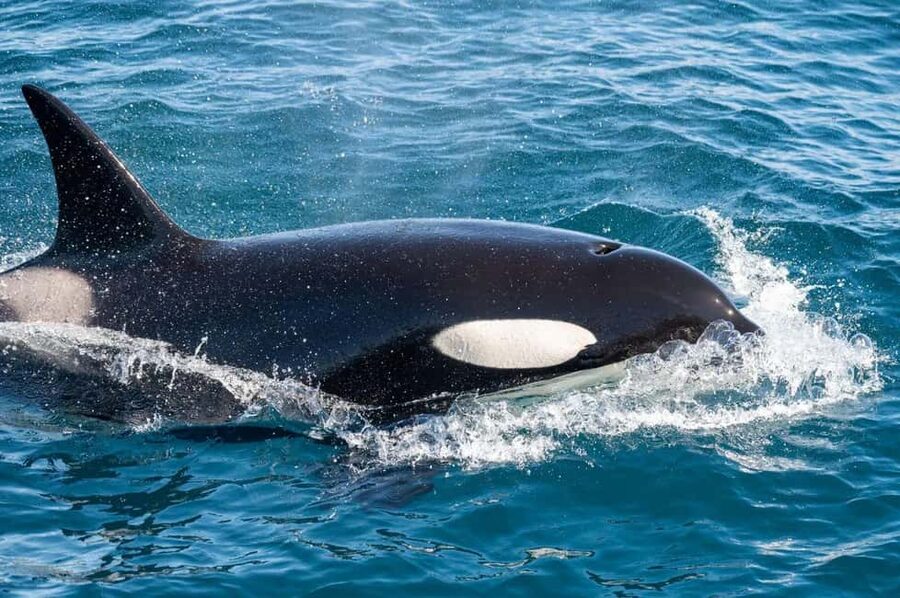
The best part of the Whale Pass policy is simple: if no whales or dolphins are seen during your tour, you’ll receive a free rebooking under the Whale Pass policy. It’s subject to availability, so it’s not an automatic guarantee for the exact same day, but it removes the biggest fear many people have with whale watching.
This matters because Arctic wildlife can be unpredictable. Even with expert tracking, the sea can be slow, animals may be elsewhere, and weather can limit how far you can comfortably travel. Knowing you can try again without paying twice makes the whole decision feel less risky.
If you have flexibility in your schedule, this policy gives you breathing room to enjoy the experience without constantly staring at the water like it owes you a whale.
Price and Value: Is 183 USD Fair for Northern Norway?
At about $183 per person, this whale watching trip isn’t a budget snack. But in Andenes, the price starts to make sense when you look at what’s included.
You’re paying for:
- guided wildlife searching with marine biologists and local experts
- a catamaran-style boat designed for stability and viewing
- an outdoor viewing deck plus heated indoor seating
- a light hot meal and warm drinks
- safety equipment including life vests
- the Whale Pass rebooking safety net if whales or dolphins are not seen
The Arctic setting also adds real operational cost: cold weather gear expectations, weather-dependent departures, and the risk of rescheduling when safety requires it. In that context, the meal and heated cabin are not extras, they’re part of staying functional out there.
If you want a meaningful wildlife experience with expert guidance, the value is strongest when you come prepared for cold and motion. If you’re likely to bail early due to discomfort, the price will feel sharper.
Weather, Seasickness, and What to Pack Like a Pro
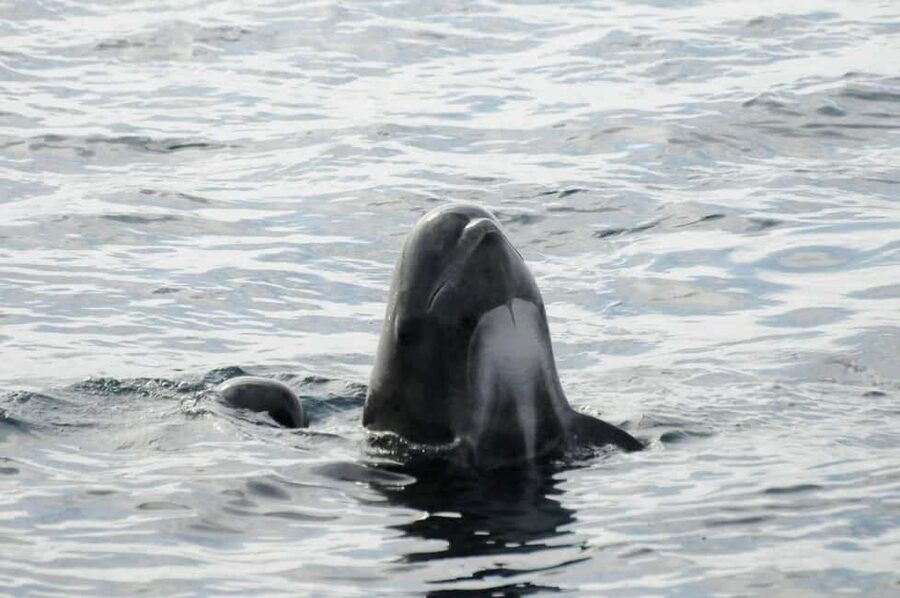
Weather changes fast in Northern Norway. The tour is weather-dependent and may be canceled or rescheduled on short notice for safety reasons. That’s not a trick. It’s how you protect passengers and still keep the operation consistent.
For clothing, go heavy on layers and waterproofs. Bring warm clothing, a hat, rain gear, gloves, and thermal clothing. Waterproof shoes help, especially if there’s spray.
Also pack practical tools:
- binoculars for scanning
- rain gear for wind and mist
- waterproof clothing, not just warm clothing
And don’t ignore motion. Guests prone to seasickness are strongly advised to take preventive medication before departure. Personal seasickness medication is not included, so if you need it, bring your own.
Who This Tour Fits Best, and Who Should Skip It
This trip is family-friendly and works well for nature lovers and photographers, as long as everyone in the group can handle cold conditions and a few hours on the water.
It is not suitable for:
- pregnant women
- people with mobility impairments
- people prone to seasickness
- babies under 1 year
If you’re traveling with a wheelchair or service animal, you should notify the operator in advance. That’s different from the general suitability rules, so it’s worth contacting them early to confirm what can be supported for your situation.
This tour is also a good fit if you like guided wildlife explanations. Even if your English is only okay, you can still enjoy the search process, the seabirds, and the moments when whales surface close enough to change your breathing.
A Quick Note on English and Guide Speed
The tour guide is English-speaking, and for most people that’s plenty. But one practical thing to know is that at least one guide can speak very fast in English. If you want the details, come ready to ask questions, and don’t be shy about saying you need something repeated more slowly.
Even if you catch only half the explanation, the guide’s job is still to help you spot animals safely and responsibly. Just don’t plan on a casual conversation if you need slower pacing.
Should You Book This Andenes Whale Safari?
Book it if you want a classic Arctic whale watching outing with real expert guidance, heated comfort, and a chance to see sperm whales, orcas, dolphins, and seabirds. The combination of an outdoor deck for sightings and a warm cabin for recovery is a big quality-of-life upgrade in cold weather.
Consider skipping or choosing a different option if:
- you’re prone to seasickness
- you’re pregnant
- mobility is an issue
- your baby is under 1 year
Also, if you know English will be a challenge, go with realistic expectations. You’ll still get the sighting-focused experience, but the fine details may fly by when the guide is in full momentum.
If you can handle cold and you’re okay with weather-driven variability, this is a strong pick for Andenes. And with Whale Pass in your back pocket, you get a second shot if the sea is quiet that day.
FAQ
How long is the whale watching tour?
The tour runs about 3-5 hours, and the experience is commonly listed as around 4 hours depending on wildlife activity and sea conditions.
Where do I meet for the tour?
Meet at the black reception container beside the large red harbor buildings at Andenes Harbor. It’s near the Andenes-Gryllefjord (Senja) ferry.
What marine animals might I see?
You may see sperm whales, orcas, dolphins, and seabirds such as puffins and sea eagles, depending on the day’s conditions and whale activity.
Is food included during the trip?
Yes. You’ll have hot soup, fresh bread, tea, coffee, and biscuits served onboard in a heated indoor cabin.
What is Whale Pass?
If no whales or dolphins are seen during your tour, Whale Pass allows you to rebook for free under the policy, subject to availability.
Is the tour guided, and is English available?
Yes. There is a live tour guide, and the tour is in English.
What should I bring?
Bring warm clothing, a hat, rain gear, gloves, binoculars, waterproof shoes, thermal clothing, and motion sickness prevention if you need it.
What is not allowed on the boat?
Oversize luggage, smoking, drones, touching marine life, and intoxication or alcohol and drugs are not allowed.
Deck Hours North
- From Bergen: The Original Fjord Cruise to Mostraumen★ 4.7 · 8,440 reviews
- Stavanger: Electric Fjord Cruise to Lysefjord & Preikestolen★ 4.6 · 8,385 reviews
- Oslo: Oslo Fjord Sightseeing Cruise by Sailing Ship★ 4.5 · 5,790 reviews
- Oslo: Scenic Fjord Cruise with Audio Guide Commentary★ 4.5 · 5,375 reviews
Whales in the Sounds
- Tromsø Whale Safari with MS Gabriele★ 4.3 · 1,937 reviews
- From Tromso: Whale Watching in Magic Skjervoy★ 4.7 · 1,207 reviews
- Silent Whale Watching by Hybrid-Electric Boat from Tromsø★ 4.5 · 1,017 reviews
- Bleik: Whale Watching by Speedboat with Puffins and Muffins★ 4.7 · 326 reviews
Whale Watching, compared.
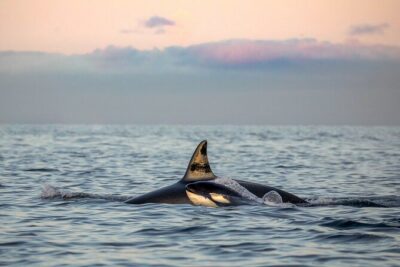
Silent Whale Watching by Hybrid-Electric Boat from Tromsø
Read our review →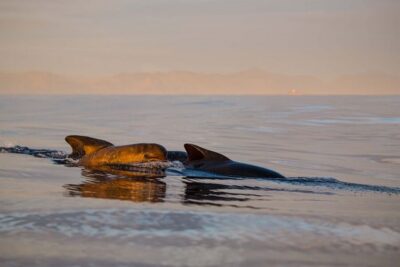
Bleik: Whale Watching by Speedboat with Puffins and Muffins
Read our review →
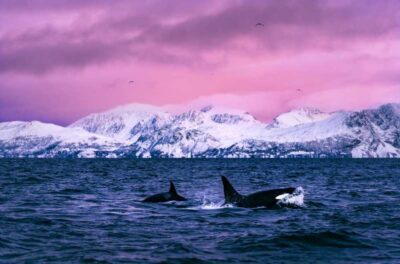

24hr Northern Lights & Whale Watching Cruise
Read our review →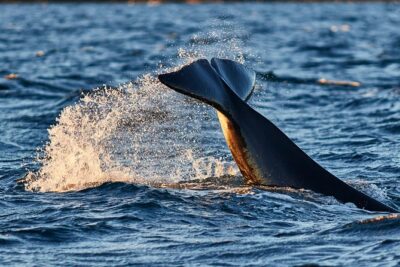
Whale Watching RIB Boat Tour in Skjervoy from Tromso
Read our review →Browse the lists this tour appears in