
Reviewed · 2-DAY EXPERIENCES
2 Day Guided Snowkite Course in Hardangervidda
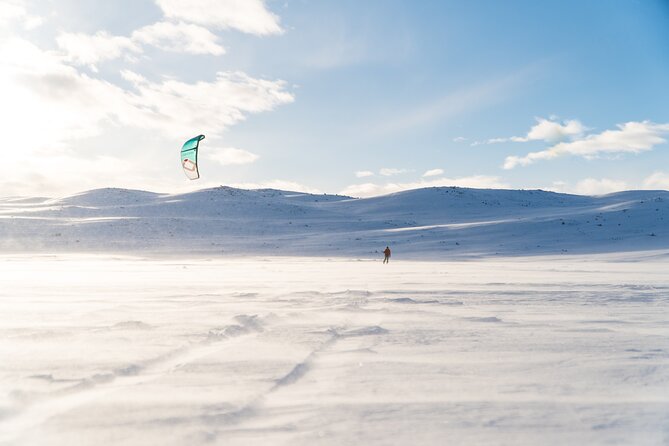
A frozen plateau and a kite in your hands. This 2-day guided snowkite course in Norway is built for fast progress on Hardangervidda National Park, with you learning how to handle the kite yourself, not just ride along. I love that you get all the kiting gear provided, and I love the focus on independent kite control by day two.
You’ll spend the days rotating through the best snowkiting spots around the plateau, so the training stays practical and tied to real conditions. From rigging to flying, you’re working on skills you can use again, not just doing a one-off show.
One thing to think about before you book: you need to bring your own skis or snowboard. Outerwear and food are also not included, so pack smart or plan to rent skis nearby in Geilo.
In This Review
- Key highlights you should care about
- Hardangervidda Snowkiting: Why This Place Feels Like a Shortcut to Skill
- The First Day: Setup, Safety, and Getting Your Kite Working for You
- The Second Day: Real Flying on the Plateau, Not Just Practice Loops
- Indoor Theory in One Hour: The Stuff You Need Before Your First Pull
- Gear, Skis, and Clothing: What’s Included and What You Must Bring
- Meeting in Haugastøl and Moving to the Best Snowkite Spots
- Who This Course Fits Best, and Who Should Think Twice
- Price and Value: Why $426.55 Can Be a Smart Winter Deal
- Real Progress, Real Feedback: What Makes the Teaching Work
- Should You Book This 2-Day Guided Snowkite Course?
- FAQ
- How long is the snowkite course in Hardangervidda?
- Where does the course start and end?
- What is included in the snowkiting course price?
- Do I need to bring my own skis or snowboard?
- Is outerwear or winter clothing provided?
- Is food, water, or accommodation included?
- Can I cancel for free?
Key highlights you should care about
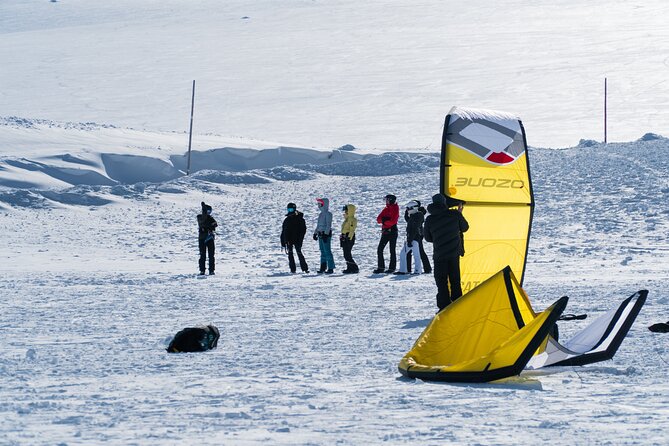
- Gear included: kite, harness, bar, pump, so you can travel lighter.
- Hour of indoor theory before you hit the snow.
- Small groups up to 6 for more attention and quicker feedback.
- You rig your own kite and aim for independent flying by the end.
- Hardangervidda spots, not just one field so practice matches real terrain and wind.
Hardangervidda Snowkiting: Why This Place Feels Like a Shortcut to Skill
Hardangervidda National Park is a huge, open highland, and that matters for learning. Snowkiting works best when you can find the right wind and a safe, wide area to practice steering and stopping. This course is designed to take you to the best snowkiting spots across the plateau, so you spend your effort on flying, not guessing where conditions will work.
What I like about that approach is it keeps the learning honest. You’re not just doing the same move over and over in one tiny lane. You’re learning how your kite reacts across typical plateau conditions, then applying that to new sections as the group moves.
The other big win is the promise of scale. The course is described as suitable for people from about age 9 up to 70+. That tells you the teaching style is meant to be adjustable, with technique breaking down in a way that can fit different bodies and comfort levels. If you can ski or snowboard with some basic control, you’re set up to progress faster.
Still, open highland means weather is part of the deal. You can get great sessions, but you’re also in a place where wind and temperature can change what you do on the day.
The First Day: Setup, Safety, and Getting Your Kite Working for You
Day one is where you get your hands on the full system and stop treating the kite like a mystery. The goal is simple: by the end of the 2 days, you’re independent. That means you’re not just riding. You’re building the routine of rigging and flying with confidence.
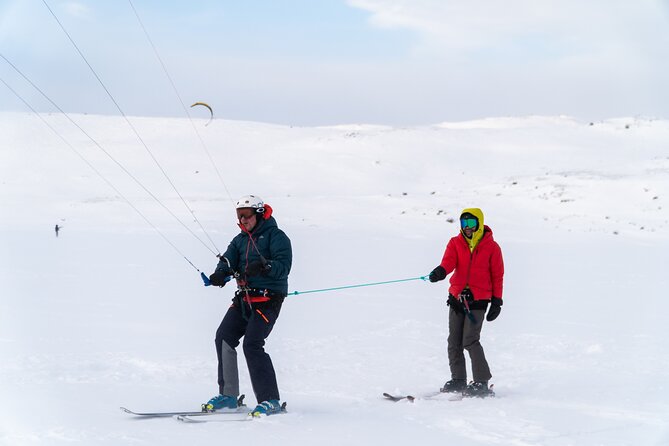
Expect to start with the basics and then move quickly into hands-on work. You’ll practice getting everything set up in a way that lets you control power without overcorrecting. For snowkiting, that’s the difference between fun and frustration. If you can read how the kite pulls, you can steer calmly instead of panicking when it gets stronger.
Another practical element is that the instruction is guided and structured, not free-for-all. The course is max 6 travelers, so you should be able to get targeted corrections. In a sport with lots of small variables, that kind of feedback can save you hours.
By the time day one wraps, you should feel like you understand your kite and harness as tools, not gear you’re hoping won’t bite you.
Where the path branches next in Norway
The Second Day: Real Flying on the Plateau, Not Just Practice Loops
Day two is about turning the pieces into a working skill. The course is planned so you can kite around the plateau of Hardangervidda and keep control as conditions and terrain change. In plain terms, you should be moving beyond short, cautious attempts and into longer, more “I can actually do this” sessions.
This is where the course’s stated progression goal matters. The information provided notes that many people learn to kite on skis within about 5 to 6 hours, depending on conditions, and then spend the rest of the course having fun. That aligns with how snowkiting usually works: once your brain stops fighting the steering and power timing, the sport becomes playful fast.
You’ll likely focus on refining:
- how you control direction
- how you manage speed and pull
- how you reposition on the snow so you’re not always fighting the same angles
The end result you want is independence. You’re learning the full routine, including rigging your own kite, not just following commands.
Indoor Theory in One Hour: The Stuff You Need Before Your First Pull
A solid hour of theory happens indoors before you go out into the snow. That’s not just a “check the box” lesson. It helps you understand what you’re about to do so your first flights turn into learning instead of confusion.
This kind of theory typically covers the fundamentals you need to safely operate the kite system, plus the key cause-and-effect moments. When you know what changes in the kite setup and bar inputs mean, the snow part stops being random. You start connecting what you feel to what you do.
And there’s a human side here too. Past students highlighted an instructor named Valentin from Vindskolen as calm, helpful, and eager to answer questions. That fits the best way to learn theory: you ask, you clarify, and you leave ready to translate the lesson to real snow.
If you’re the type who learns best by doing, the theory still helps. It’s quick, structured, and aimed at getting you outside.
Gear, Skis, and Clothing: What’s Included and What You Must Bring
This course includes all the kiting gear: kite, harness, bar, and pump. That’s a big value point because snowkiting equipment is bulky and pricey. If you can arrive with just your personal winter setup, you’ll save money and avoid hauling extra gear across borders.
Here’s what you bring:
- your own skis or snowboard (rentals are not provided by the course)
- appropriate winter outerwear and winter clothing (outerwear is not included)
- food, water, and snacks (not included)
If you don’t want to bring skis, there’s an option to rent gear in the nearby city of Geilo. That’s a practical detail worth planning around early, because the wrong gear for your boot bindings or ski width can slow you down.
My advice: treat clothing like part of the equipment. Snowkiting is active, but you also spend time setting up, walking on snow, and catching breath between sessions. If you’re under-dressed, you’ll feel it faster than you would on a normal downhill day.
Still ahead on the route through Norway:
- Tromsø: Fjords Tour
★ 4.9 · 541 reviews - White Water Rafting Adventure in Dagali – level 2
★ 5.0 · 96 reviews - The North Cape, Reindeer and Sami Families Tour
★ 3.5 · 95 reviews - RIB Speed Sightseeing in Kristiansand
★ 5.0 · 72 reviews
Meeting in Haugastøl and Moving to the Best Snowkite Spots
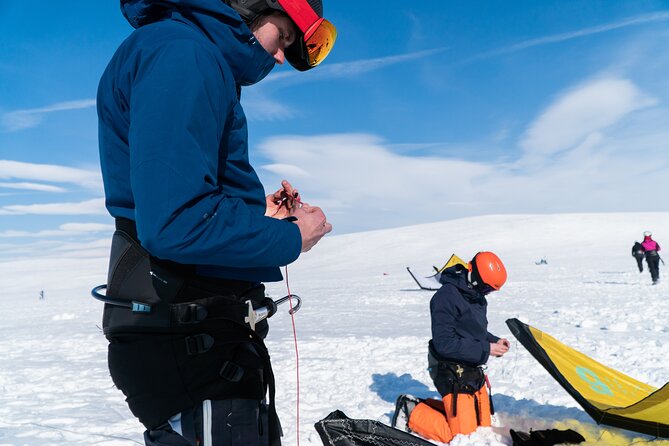
The course starts in Haugastøl at Haugastølvegen 200 (about 1,000 m altitude). The activity ends back at the meeting point, so you’re not stuck with a complicated end-of-day logistics puzzle.
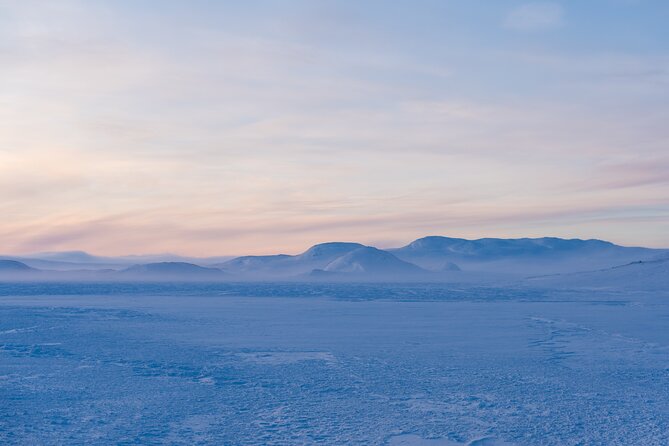
The bigger story is that you’re not stuck with one snow area. The course is described as taking you to the best snowkiting spots during the training, exploring different parts of Hardangervidda National Park around the plateau. That matters because wind and safety zones can change, even on the same trip.
Also, because the group is capped at 6 travelers, the instructor can adjust pace and spot choice more easily. In a sport where everyone’s body position and kite handling affects the flow, small group size helps keep the session smooth.
Who This Course Fits Best, and Who Should Think Twice
This course is built for a wide age range, roughly 9 to 70+, and that suggests the teaching method is adaptable. If you have moderate physical fitness, you should be fine. Snowkiting does ask for some leg work, core control, and the ability to handle cold plus active movement.
You’ll progress faster if you already have skiing or snowboarding experience, because balance and edge control transfer well to kite power management. The provided information specifically notes snowkiting can be fairly easy to learn especially if you’ve done skiing or snowboarding before.
Where you should think twice:
- If you’re very sensitive to cold and don’t have solid winter clothing, you may not enjoy the slower setup moments.
- If you don’t have a way to get skis or a board, the “bring your own” requirement can be a hassle.
If your goal is to leave with real independence, this course fits. If your goal is purely sightseeing with zero effort, this is probably not that.
Price and Value: Why $426.55 Can Be a Smart Winter Deal
At $426.55 per person for about 2 days, the price can feel high at first glance. But most of the key cost drivers are included: kite, harness, bar, and pump plus guided instruction and a theory session.
The value equation looks like this:
- You’re paying for instruction time and coaching
- You’re also paying for equipment handling and safety guidance
- You avoid renting or buying a full set of kiting gear
What’s not included is what you might expect: skis or a snowboard, outerwear, food, water, snacks, and accommodation. That means the final trip cost depends on what you already own and how you travel.
If you’re already equipped with skis or a board and you pack winter layers, this course can be a straightforward win. If you still need rentals and clothing, factor those extra costs before you commit.
In short, the price makes most sense when you want structured learning, not just a ride.
Real Progress, Real Feedback: What Makes the Teaching Work
The standout theme in the course description and the instructor feedback is that students can progress fast. One shared takeaway was that someone was blasting around frozen lakes within hours. That’s the kind of momentum you hope for in a sport that looks advanced from the shore.
A big part of that comes from two course decisions:
- you learn to become independent, including rigging
- you move through the skills in a planned progression over 2 days
The mention of Valentin as a superb instructor matters too. Students described him as chilled, super helpful, and very knowledgeable while also answering questions ahead of the 2-day course. Even if your learning style is different, that approach is ideal: you’re calm, you understand the system, and you get fixes you can use immediately.
And because the group is small, you’re less likely to feel like a number. In snow sports, that’s often the difference between learning quickly and dragging yourself through day after day.
Should You Book This 2-Day Guided Snowkite Course?
If you want a true learning experience and you’re okay with bringing your own skis or snowboard, I think this is a strong book. The course is set up for rapid skill growth, with gear provided and an hour of indoor theory that helps you hit the snow ready to learn.
Book it if:
- you want to fly a kite yourself, not just watch
- you have at least some skiing or snowboarding experience
- you like structured coaching with a small group
- you want a once-in-a-lifetime winter activity in Hardangervidda
Skip it or plan carefully if:
- you don’t know how you’ll handle skis or a board (rent in Geilo is an option)
- you’re missing proper winter clothing, since outerwear is not included
- you prefer easy, low-effort tours
If you’re in the sweet spot, you’ll likely leave with more than photos. You’ll leave with a skill.
FAQ
How long is the snowkite course in Hardangervidda?
The course runs for 2 days (approx.).
Where does the course start and end?
The meeting point is in Haugastøl at Haugastølvegen 200, 3595 Haugastøl, Norway, and the activity ends back at the same meeting point.
What is included in the snowkiting course price?
All kiting gear is included, including the kite, harness, bar, and pump. The course also includes an indoor theory session.
Do I need to bring my own skis or snowboard?
Yes. Skis and a snowboard are not included, so you must bring your own skis or snowboard. You can rent gear in Geilo.
Is outerwear or winter clothing provided?
No. Outerwear and winter clothes are not included, so you will need to bring appropriate winter gear.
Is food, water, or accommodation included?
No. Food, water, snacks, and accommodation are not included.
Can I cancel for free?
Yes. You can cancel up to 24 hours in advance for a full refund, and cancellation is free under the policy described.
Newly marked on the map for Norway
- The Southern Norwegian Winter Wonderland Experience★ 5.0 · 1 review
- Guided Tour – Meet Reindeer in Hammerfest★ 5.0 · 1 review
- Honningsvåg Hiking Tour Arctic Ocean Views from Mountains★ 5.0 · 1 review
- Shore Excursion Half Day Kristiansand Tour★ 3.0 · 1 review
- From Tromso Lyngen Alps Guided Snowmobile Tour afternoon★ 5.0 · 1 review
- Honningsvåg: North Cape ATV Tour with Guide★ 5.0 · 1 review
- Aurora Crystal Lavvo Overnight stay with snowmobile trip★ 5.0 · 1 review
- North Cape and Sami Adventure Guided Minivan Tour with Entrance★ 5.0 · 1 review
2-Day Experiences, compared.
2-Day Round Trip from Bergen: THE GRAND SOGNEFJORD – fjords, waterfalls, glacier
Read our review →
Discover Besseggen: An inspiring 2-Day Adventure
Read our review →
2-Day Round Trip from Bergen: THE GRAND HARDANGER – fjords, waterfalls, glaciers
Read our review →
Hønefoss: 2-Day Moose Safari in Oslo’s Wilderness
Read our review →
2-Day Adventure with Preikestolen & Kjerag Hikes
Read our review →Browse the lists this tour appears in